UK advisers urge heat limits at work, faster flood and drought defenses
Britain has no legal maximum workplace temperature, even as advisers warn 92% of homes could overheat by 2050. The push reaches hospitals, schools and transit too.

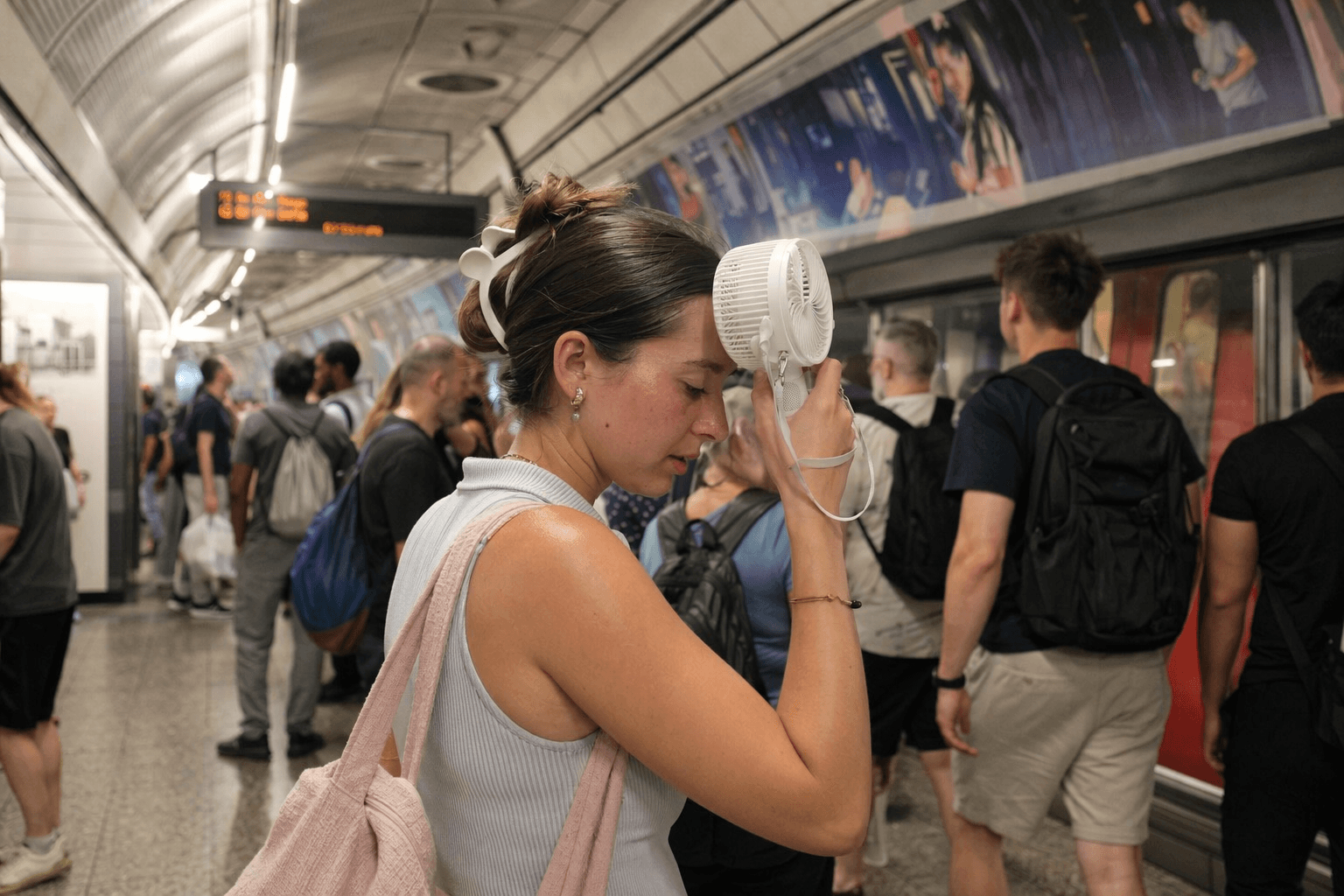
Britain still has no legal maximum workplace temperature, a gap the Climate Change Committee says must be closed as hotter summers strain hospitals, schools and transport systems. The committee urged formal rules for extreme heat at work, saying employers need clearer protections as the country faces a climate that is already putting pressure on public services.
The committee published A Well-Adapted UK, its Fourth Independent Assessment of UK Climate Risk, covering 14 key systems across the United Kingdom. It said the country’s preparations for climate change were inadequate and argued that adaptation now needs measurable targets, clear ownership across government and faster investment in flood defenses, reservoirs, air conditioning and heat pumps for critical services.
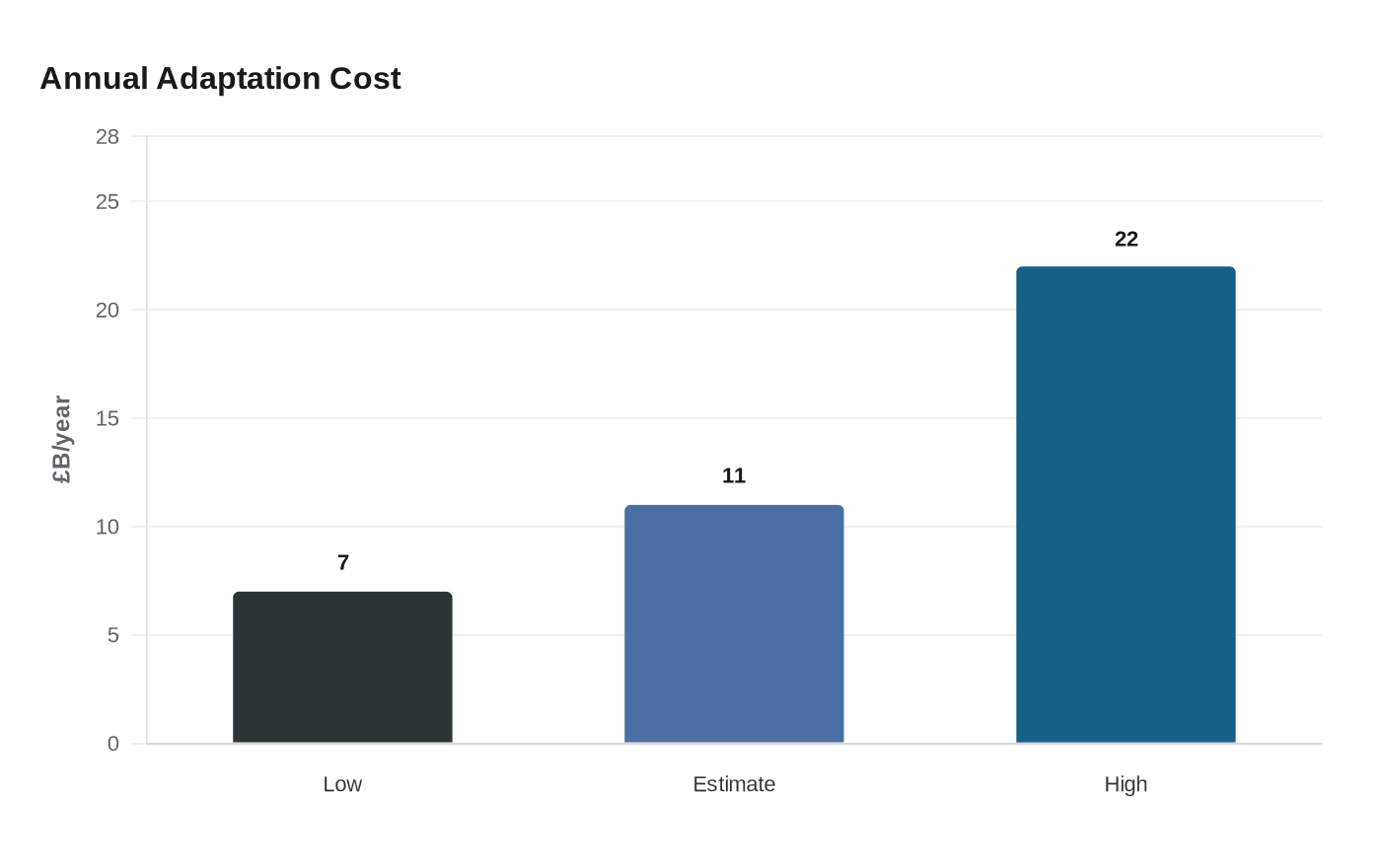
The scale of the response the committee wants is large. Its analysis says the UK would need about £11 billion a year on adaptation, with a range of £7 billion to £22 billion in 2025 prices. It also warns that climate impacts are already costing the country billions a year through flood damage, crop losses, excess deaths, lower productivity and disruption to transport and health services, with the bill set to rise sharply by mid-century.
The headline risks are stark. The CCC says around 92% of homes could overheat by 2050, peak river flows could be up to 45% higher and water supply shortfalls could exceed five billion litres per day. It also said ministers should consider adjusting the school year so pupils are not pushed into major exams during peak summer heat.
The warning lands after the Met Office said 2025 was the UK’s warmest and sunniest year on record, with a mean temperature of 10.09C. The agency said human-induced climate change made that record-breaking annual temperature about 260 times more likely, and it said 2025 was also the warmest summer on record. The UK is warming at about 0.25C per decade, the Met Office said, underlining how quickly what used to be exceptional heat is becoming normal.
The Health and Safety Executive says there is no law setting a minimum or maximum workplace temperature, only a requirement for a reasonable indoor temperature, even though heat stress can become a risk in very hot weather. Usdaw called maximum workplace temperature rules “essential,” while the National Education Union and Greener NHS both pressed for stronger protection for classrooms and health care as extreme heat and flooding become more frequent.
Know something we missed? Have a correction or additional information?
Submit a Tip