UK sends specialist team to Tristan da Cunha over hantavirus case
A specialist team parachuted onto Tristan da Cunha to treat a suspected hantavirus patient tied to a cruise ship cluster that has now reached eight cases across countries.
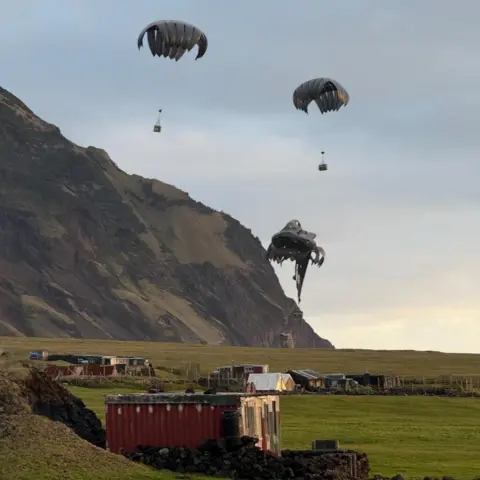
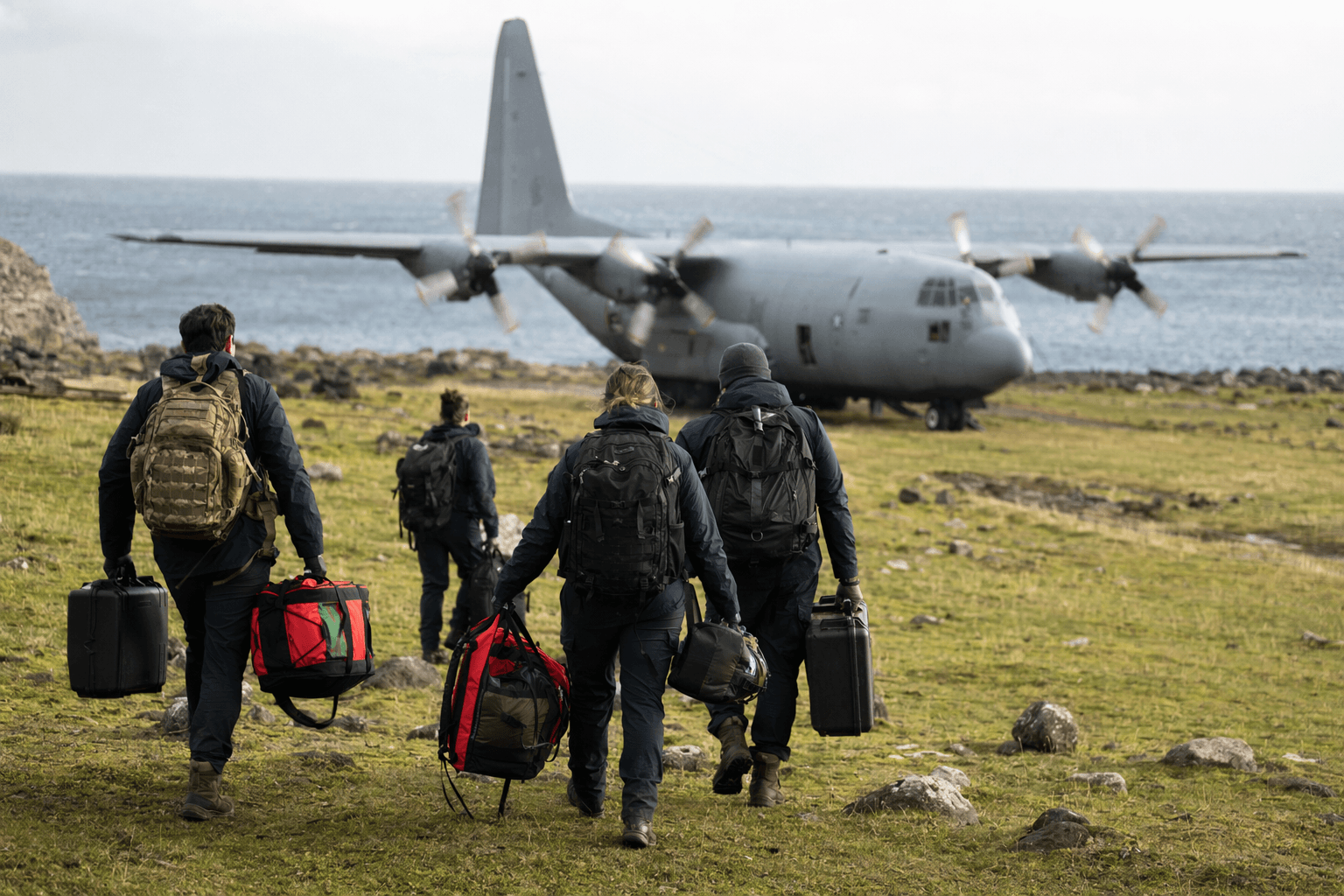
A specialist team was parachuted onto Tristan da Cunha to treat a suspected hantavirus patient, a stark reminder of how outbreak response changes when a remote island sits beyond the reach of ordinary medical evacuation. The patient is the third British national linked to the cruise ship cluster and lives on the island, where health services are now supporting and monitoring them.
The case sits inside a wider international investigation into the Dutch-flagged MV Hondius, which left Ushuaia, Argentina, on 1 April with 147 people from 23 nationalities aboard. The vessel moved through the South Atlantic and Antarctic waters, stopping at Tristan da Cunha, South Georgia, Saint Helena and Ascension Island. Tristan da Cunha’s government said the ship visited from 13 to 15 April and described the development as a serious concern locally, while also saying no cases of the illness had been identified on the island itself.
By 9 May, the UK Health Security Agency said the World Health Organization had confirmed eight cases in all, six confirmed and two suspected, including three British nationals. Two confirmed British cases were in hospital, one in South Africa and one in the Netherlands. British passengers and crew on the ship were being told to isolate for up to 45 days when they return to the UK, and returning British nationals were to be transferred to Arrowe Park Hospital for assessment and testing as a precaution. The UKHSA said the public risk in the UK remained very low.
The World Health Organization said illness onset in the cluster fell between 6 and 28 April, with three deaths and one critically ill patient. It identified the virus as Andes virus, a hantavirus strain that is primarily acquired through contact with infected rodents and can spread person to person only in limited circumstances. WHO and the CDC said investigations, contact tracing and isolation measures were continuing across borders as authorities try to map who was exposed, where and when.
The response has exposed the logistical strain of managing infectious disease far from major hospitals and airports. Tristan da Cunha sits at the sharp edge of that problem: a place where a specialist team had to be brought in by air and where a single suspected case can force a local health system, a British territory administration and national agencies in London and Washington to coordinate at once. The CDC said the risk to the U.S. public was extremely low, but it was working to repatriate American passengers to a specialized medical facility in Nebraska and had sent a team to meet the ship in the Canary Islands.
This article was produced by Prism’s automated news system from verified source data, official records, and press releases, then run through automated quality and moderation checks before publishing. The system is built and supervised by the people who set the standards it runs under. Read our full AI policy.
Did this article answer your question?