UK Terrorism Watchdog Warns Law May Overreach Against Protest
Britain’s terrorism watchdog said laws on serious property damage may be catching protest tactics, as 138 people were charged over support for Palestine Action.
Britain’s terrorism laws may be drifting from security enforcement into the policing of protest, with Jonathan Hall KC warning that the definition now sits too close to activism and civil disobedience. His annual review said the ban on Palestine Action exposed real uncertainty over whether serious damage to property alone should qualify as terrorism.
Hall’s report, The Terrorism Acts in 2024, was published on 29 April 2026 and included a dedicated section on “Serious damage to property.” The contents also examined whether that phrase should be removed altogether from the terrorism definition. Hall wrote the report while anticipating the 2025 proscription of Palestine Action, a signal that the issue had already become a test case for how far the state can stretch counterterrorism powers.
The stakes are concrete. Under UK law, terrorism can include serious damage to property, not only violence against people. That broad wording was central when the government proscribed Palestine Action in July 2025. The Home Office said the group had carried out several attacks involving serious damage to property in pursuit of its political cause and to influence government, arguing that such acts did not amount to legitimate protest.
That logic has since driven a sharp enforcement response. By September 2025, the Crown Prosecution Service said six people had been charged with terrorism offences for arranging public demonstrations or online meetings in support of Palestine Action. By late April 2026, the CPS said 138 people had been charged for showing support for the proscribed group since its ban took effect.
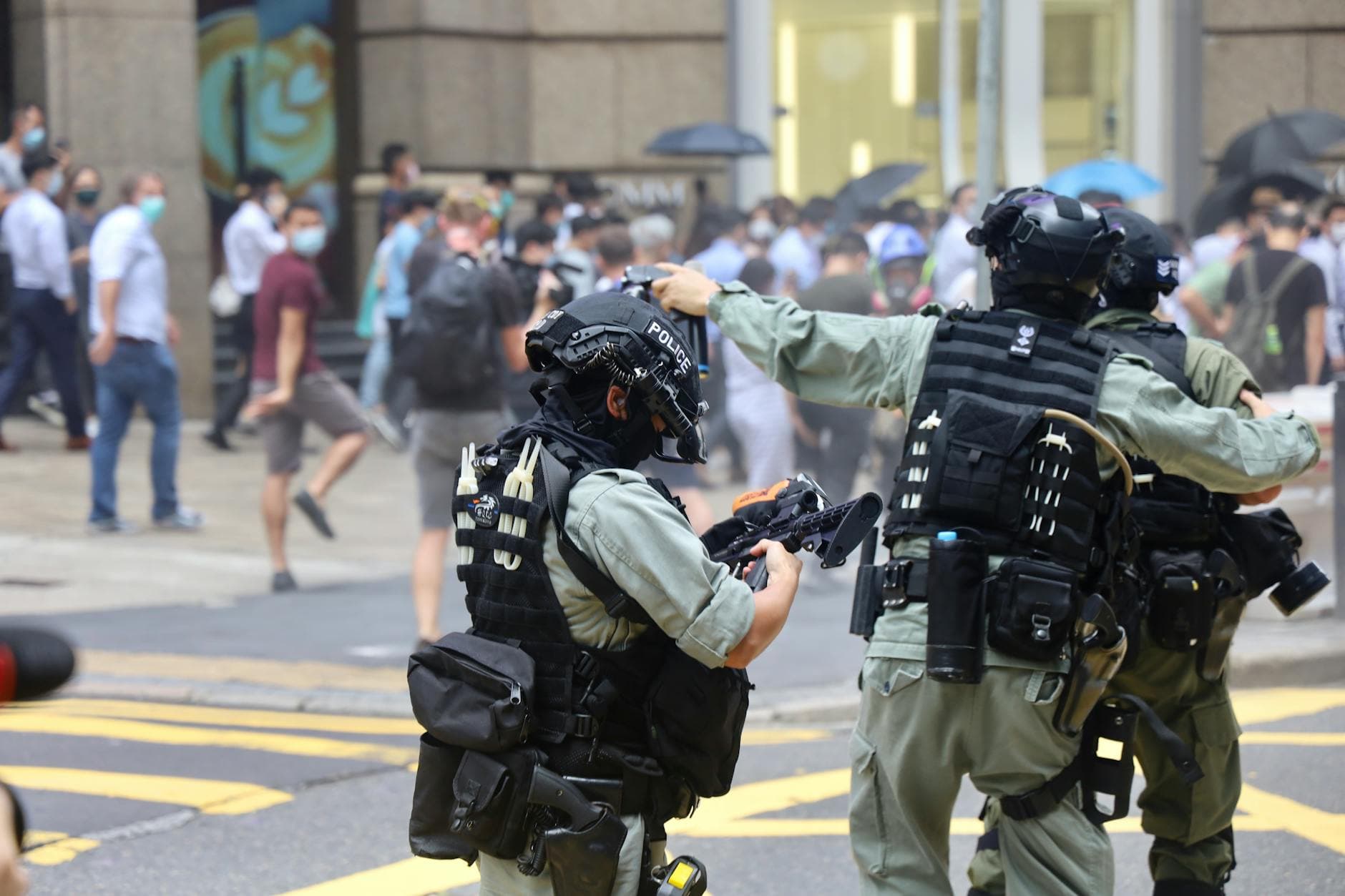
Hall’s warning matters because the line between disruptive protest and terrorism is now being tested in public, not just in court. Britain’s proscription law allows ministers to ban organizations that commit, prepare for, promote, encourage, or are otherwise concerned in terrorism. If serious property damage becomes enough to trigger that machinery, then acts of political sabotage, direct action, and some forms of mass protest could face the same legal treatment as groups built around violence.
The debate goes beyond Palestine Action. It raises a broader question about whether counterterrorism tools are being used in ways that chill speech and make unpopular demonstrations easier to suppress. Hall’s review did not deny the reality of security threats. It pressed a narrower point: once the terrorism framework is applied to activism, the threshold for national-security enforcement becomes a political choice with lasting consequences for free expression and public trust.
This article was produced by Prism’s automated news system from verified source data, official records, and press releases, then run through automated quality and moderation checks before publishing. The system is built and supervised by the people who set the standards it runs under. Read our full AI policy.
Did this article answer your question?

