Ukraine strikes Russian oil sites, deepening Crimea fuel crisis
Ukraine’s oil strikes are squeezing Crimea’s fuel supply, with cash sales halted, coupons frozen and drivers limited to 20 liters a week in Sevastopol.
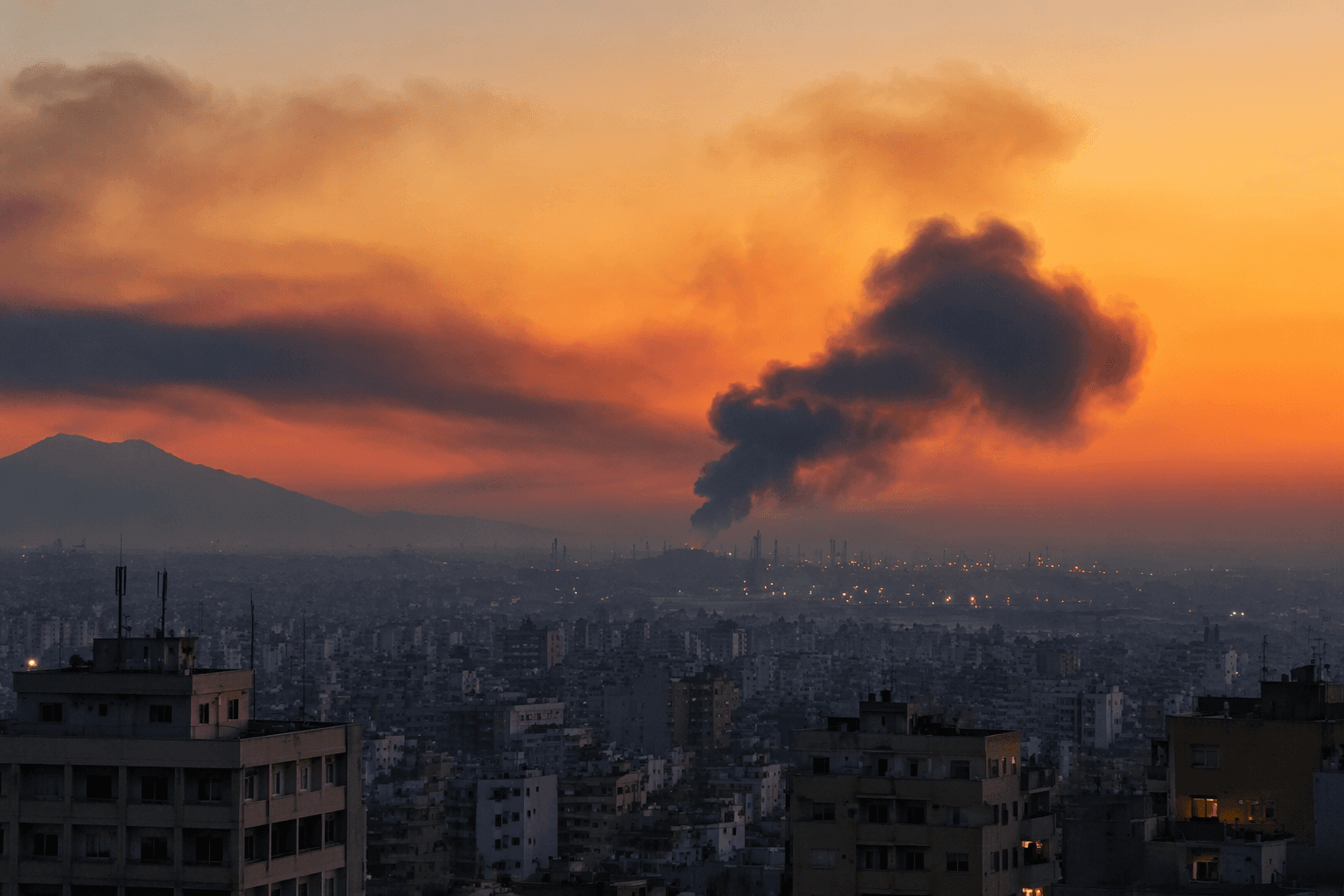
Ukrainian strikes on oil infrastructure are increasingly aimed at Russia’s wallet, not just its battlefield logistics, and the pressure is now hitting occupied Crimea hard. On Monday, Ukrainian and Russian officials said facilities in Russia and Russian-occupied Crimea had been struck, part of a wider campaign to make Moscow pay a higher economic price for the war.
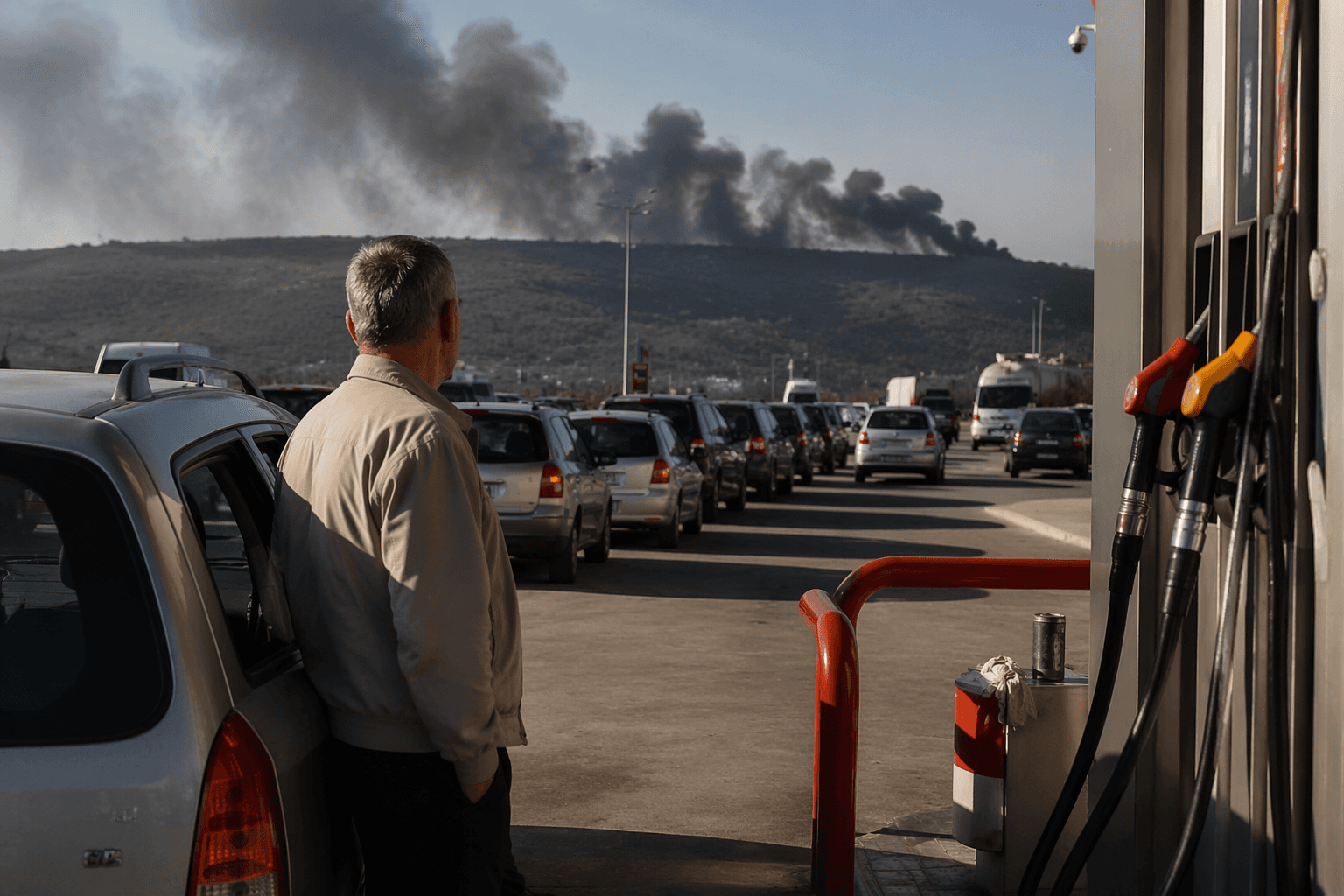
The immediate effect has been visible in Crimea, where fuel access has tightened after earlier drone attacks reduced supply routes. Drivers there were already facing gasoline rationing, and authorities then suspended all cash sales of gasoline and stopped issuing new fuel coupons. Sergei Aksyonov, the Moscow-installed head of Crimea, announced tighter restrictions as the shortage deepened.
In Sevastopol, Kremlin proxy Mikhail Razvozhayev rolled out a QR-code system that reportedly allowed motorists to buy up to 20 liters of gasoline a week. Occupation authorities in Crimea also limited sales of A-95 gasoline to 20 liters per person per day. Ukrainian officials said the strikes have created shortages in Crimea and other occupied areas, putting real strain on daily life in territory Russia has controlled since 2014.
The campaign has not been confined to Crimea. Ukraine also struck the St. Petersburg Oil Terminal on June 3, a facility described as one of Russia’s largest fuel storage and export hubs, with throughput of 12.5 million tons a year. That hit underscored how far the attacks can reach, from occupied southern territory to Russia’s northern commercial infrastructure, and how they can embarrass the Kremlin in places tied to trade and prestige.

Volodymyr Zelenskiy said on June 1 that Ukraine was capable of hitting Russian logistics throughout occupied areas, and the pattern of attacks suggests a deliberate effort to widen the war’s economic front. Ukrainian reporting said that by early May the strikes on Russian oil infrastructure had already cost Russia more than US$7 billion. With nearly daily attacks on oil sites and Western sanctions making crude exports more expensive, the campaign is doing more than signaling resolve. It is forcing Russia to absorb higher costs, complicating fuel distribution and exposing pressure points in a war economy built on energy.
This article was produced by Prism’s automated news system from verified source data, official records, and press releases, then run through automated quality and moderation checks before publishing. The system is built and supervised by the people who set the standards it runs under. Read our full AI policy.
Know something we missed? Have a correction or additional information?
Submit a Tip