UN agencies seek $202 million to shield 8.8 million from El Niño
UN food agencies want $202 million to protect 8.8 million people in 22 countries as El Niño threatens drought, floods and storms.

United Nations food agencies are seeking $202 million to help shield 8.8 million people across 22 high-risk countries from the effects of an expected El Niño later in 2026. The plan from the Food and Agriculture Organization of the United Nations and the World Food Programme is meant to move aid before weather shocks harden into hunger, livestock losses and displacement.
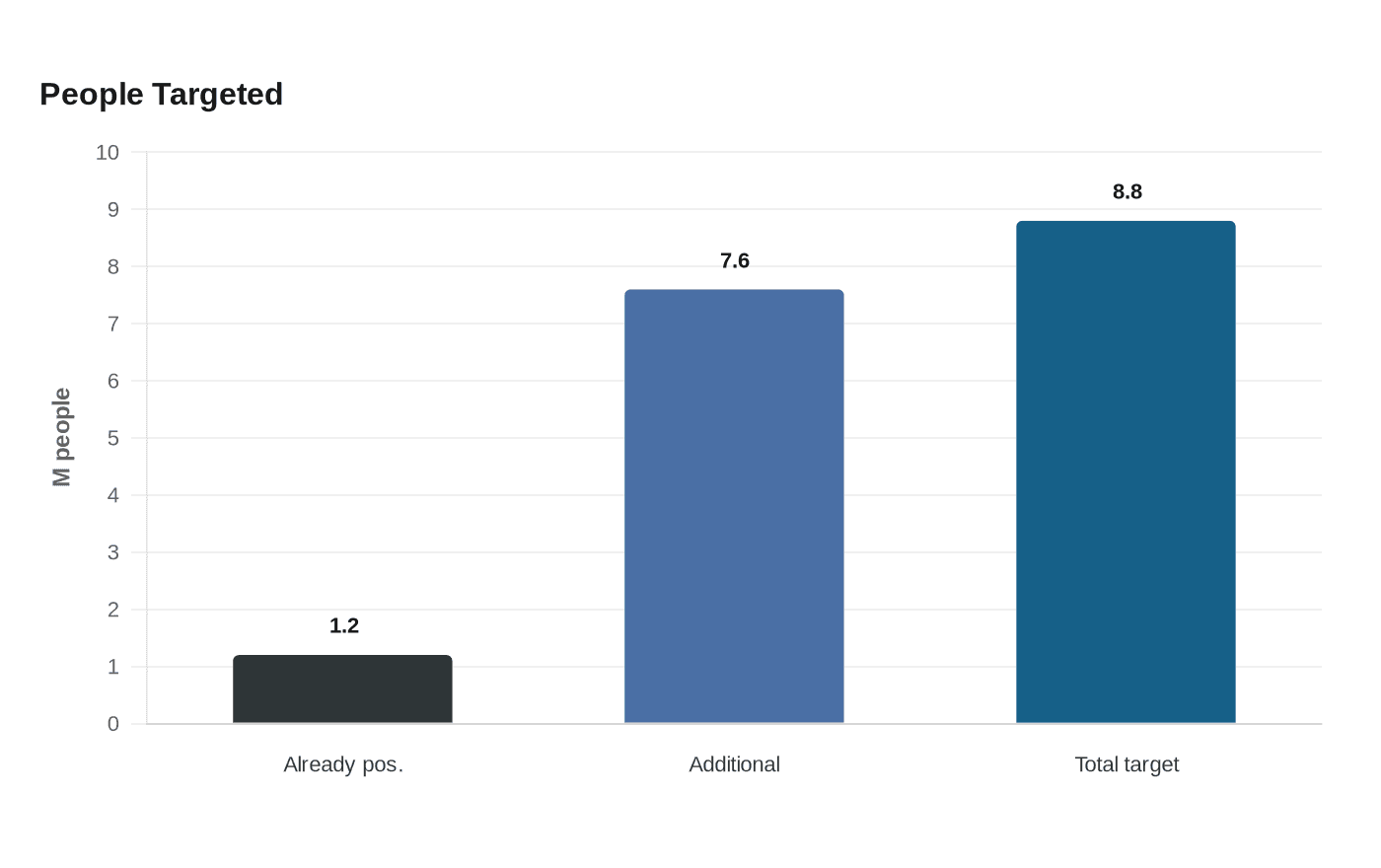
The appeal is the agencies’ first-ever Joint Anticipatory Action Appeal. FAO said the funding would allow it and WFP to expand coverage from the 1.2 million people already positioned for help to a total of 8.8 million, adding support for another 7.6 million people. The package is designed to cover climate shocks expected through 2026 and 2027 and to fund cash transfers, climate-resilient seeds, livestock protection and flood-control measures.
The 22 priority countries are Cameroon, Ethiopia, Kenya, Madagascar, Malawi, Mozambique, Nigeria, Somalia, South Sudan, Sudan, Uganda and Zimbabwe in Africa; Afghanistan, Pakistan, the Philippines and East Timor in Asia-Pacific; and Colombia, El Salvador, Guatemala, Haiti, Honduras and Venezuela in Latin America and the Caribbean. FAO said the appeal comes as humanitarian pressure is already high from conflict, economic instability, displacement and recurring weather shocks.
The push follows an El Niño Advisory issued by the National Oceanic and Atmospheric Administration on June 11, 2026, after El Niño developed in the tropical Pacific. NOAA said there is a 63% chance that sea-surface temperatures will exceed 2.0°C in the Niño region, a level it defines as a very strong El Niño, and said the pattern typically has its strongest global impact during the Northern Hemisphere winter. The concern is that stronger conditions in the second half of the year could raise the risk of drought, floods and storms across Africa, Asia, the Pacific, Latin America and the Caribbean.
FAO said every $1 invested in anticipatory response can generate up to $7 in avoided losses and response costs. Beth Bechdol, FAO’s deputy director-general, said early action is more effective and less costly than waiting until a crisis escalates, and that the challenge is securing financing before trigger thresholds are reached.
The agencies are not starting from scratch. During the 2023–2024 El Niño event, FAO and WFP said they supported more than 3 million people through anticipatory action. FAO said its own actions reached 1.7 million people in 24 countries, while WFP said its anticipatory operations expanded from 4.1 million people in 36 countries in 2023 to more than 6.2 million people in 44 countries in 2024.
This article was produced by Prism’s automated news system from verified source data, official records, and press releases, then run through automated quality and moderation checks before publishing. The system is built and supervised by the people who set the standards it runs under. Read our full AI policy.
Know something we missed? Have a correction or additional information?
Submit a Tip