U.N. chief warns of imminent financial collapse, urges reforms
U.N. chief warns of imminent financial collapse and urges members to pay overdue dues or reform rules.
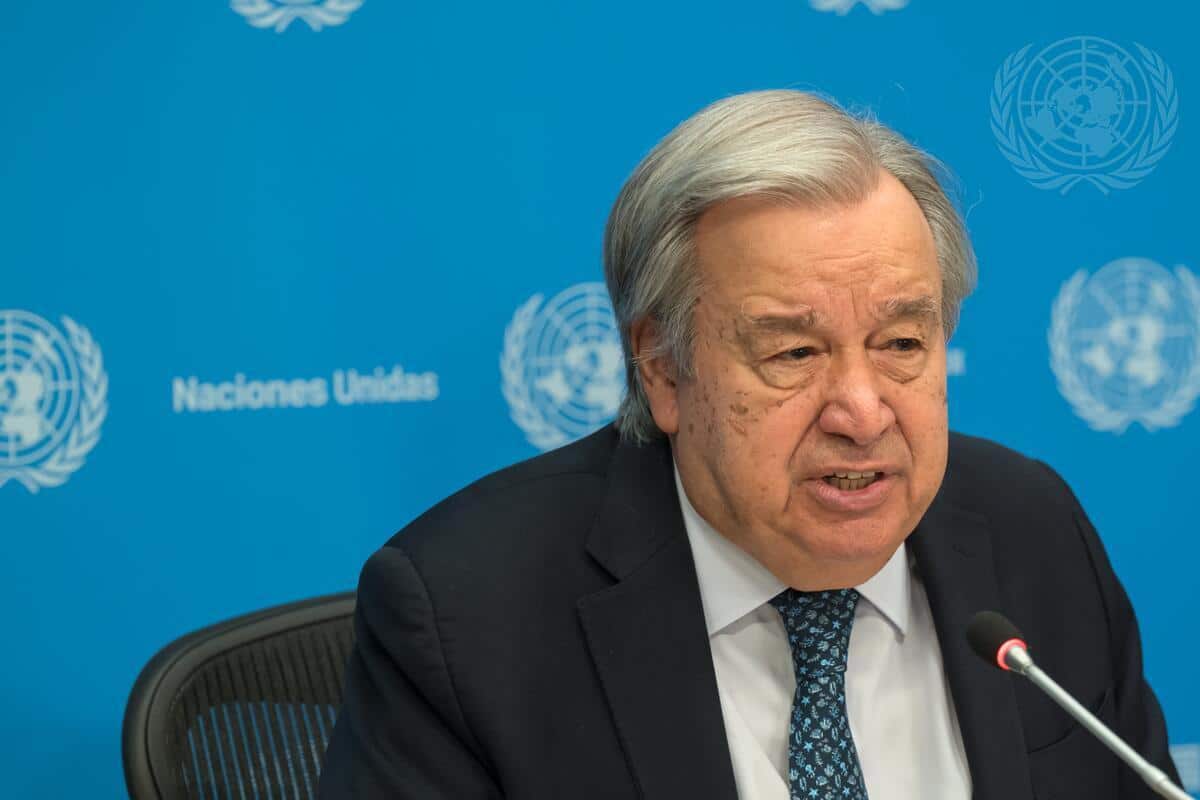
The United Nations is on the brink of what Secretary-General António Guterres described as an "imminent financial collapse" unless member states settle overdue contributions or the organization’s financial rules are overhauled. Guterres cited record outstanding dues for the regular U.N. budget and called for urgent action to prevent an acute liquidity crunch that could disrupt peacekeeping, humanitarian aid and core U.N. operations.
The secretary-general's warning highlights a persistent funding weakness at the world body: assessed contributions are the U.N.'s primary revenue source, and when governments delay payments the organization relies on limited reserves and short-term borrowing. That model has worked in the past only because arrears were episodic; the current build-up of unpaid balances has reached levels that U.N. officials say are unprecedented for the regular budget.
Operationally, the most immediate risks are cash-flow interruptions. The U.N. must meet payroll for international staff, finance missions in fragile states and fund emergency responses to conflicts and climate disasters. A sudden inability to meet these obligations would force program suspensions, delayed disbursements to implementing partners and a scaling back of field operations that depend on predictable funding. For countries that rely on U.N. support for stability and humanitarian assistance, the effects would be swift and tangible.
There are also broader economic and political implications. Reduced U.N. capacity could exacerbate instability in regions where fragile governance and conflict already weigh on markets and supply chains. Investors watch geopolitical risk closely; a visible decline in multinational peace and aid operations can raise risk premia for sovereign and corporate borrowers in affected regions. In addition, the credibility of multilateral problem solving could be damaged at a time when global challenges from climate shocks to migration demand coordinated responses.
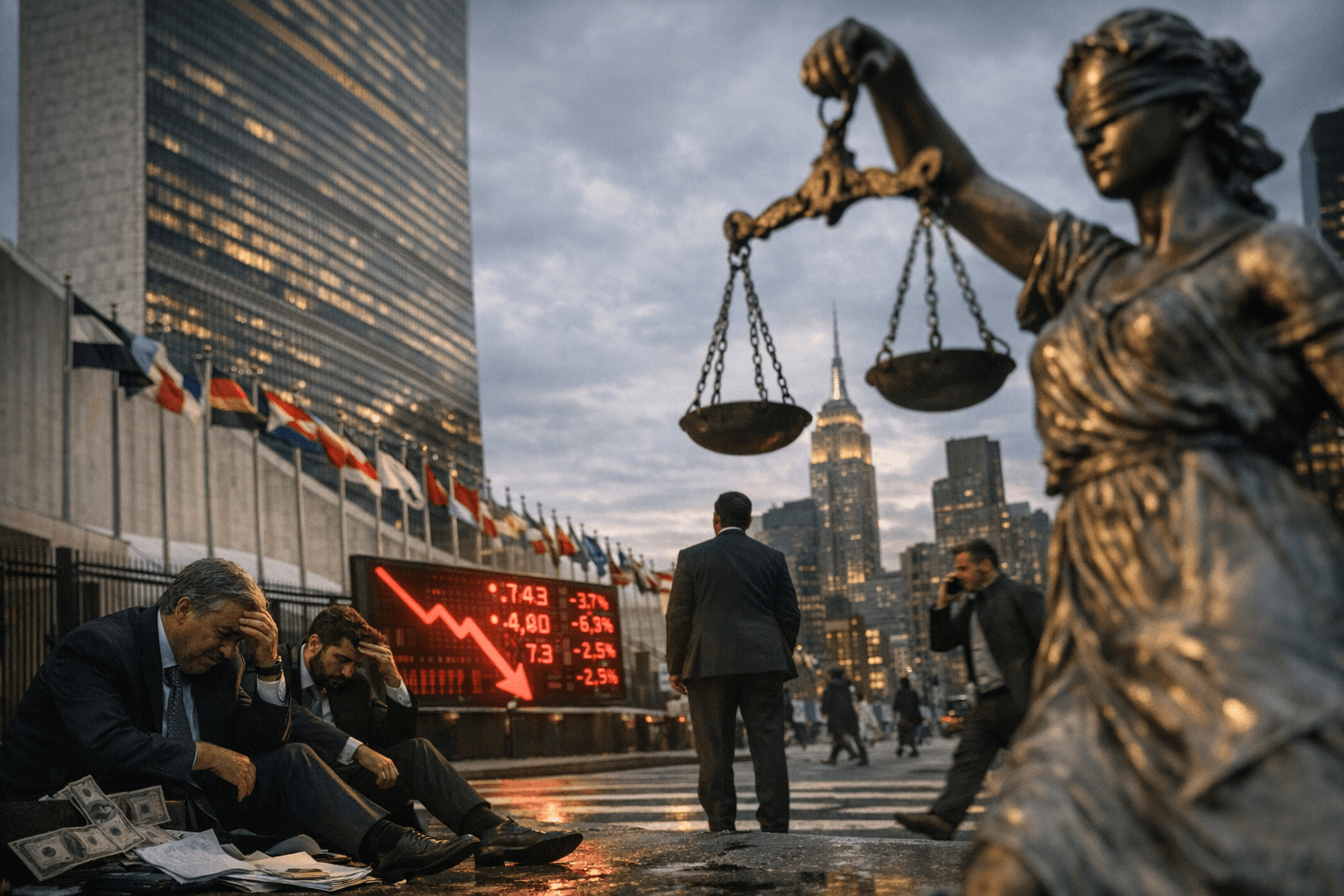
Policy options for addressing the shortfall fall into two categories: immediate liquidity measures and structural reform. In the short term, member states could make emergency payments, provide bridging loans or permit the U.N. to tap existing reserves more freely. Structural fixes include revising the assessment scale that determines how dues are calculated, introducing multi-year funding commitments, creating a contingency financing mechanism, and tightening rules to discourage long-term non-payment.
Each option faces political hurdles. Recalibrating assessments redistributes costs among governments and can provoke disputes about fairness and burden-sharing. New borrowing authority or contingency facilities would require legal and governance changes at the General Assembly, where consensus is often difficult. Meanwhile, member states facing domestic fiscal constraints may resist calls for higher or more timely contributions even as global needs grow.
The secretary-general framed the choice starkly: without prompt payment or rule changes, the organization risks operational disruption. For policymakers and markets, the situation underscores the fragility of institutions that depend on voluntary compliance by sovereigns. How member states respond will determine whether the U.N. can maintain its role as a stabilizing global actor or whether funding shortfalls will force a retrenchment at precisely the moment the world faces rising geopolitical and climate risks.
This article was produced by Prism’s automated news system from verified source data, official records, and press releases, then run through automated quality and moderation checks before publishing. The system is built and supervised by the people who set the standards it runs under. Read our full AI policy.
Did this article answer your question?


