UN nuclear chief says most enriched uranium likely still at Isfahan
Grossi said Iran's 60% enriched uranium was probably still at Isfahan, but the IAEA still could not verify where it was or how much risk remained.
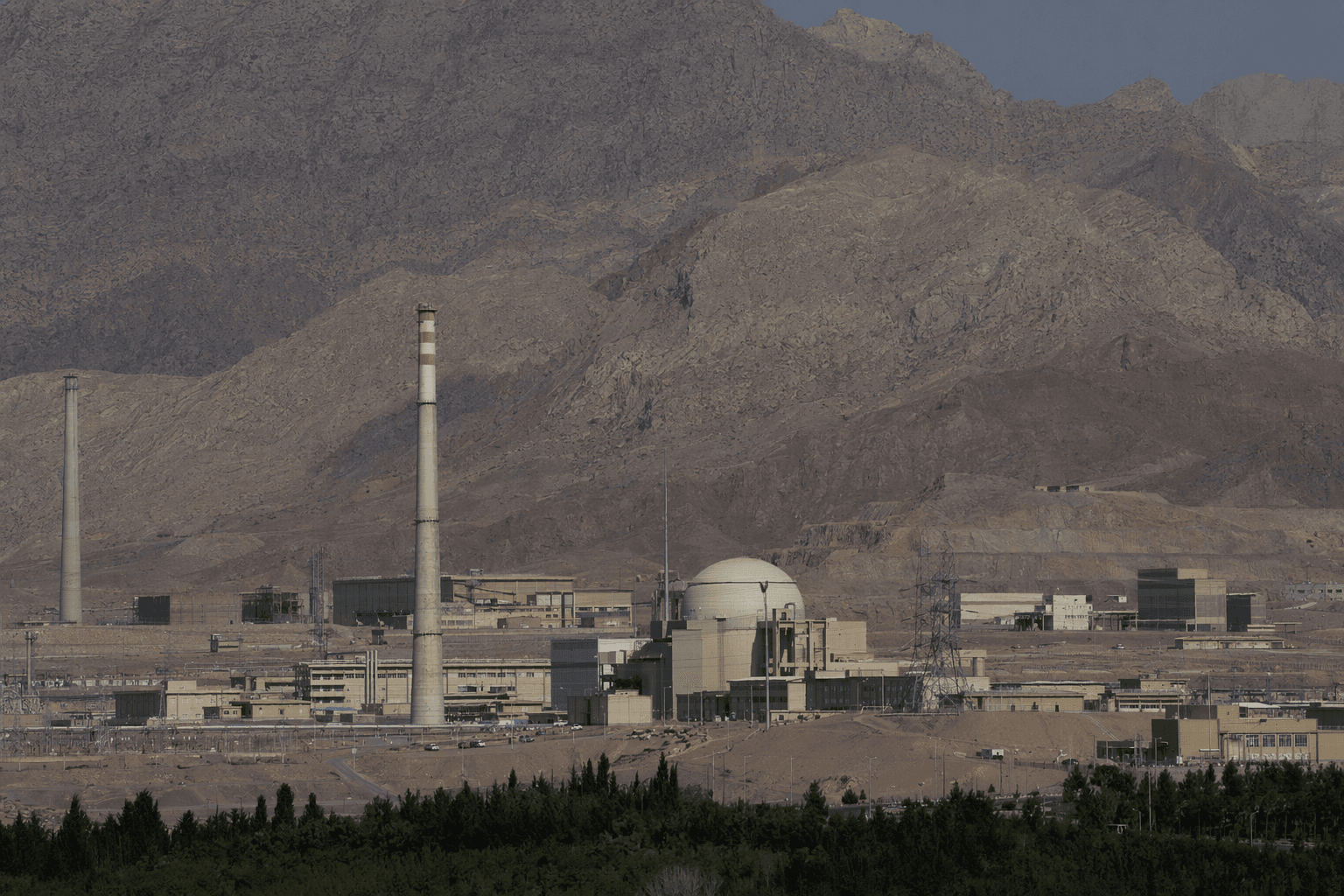
What does “likely still at Isfahan” actually tell us about Iran’s nuclear posture, and what remains unknown? Rafael Grossi’s answer was careful: the International Atomic Energy Agency believes most of Iran’s highly enriched uranium remained at the Isfahan nuclear complex, but inspectors had not been able to confirm its exact condition or placement after the June 2025 strikes.
That distinction matters. Location tells policymakers where the material may be. Enrichment level tells them how dangerous it is. The IAEA last verified Iran’s stock of more than 400 kilograms of uranium enriched to 60% just before the June 13, 2025 airstrikes began, and an agency report put the total at 440.9 kilograms as of that date. Uranium at 60% is far above civilian levels and far closer to weapons usability than reactor fuel, but stockpile size alone is not the same as a bomb. Weaponization would still require other steps, including further enrichment and technical work on a deliverable device.
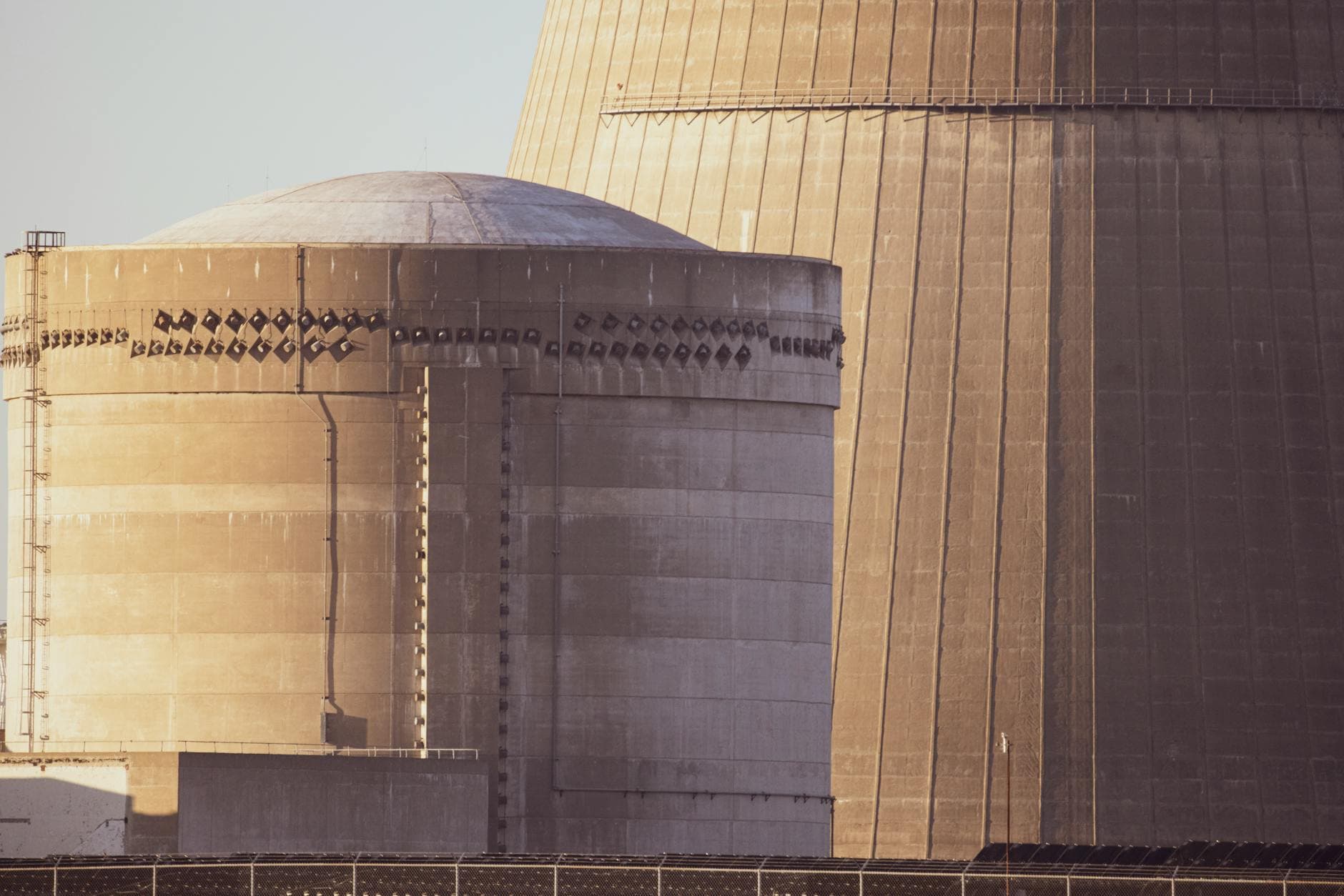
Grossi’s judgment also underscored how much was still hidden from view after the attacks on Esfahan. On June 20, 2025, he told the U.N. Security Council that four buildings at the site had been damaged, the central chemical laboratory, a uranium conversion plant, the Tehran reactor-fuel manufacturing plant, and the enriched uranium metal processing facility under construction. He also said there was no increase in off-site radiation levels. That combination suggested serious damage to infrastructure, but not a clean accounting of Iran’s most sensitive material.
The IAEA said its inspectors remained in Iran throughout the conflict and were ready to resume verification work. Grossi said returning inspectors was essential to account for the uranium stockpiles and establish the facts on the ground. Without that access, the agency cannot tell whether the material stayed in place, was dispersed, or was concealed elsewhere, and each possibility carries a different policy problem for Washington, European capitals and Israel.
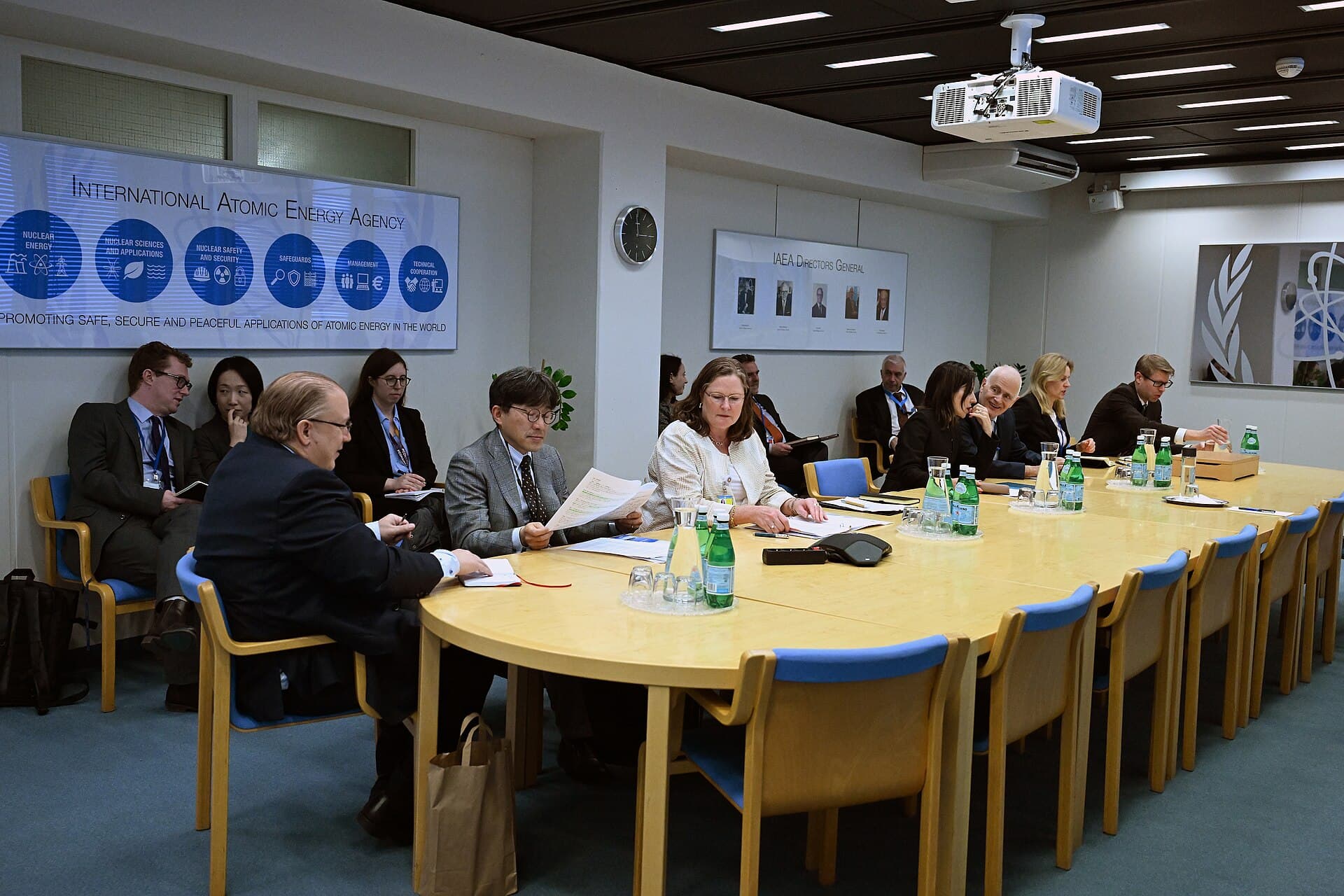
Iran’s parliament moved in the opposite direction on June 25, 2025, approving a suspension of cooperation with the IAEA after the war. That left diplomacy facing the same unresolved question the military campaign did not answer: whether strikes on Isfahan and other nuclear sites slowed Iran’s program, or merely made its most important uranium harder to track. For the U.S. and its allies, the answer shapes the next choice between pressure, renewed inspections, and the risk of another round of force.
This article was produced by Prism’s automated news system from verified source data, official records, and press releases, then run through automated quality and moderation checks before publishing. The system is built and supervised by the people who set the standards it runs under. Read our full AI policy.
Did this article answer your question?


