UN Prepares Final Steps to Implement Historic High-Seas Biodiversity Treaty
The UN's final preparatory session before the High Seas Treaty's first global summit wrapped up Wednesday, with funding and secretariat disputes still unresolved.
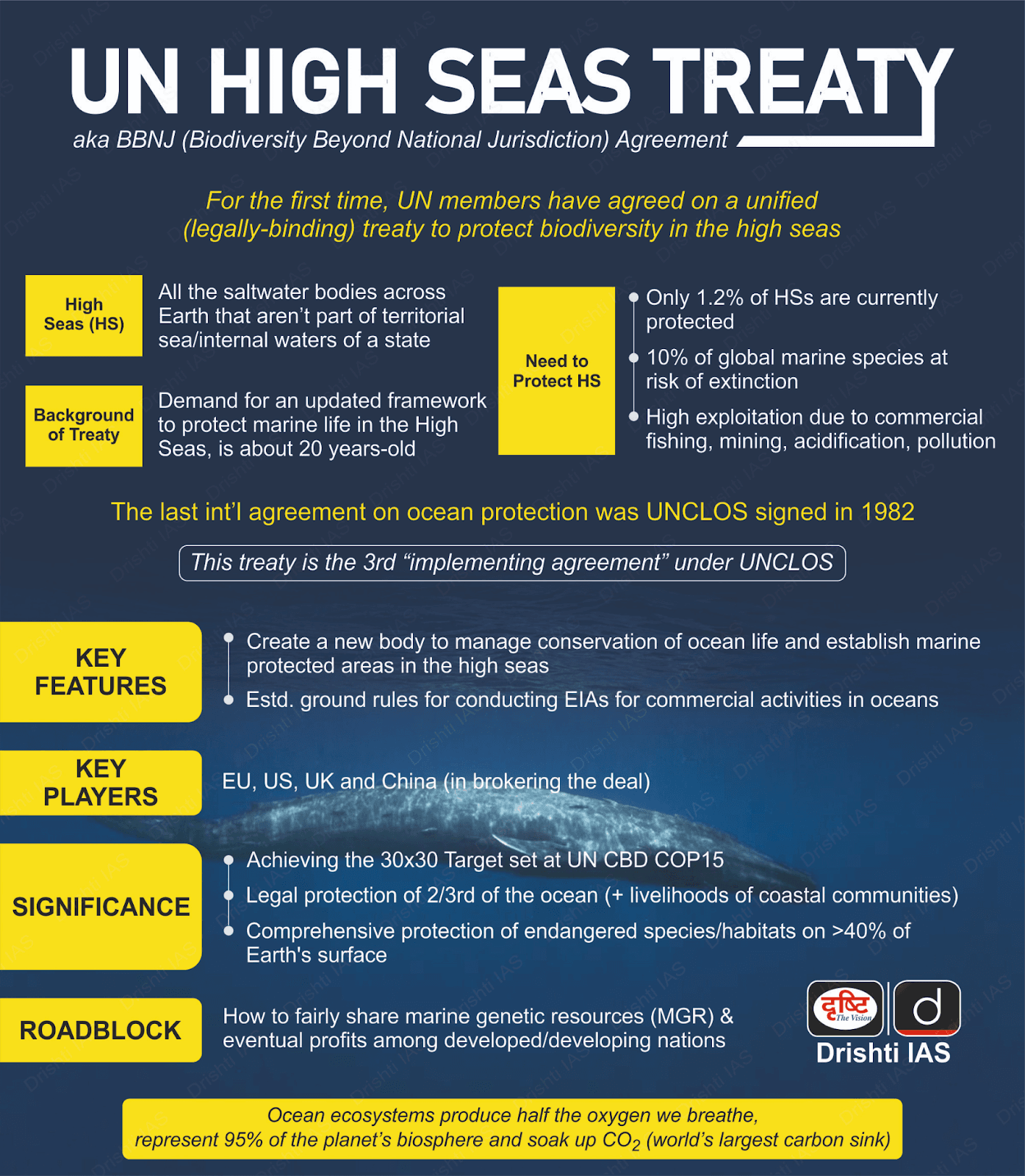
The world's oceans cover areas beyond any nation's legal claim, and for the first time in history a binding international treaty governs what happens there. On Wednesday, UN delegates wrapped the third and final session of the Preparatory Commission charged with turning that treaty into operational reality, closing a ten-day meeting at UN Headquarters in New York that exposed how much institutional scaffolding still needs to go up before the agreement can deliver measurable protections.
The BBNJ Agreement became international law when it entered into force on January 17, 2026, establishing for the first time a comprehensive global legal framework to protect biodiversity in areas beyond national jurisdiction, covering nearly half the planet. Morocco became the 60th country to ratify on September 19, 2025, setting the stage for that entry into force in January.
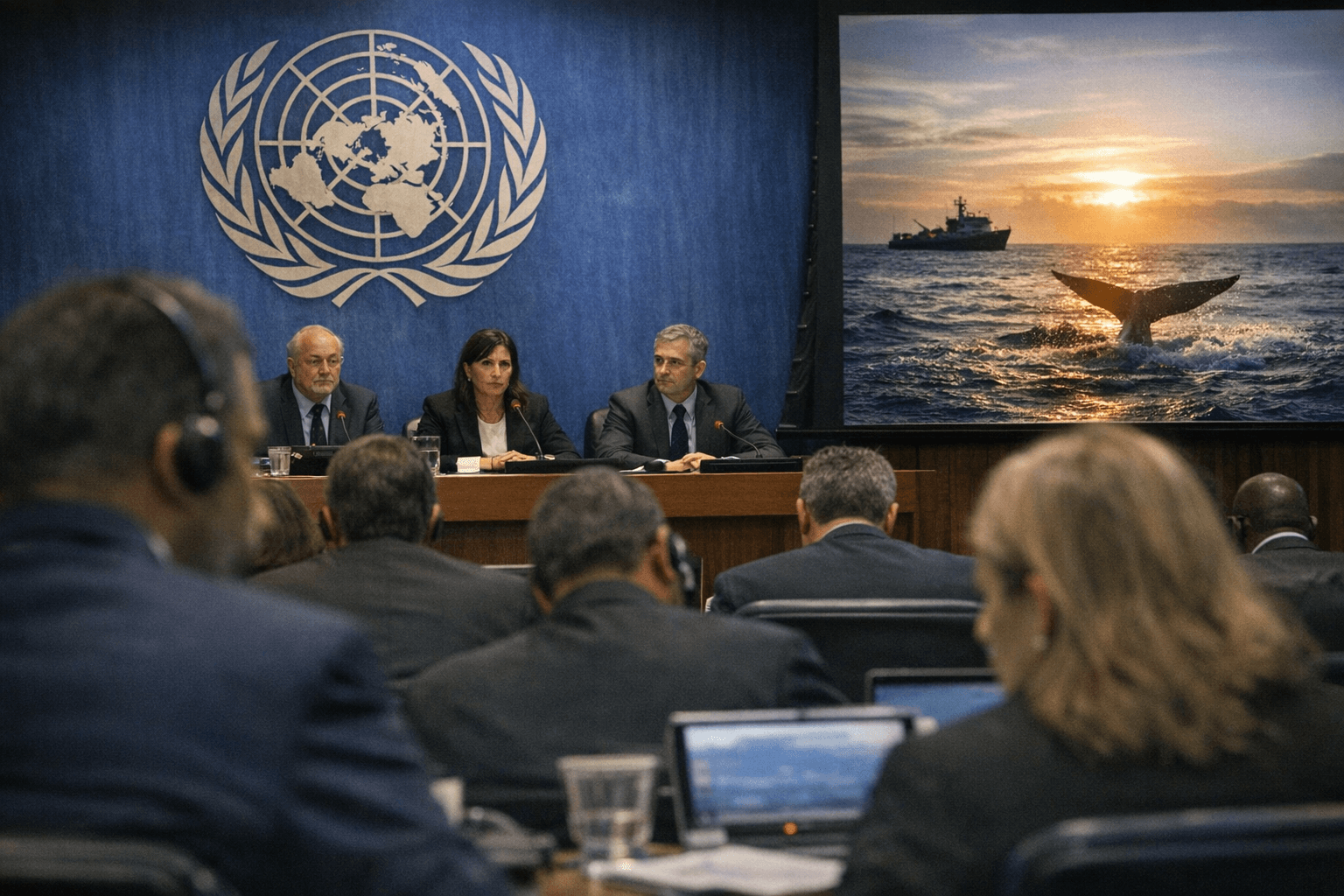
PrepCom III, which ran from March 23 through April 2, 2026, was the third and final planned preparatory session before the High Seas Treaty's first Conference of the Parties. Its central task was laying the groundwork for the treaty's institutions, rules, and processes. Delegates representing UN member states, the International Seabed Authority, scientific bodies, and civil society organizations negotiated draft text across three clusters: rules of procedure for the COP, financial rules governing the secretariat and subsidiary bodies, and modalities for cooperation with existing ocean governance instruments.
The real stakes at the negotiating table are commercial and scientific, not just environmental. The BBNJ Agreement promotes accessibility to marine genetic resources collected in areas beyond national jurisdiction and directs fair and equitable sharing of their benefits. Those resources, including deep-sea organisms whose biological compounds have driven pharmaceutical and biotech research, have operated under no binding global framework until now. Who gets to collect them, on what terms, and how revenues get distributed among nations will depend entirely on the institutional rules PrepCom III was supposed to finalize.
Despite progress in clarifying positions during PrepCom I and II, several politically sensitive issues remain unresolved, and further work is needed to finalize recommendations to be transmitted to COP1. The most contentious gaps involve the precise funding model for BBNJ mechanisms, the seat and staffing of the permanent secretariat, and how the agreement interfaces with bodies like the International Seabed Authority that already govern parts of the deep seabed. Observers and NGOs pressed negotiators to ensure that capacity-building and benefit-sharing obligations include meaningful support for developing nations and small island states, which lack the research fleets and laboratory infrastructure to participate on equal terms.
Enforcement presents its own unresolved dimension. Technological tools for monitoring, control, and surveillance of the high seas have become more accessible due to falling costs, widespread availability of satellite data, and recent investment in artificial intelligence, but the effectiveness of future high seas marine protected areas will undoubtedly be closely scrutinized. States must anticipate these implementation challenges before COP1 convenes.
Congress has expressed interest in various aspects of domestic and international marine biological resources, though the United States has not ratified the agreement. That absence limits U.S. leverage over the secretariat's location, the financial rules, and the data-sharing protocols that will govern American researchers operating in international waters.
With the treaty now international law, governments must turn commitments into action by advancing implementation and establishing marine protected areas. PrepCom III's draft decisions now feed into preparations for COP1, expected later in 2026. Whether that meeting produces an operational framework or kicks the hardest fights down the road will determine whether the High Seas Treaty becomes a governing instrument with teeth or an aspirational document waiting for political will that never quite arrives.
This article was produced by Prism’s automated news system from verified source data, official records, and press releases, then run through automated quality and moderation checks before publishing. The system is built and supervised by the people who set the standards it runs under. Read our full AI policy.
Did this article answer your question?