U.S. and Iran edge closer to deal as key terms remain unresolved
Trump said a deal was “largely negotiated,” but Iran still balked at uranium terms and said a breakthrough was not imminent.
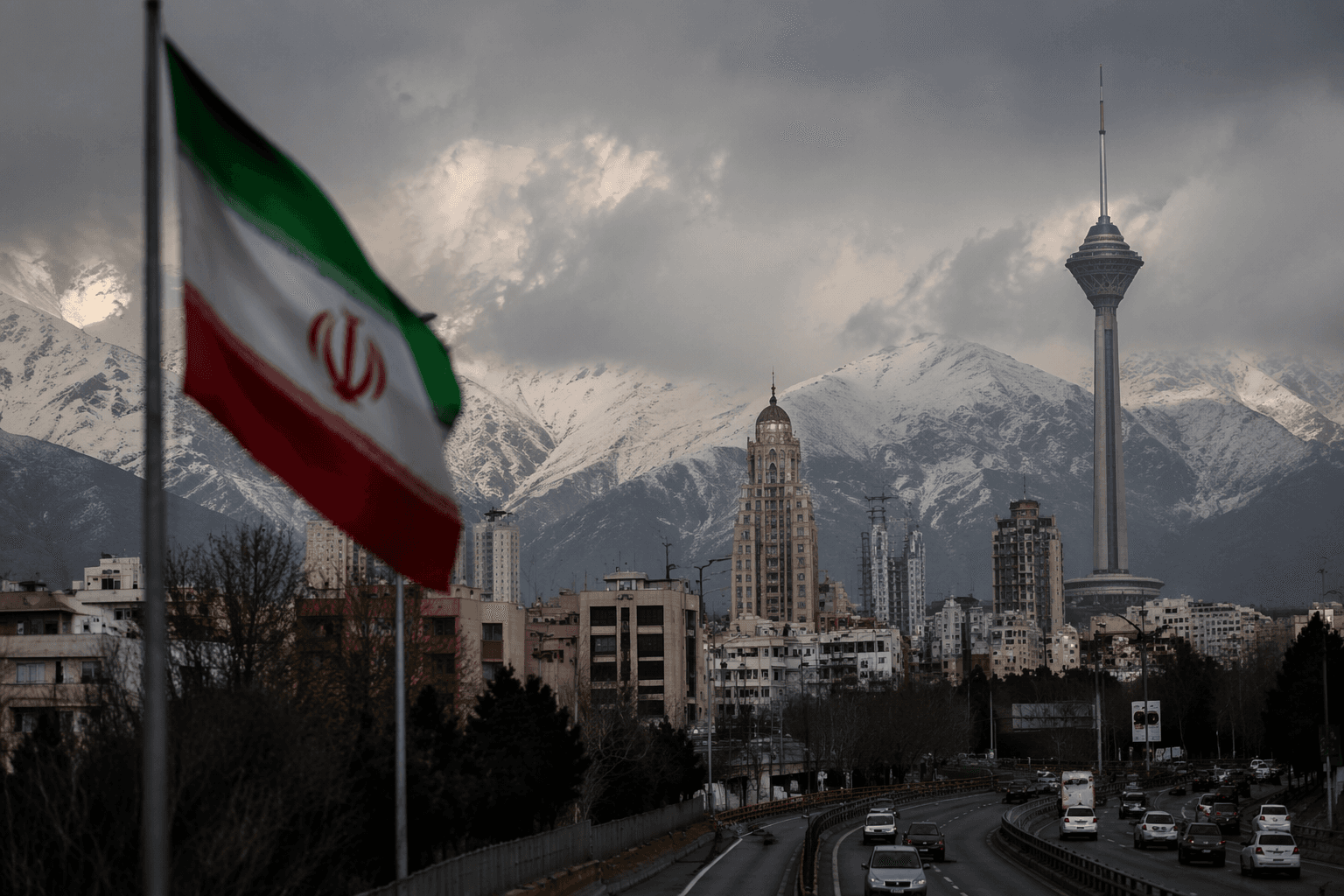
Talks between Washington and Tehran had moved far enough for both sides to describe progress, but the central bargain remained unfinished: what happens to Iran’s enriched uranium, and how much real control Iran would retain over the Strait of Hormuz.
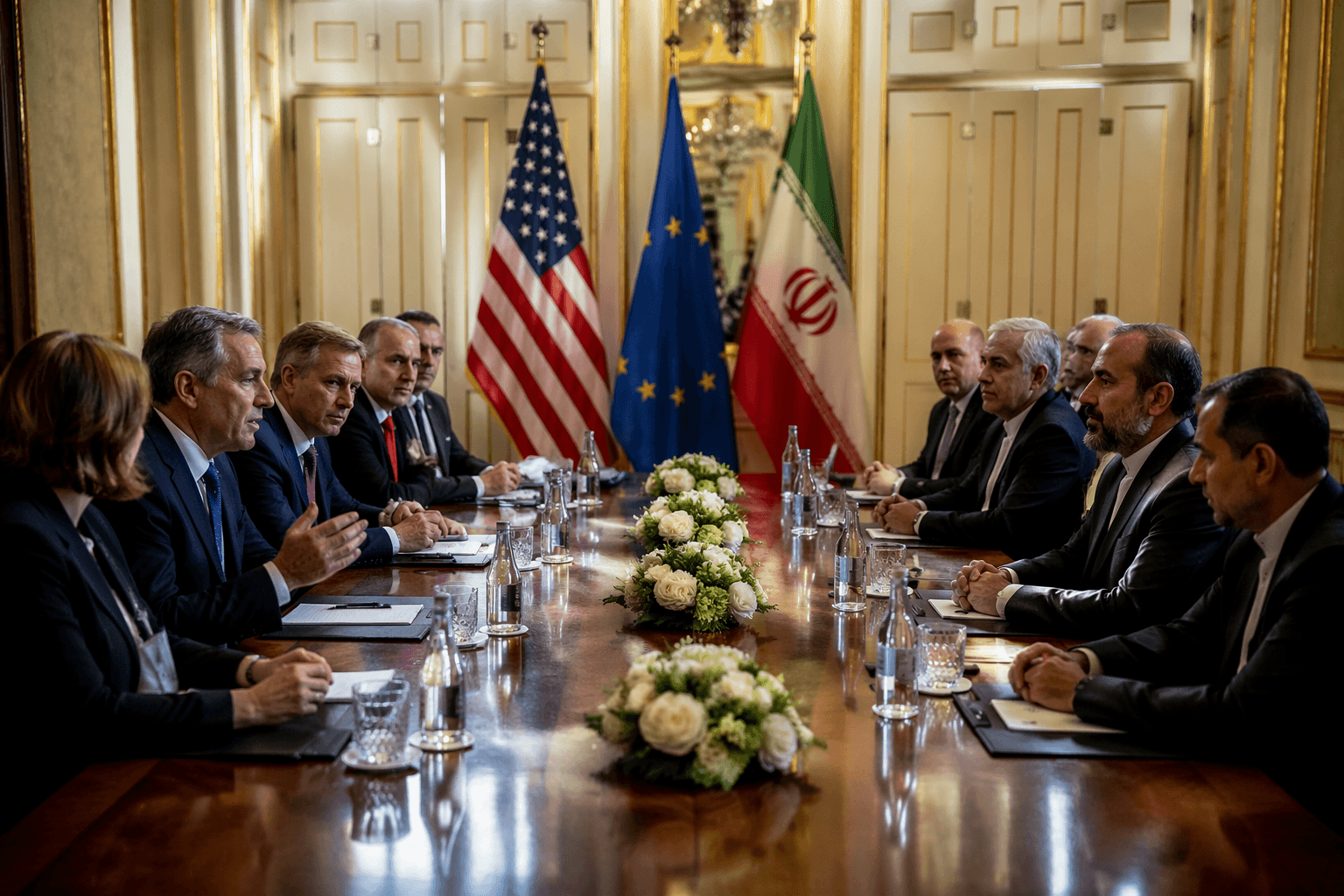
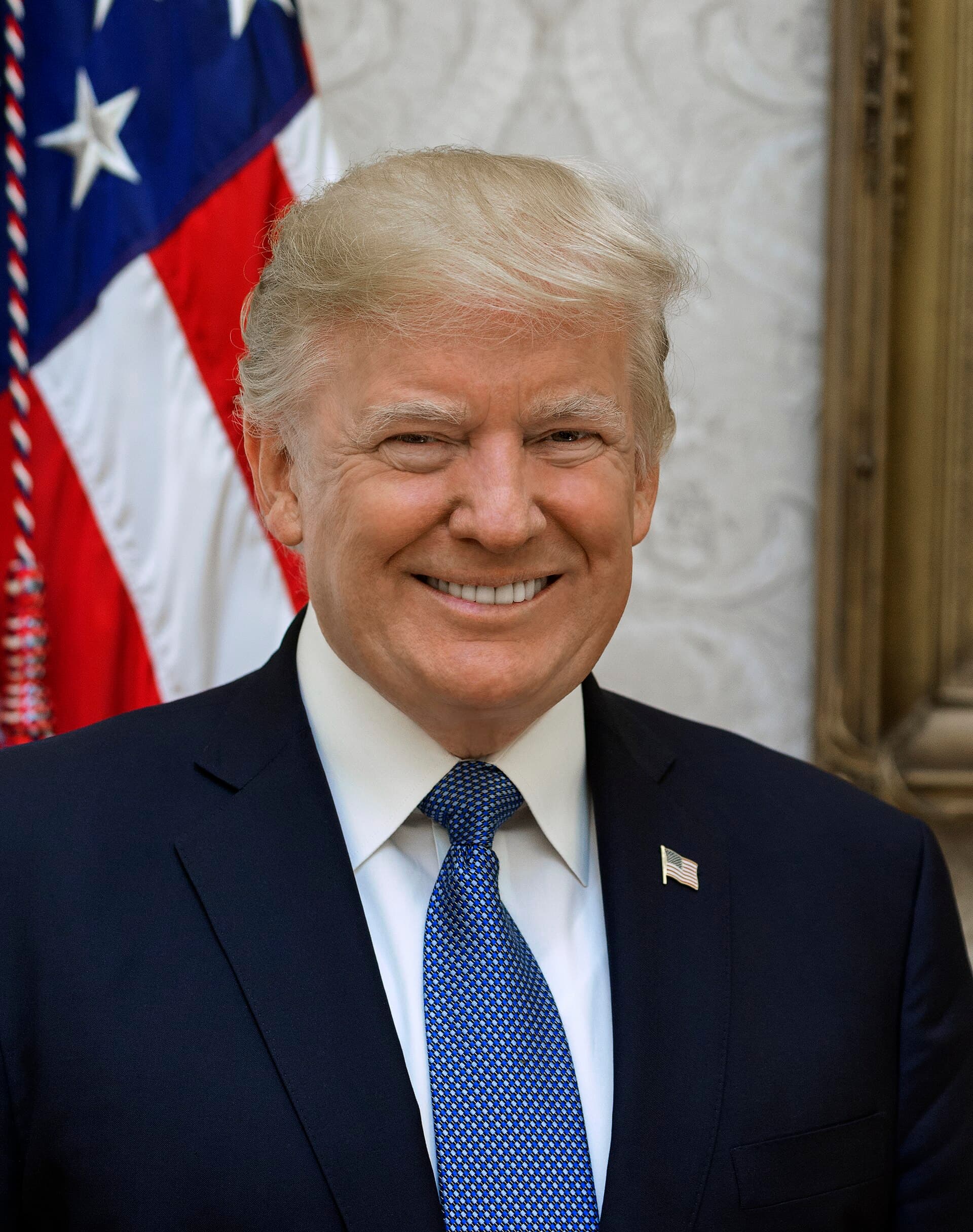
President Donald Trump said negotiators were “getting a lot closer” to an agreement, and later said a deal on the war, including reopening the Strait of Hormuz, had been “largely negotiated.” But the latest draft still left the hardest questions unresolved. CBS News reported that the proposal included reopening the waterway, unfreezing some Iranian assets held in foreign banks and continuing negotiations, while Iranian officials said a breakthrough was not imminent and that the package did not yet include immediate concessions on the nuclear issue.
One draft proposal described Iran reopening the Strait of Hormuz immediately and restoring traffic to pre-war conditions within 30 days. Iran’s semi-official Fars News Agency, however, said the strait would remain under Iranian management even if an agreement were reached. That gap captured the core problem in the diplomacy: Washington was signaling movement on access and assets, while Tehran was resisting any deal that looked like a one-sided rollback before nuclear terms were settled.
The most sensitive issue remained Iran’s stockpile of roughly 440.9 kilograms of uranium enriched to 60 percent, material far above civilian power-reactor levels and close to weapons-grade if further enriched. Iranian sources said Supreme Leader Ali Khamenei had directed that the stockpile must not leave Iran. Israeli officials reportedly told Reuters that any final agreement must include removing the uranium from the country. The dispute was shaping the pace of the talks as much as the text of any draft, and it underscored how little confidence either side had in unenforced promises.
The economic stakes were already visible. One report said Brent crude futures fell nearly 7% on optimism that a deal could ease tensions around the strait, a critical chokepoint for global oil shipments. But the market reaction rested on hopes, not resolved terms, and those hopes could reverse quickly if the diplomacy stalled.
Regional leaders were pressing their own conditions. Benjamin Netanyahu said after speaking with Trump that any final agreement had to eliminate the nuclear danger posed by Tehran. Republican Sen. Lindsey Graham urged Trump to “stick to your guns” in the negotiations. At the same time, senior Iranian negotiators Abbas Araghchi and Mohammad Bagher Qalibaf were reported in Doha for talks with Qatar’s prime minister, a sign that the channel remained open even as the substance remained contested.
Know something we missed? Have a correction or additional information?
Submit a Tip