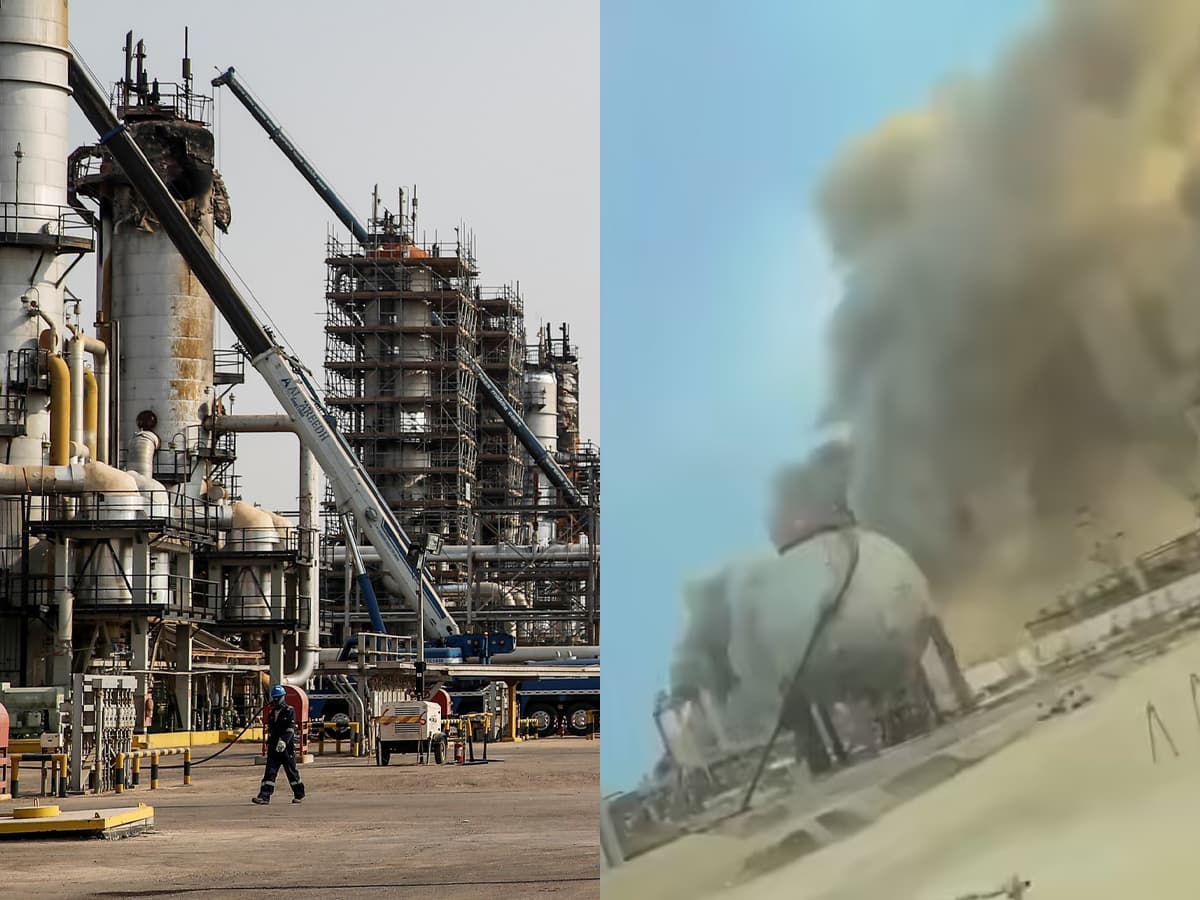
U.S. and Iran exchange fresh strikes, straining fragile ceasefire
U.S. strikes hit 10 Iranian targets near the Strait of Hormuz, then Iran answered in Kuwait and Bahrain, putting U.S. bases and oil traffic back in the crosshairs.

U.S. forces struck 10 Iranian military targets at multiple locations in and near the Strait of Hormuz, and Iran answered with ballistic missiles and drones aimed at U.S. positions in Kuwait and Bahrain, escalating a third straight day of fighting around the world’s most important oil corridor. The exchange tested a fragile ceasefire that had held since June 17 and pushed the confrontation closer to a wider regional war.
U.S. Central Command said the American strikes were carried out in response to an Iranian drone attack on the Panama-flagged tanker Kiku, which was carrying about two million barrels of crude. Iran’s Islamic Revolutionary Guard Corps then said it fired at the U.S. Ali Al Salem Air Base in Kuwait and the U.S. Fifth Fleet at Port Salman in Bahrain, both sites that sit at the center of Washington’s military posture in the Gulf. Bahrain said the attack violated its sovereignty and undermined de-escalation and stability, while Kuwait called it a flagrant violation of its sovereignty.
The choice of Kuwait and Bahrain mattered strategically because both are close to the Gulf’s shipping arteries and host major American military infrastructure. Bahrain’s Interior Ministry said air raid sirens were activated and told residents to remain calm and head to the nearest safe place. Kuwait’s military said its air defenses were engaging hostile missile and drone attacks. In Muharraq, a damaged apartment was hit by an Iranian drone, according to Bahraini authorities. Earlier in the broader escalation, Iranian drone attacks on Kuwait’s main airport killed one person, underscoring how quickly the violence had spread beyond direct strikes on U.S. forces.
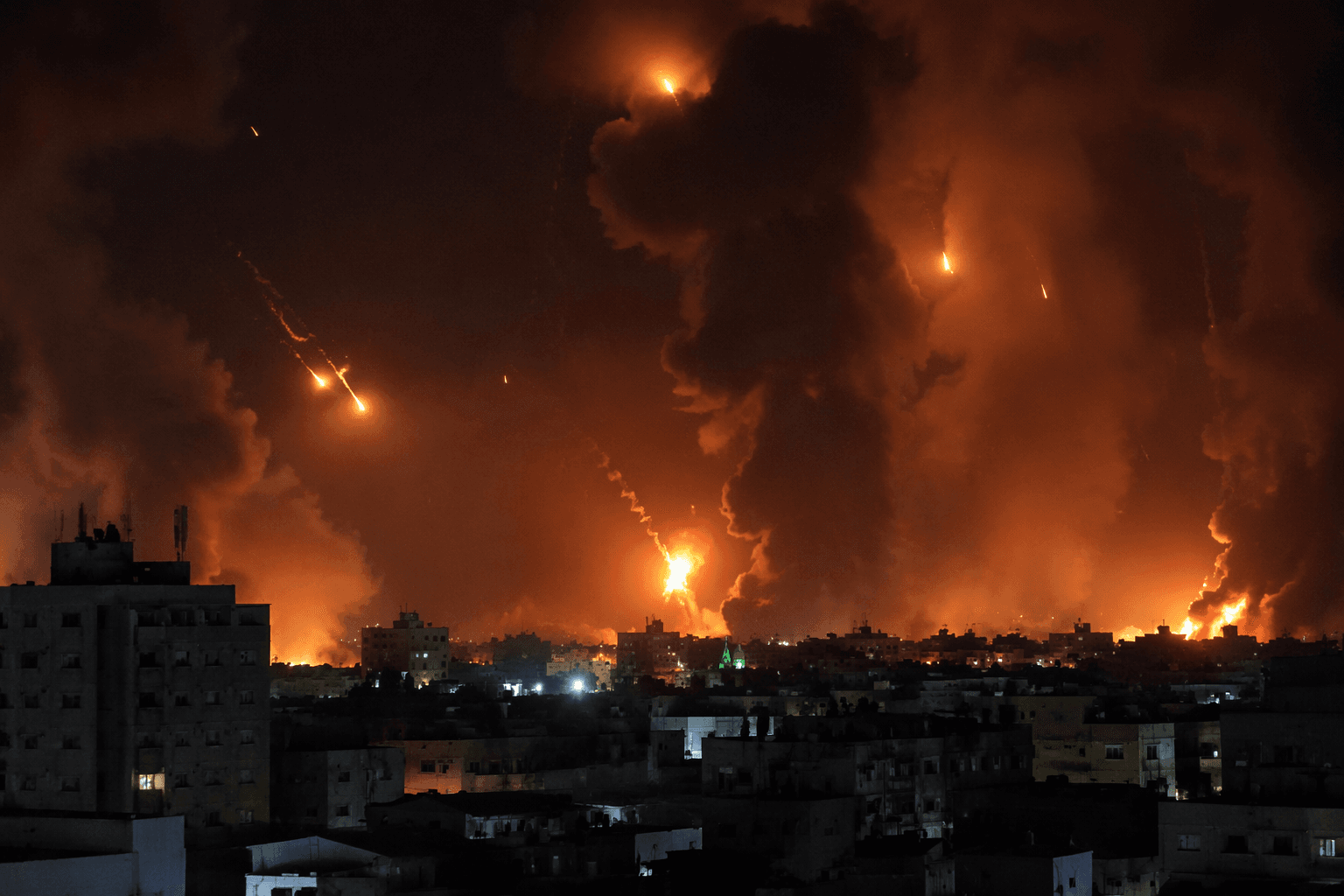
The military exchange came as shipping through the Strait of Hormuz had only just begun to recover. CNBC reported 125 transits through the strait from June 15 to June 21, the highest weekly total since the war began in late February, and 62 commercial vessel crossings on June 24, the strongest single-day count since the fighting started. The corridor normally handles about 20% of global oil traffic, so renewed attacks again threatened supply lines, insurance costs, and fuel prices far beyond the Gulf.
President Donald Trump escalated the rhetoric, posting that Iran would “no longer exist” if the United States had to resume the war. Iranian outlets warned that any further aggression would bring a “crushing response” and could halt diplomatic processes. If either side keeps hitting bases in Kuwait or Bahrain, or if tanker traffic through the Strait of Hormuz slows again, the ceasefire may already be collapsing.
This article was produced by Prism’s automated news system from verified source data, official records, and press releases, then run through automated quality and moderation checks before publishing. The system is built and supervised by the people who set the standards it runs under. Read our full AI policy.
Did this article answer your question?