U.S. and Iran Near Deal to End Gulf War as Markets Rally
Oil plunged and stocks jumped as Washington and Tehran neared a one-page Gulf truce framework. Traders quickly repriced the risk of a Strait of Hormuz shock.

Oil markets and global equities whipsawed as signs emerged that Washington and Tehran were closing in on a narrow framework to halt the fighting in the Gulf, even as the wider confrontation over Iran’s nuclear program remained unresolved.
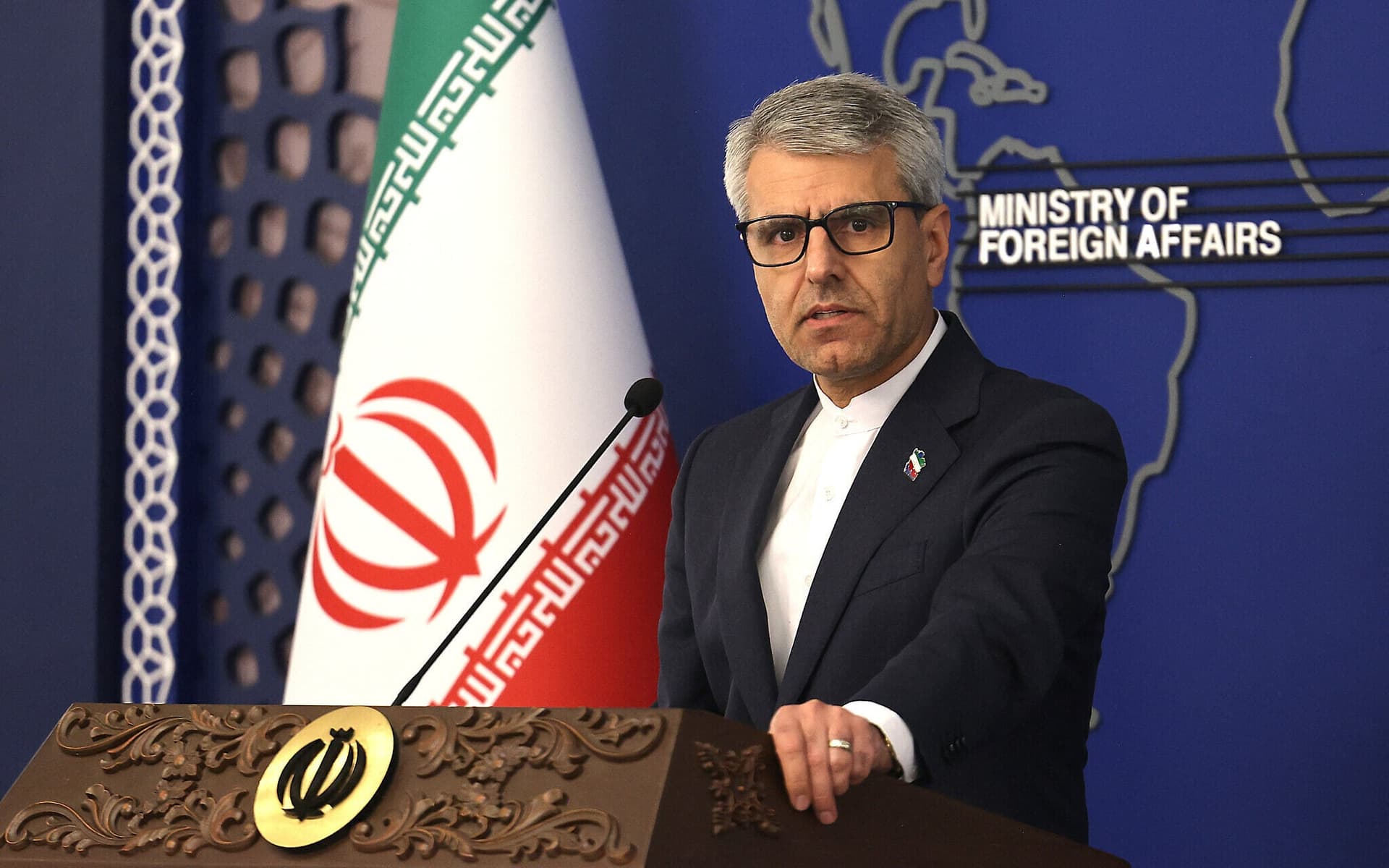
Iran said it was reviewing a new U.S. proposal, and the sides were said to be working on a one-page memorandum that would stop the war first and leave the most difficult issues for later. Those follow-on talks would focus on reopening shipping through the Strait of Hormuz, lifting U.S. sanctions, and setting limits on Iran’s nuclear program. Esmaeil Baghaei said Iran would send its response through Pakistan, which has served as the main channel for messages between the two sides.
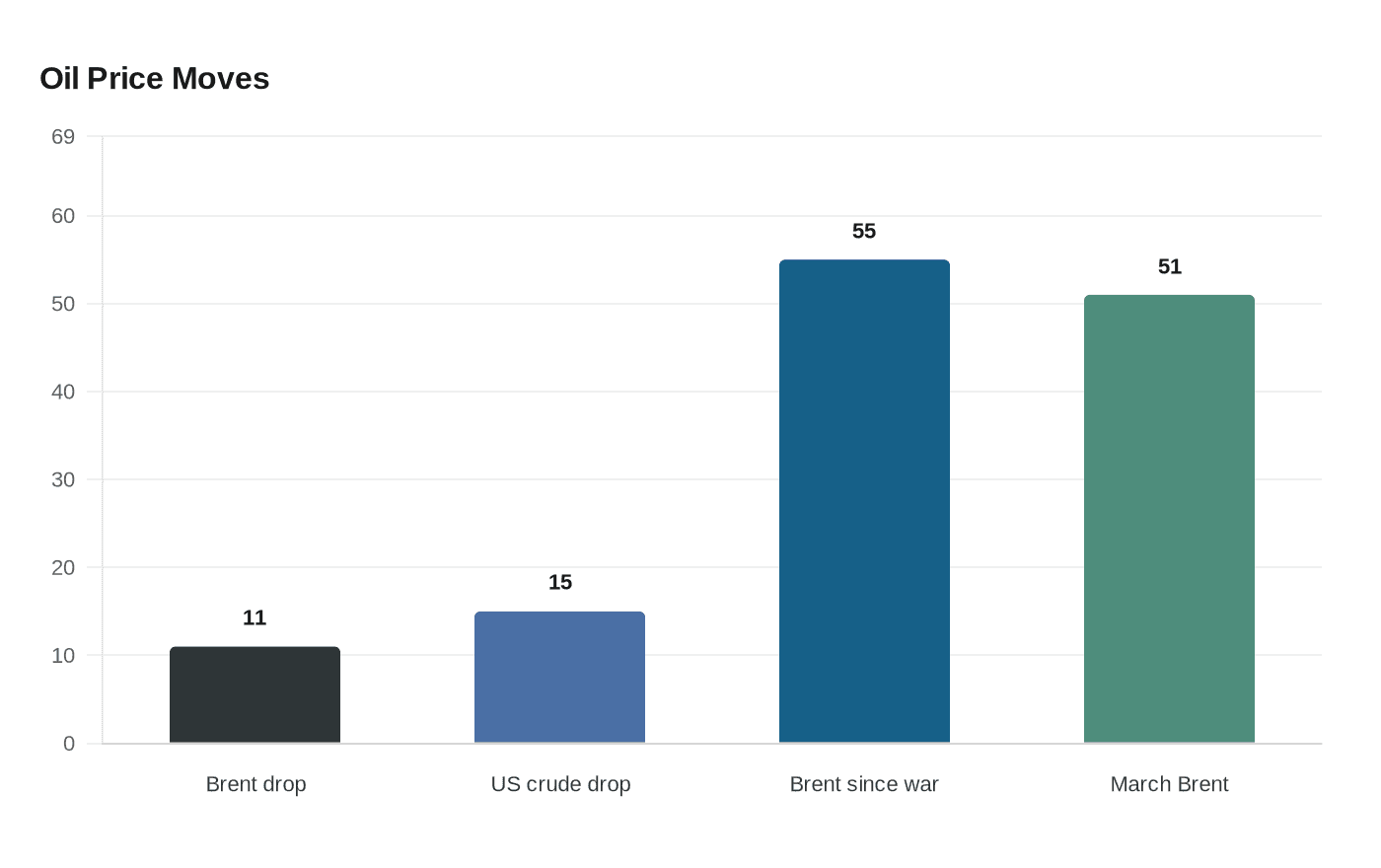
The market reaction was immediate. Benchmark Brent crude fell about 11% to roughly $98 a barrel, while U.S. crude dropped as much as 15% to about $88 before recovering later in the morning. By 9:45 a.m. ET, U.S. crude was back near $95 and Brent around $103. U.S. stocks rose across the board, with gains in the S&P 500, Nasdaq Composite, Russell 2000 and Dow Jones Industrial Average, while bond yields fell.
The speed of the move reflected how much tension had already been priced into energy markets. Brent had surged more than 55% since the war began and had touched nearly $120 at its peak. March produced one of the largest monthly oil price jumps on record, with Brent up 51%, as traders grappled with a conflict that repeatedly threatened the world’s most important oil corridor.
The escalation had been building for months. The United States and Israel struck Iranian nuclear sites in June 2025, tensions rose again in January and February 2026, military action intensified on February 28, shipping disruptions in the Strait of Hormuz were reported on March 1, and the United States imposed a naval blockade of Iran’s ports on April 13. Iran’s navy said on Wednesday morning that safe, stable passage through the strait would be ensured once threats were neutralized and new protocols were in place.
Donald Trump said the war would end if Iran agreed to what had already been settled, but warned that if it did not, “the bombing starts” at a higher level and intensity. He had also said he was still reviewing Iran’s proposal and had not committed to face-to-face talks. An Israeli source said Israel was not aware Trump was close to a deal and was preparing for escalation instead, underscoring how fragile any breakthrough could be even as traders rushed to price in de-escalation.
This article was produced by Prism’s automated news system from verified source data, official records, and press releases, then run through automated quality and moderation checks before publishing. The system is built and supervised by the people who set the standards it runs under. Read our full AI policy.
Did this article answer your question?
%3Amax_bytes(150000)%3Astrip_icc()%2FCertificate-of-deposit-2301f2164ceb4e91b100cb92aa6f868a.jpg&w=1920&q=75)