U.S. and Iran reach fragile ceasefire framework in nuclear talks
A 14-point U.S.-Iran ceasefire framework promised to halt fighting and reopen Hormuz, but nuclear, sanctions and security terms stayed unresolved.
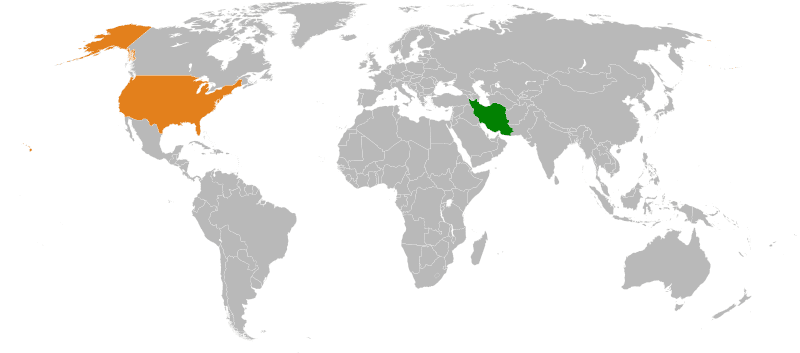
The latest U.S.-Iran breakthrough offered a headline of peace and a document full of escape hatches. The memorandum of understanding, brokered over the weekend of June 14-15, 2026, was meant to halt fighting and restore shipping through the Strait of Hormuz, yet it also left the hardest questions for later, deepening uncertainty about whether the truce could hold.
The framework was described as a 14-point agreement, but the text was not initially public and key provisions were deferred to follow-on talks. Iran’s nuclear program, sanctions relief, regional security arrangements and the status of Lebanon were all pushed into later negotiations, even as U.S. officials said a formal signing was expected in Geneva on Friday, June 19. The White House sent the interim text to Congress on Thursday, underscoring how improvised the process remained.

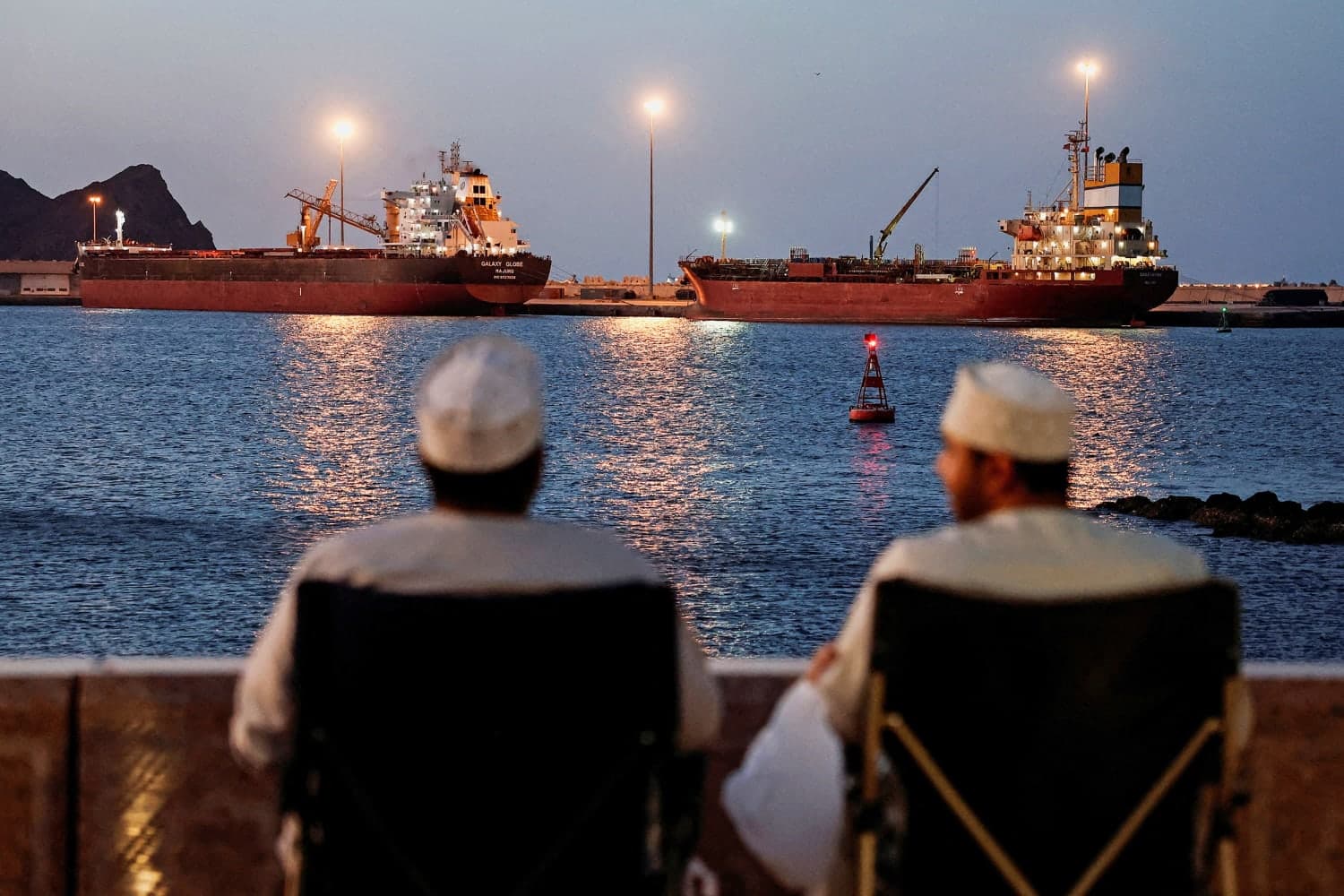
The Strait of Hormuz sat at the center of the deal and at the center of the confusion. Donald Trump said the U.S. naval blockade would stand down and that the strait would reopen without tolls, but Iranian officials later suggested reopening would be subject to Iranian arrangements. That gap mattered immediately, because the chokepoint carries much of the world’s oil shipments and any ambiguity over access can ripple through global energy markets within hours.
Those market signals were swift. Oil prices and bond yields fell after the announcement, while stocks rose, reflecting hopes that nearly four months of war and disrupted trade might finally give way to a steadier flow of fuel and goods. But the same ambiguity that calmed traders also weakened the ceasefire’s credibility, because the two governments were effectively selling different versions of the same document to domestic audiences and to the region.
Israel was not party to the agreement, and reports said some Israeli officials were troubled by its terms. Britain, France, Germany and Italy welcomed the deal while warning that Iran must never acquire a nuclear weapon, and Qatar endorsed the restoration of freedom of navigation in the Strait of Hormuz. Even in Washington, lawmakers said they were still not fully briefed when Trump said he was willing to send the interim deal to Congress, leaving the framework as a fragile first step rather than a final settlement.
This article was produced by Prism’s automated news system from verified source data, official records, and press releases, then run through automated quality and moderation checks before publishing. The system is built and supervised by the people who set the standards it runs under. Read our full AI policy.
Know something we missed? Have a correction or additional information?
Submit a Tip