US and Iran trade strikes for sixth day as tensions escalate
US and Iranian forces traded strikes for a sixth night as Tehran called the Strait of Hormuz a red line and threatened US Gulf allies.
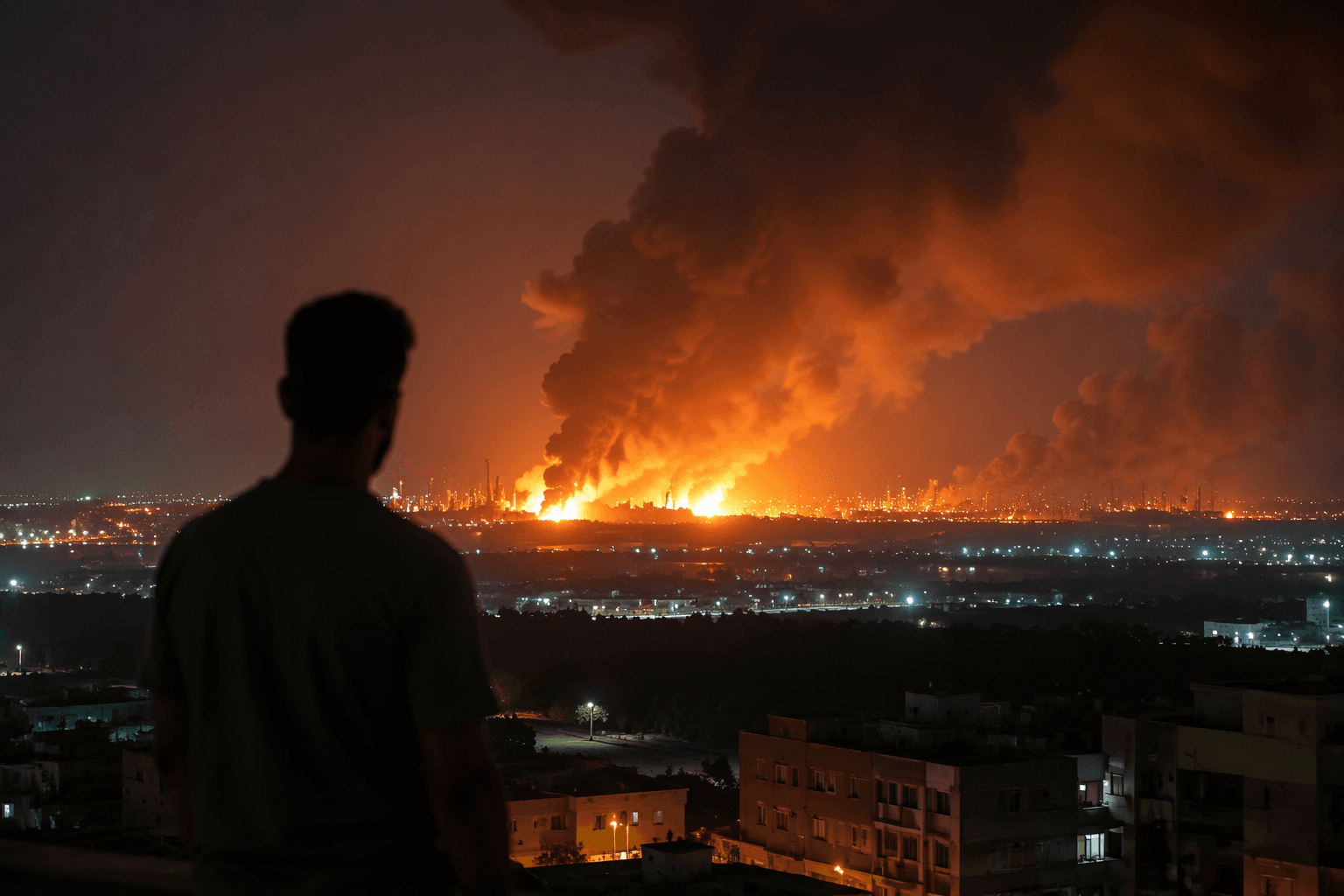
US forces completed another wave of strikes on Iran for a sixth night in a row as Tehran answered with fresh attacks, pushing the confrontation deeper into the Strait of Hormuz, the narrow waterway that has become the main pressure point for global shipping and energy flows. US Central Command said the attacks were meant to "further degrade Iranian military capabilities," while Iran said civilian infrastructure had been hit.
The latest round came after an earlier U.S. strike package hit 140 Iranian military targets on Saturday, and Reuters reported that eight Iranian army members were killed in attacks on southern Iran. The campaign has also widened beyond military sites. The Wall Street Journal said US forces targeted Iranian bridges to choke off regime supply routes, and US officials said bridges and railroads were being used by Iran’s military to move missiles, drones and components. One bridge connecting Tehran to Karaj was struck, and at least 13 people were killed in that attack.
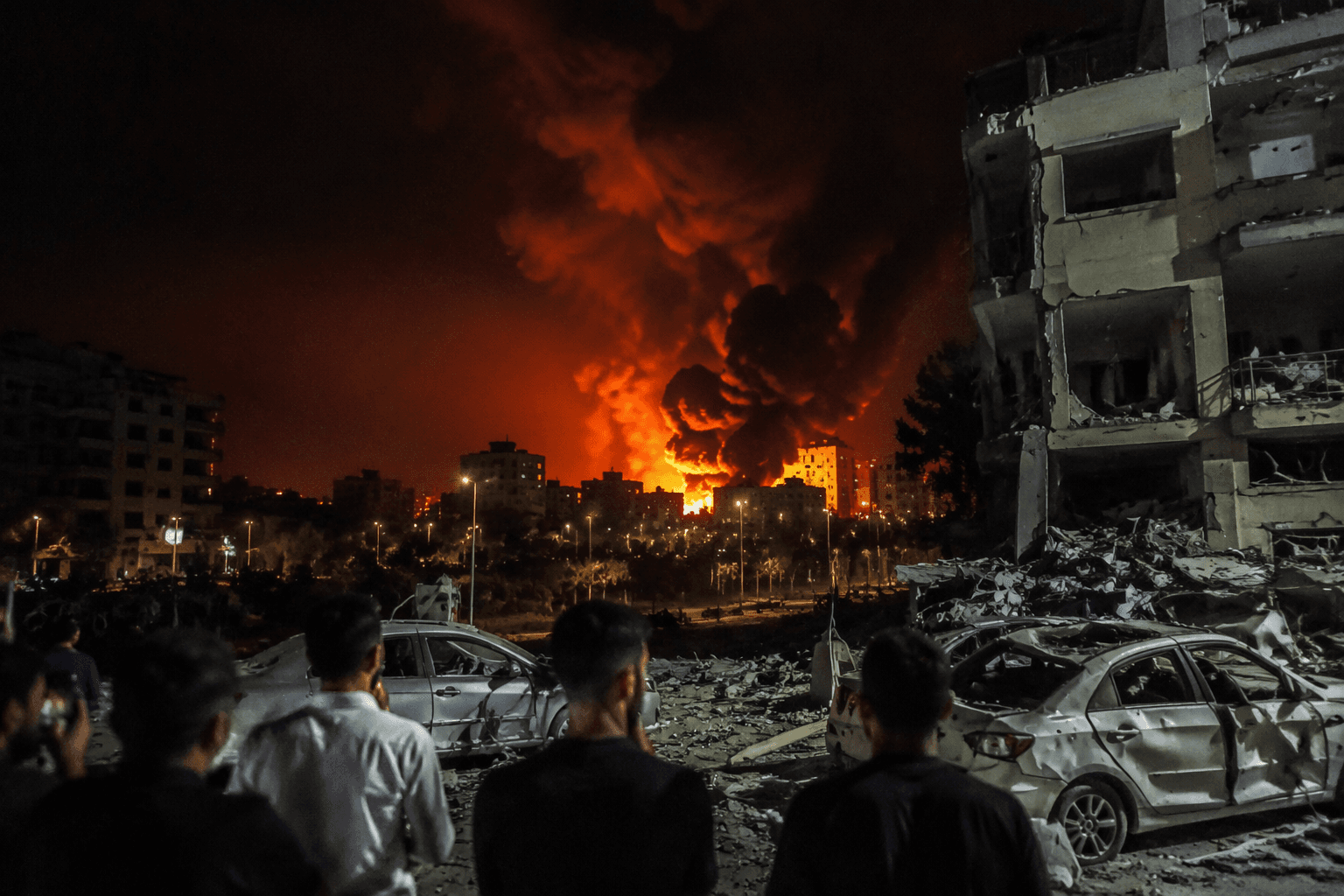
Donald Trump has sharpened the pressure further. He threatened strikes on Iranian bridges and power plants and said attacks would intensify "next week" if Tehran did not return to negotiations. Reuters has said the latest strikes strengthened Trump’s options for new escalation, leaving open the possibility of a broader campaign even as Washington keeps the door open to talks.
Iran has responded with threats aimed well beyond the U.S. military. Tehran said the Strait of Hormuz was a "red line," vowed to resist until the end, and threatened to block more vital seaways and hit US Gulf allies. It also launched fresh attacks after the sixth day of US strikes, raising the risk that Arab neighbors could be pulled in if shipping routes or military installations in the Gulf come under fire.
The strategic stakes are unusually high because the Strait of Hormuz is one of the world’s most important shipping chokepoints. Research from the Congressional Research Service and Crisis Group has long treated the waterway as a flashpoint in U.S.-Iran tensions, and Bloomberg has said fears are mounting over a wider escalation centered on the strait. Oil and trade concerns have already risen as the conflict has deepened, making each new strike more than a bilateral exchange. It now carries the risk of spilling into the Gulf’s shipping lanes, regional alliances and energy markets.
This article was produced by Prism’s automated news system from verified source data, official records, and press releases, then run through automated quality and moderation checks before publishing. The system is built and supervised by the people who set the standards it runs under. Read our full AI policy.
Did this article answer your question?