U.S. approves possible $11.9 billion naval combat system sale to Germany
Germany’s $11.9 billion request bundles AEGIS, SPY-6 radars and missile launchers into a single naval package, sharpening Europe’s push for faster defense buildup.
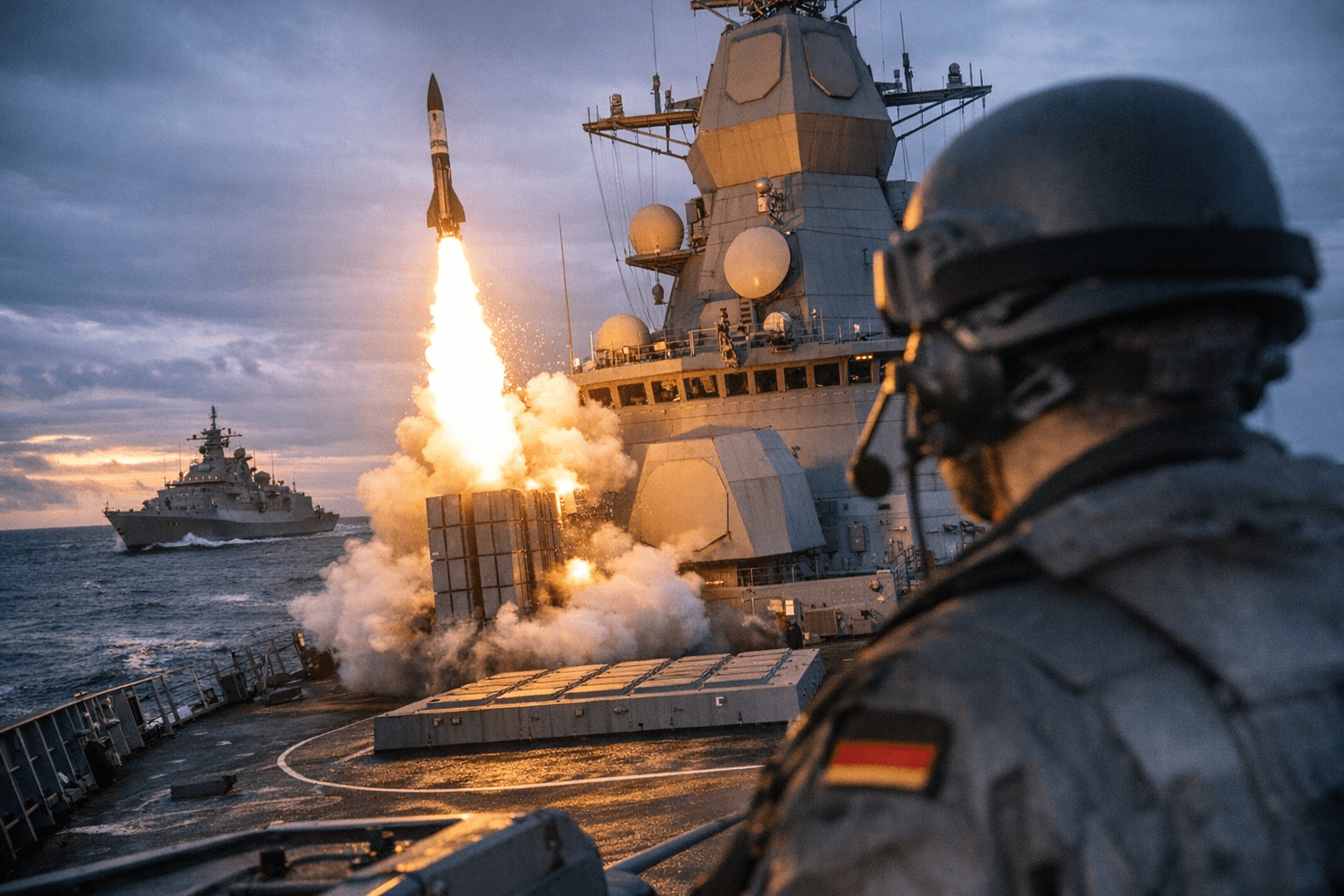
The State Department cleared the way for a possible $11.9 billion sale to Germany of an integrated naval combat system and supporting equipment, a package that would give Berlin a far more capable mix of sensors, launchers and battle-management tools for its fleet.
The request centers on eight shipsets of AEGIS-based Integrated Combat System MK 6 MOD X computing infrastructures, eight AN/SPY-6(V)1 active electronically scanned array S-band radars and eight MK 41 Baseline VIII Vertical Launch Systems. It also includes Cooperative Engagement Capability equipment, GPS-based positioning, navigation and timing service, command-and-control processors, multifunctional information distribution systems, MK 45 gun mounts, electronic warfare systems, AN/SPQ-9B radar systems and AN/WSN-12 inertial navigation systems. Lockheed Martin and RTX would be the principal contractors.
The sale is not final. It entered the formal Foreign Military Sales process, which begins with congressional notification and other remaining U.S. review steps before any contract can move ahead. Even so, the breadth of the package makes clear what Germany is seeking: a fully integrated combat system that ties together radar, communications, navigation, fire control and missile launch capabilities so ships can detect threats, share targeting data and respond faster in a contested environment.
That capability matters as Germany expands its military role inside NATO and tries to harden its fleet against missiles, aircraft and electronic attack. The package goes well beyond a single weapon or radar buy. By combining the SPY-6 sensor suite, AEGIS computing, Vertical Launch Systems and Cooperative Engagement Capability, Berlin would be buying a networked system designed to let ships fight as part of a wider air and missile defense architecture, not as isolated platforms.
The size of the request also reflects a broader shift in Europe’s defense posture. Allies have been pouring money into air and missile defense, shipboard sensors and battle-management systems as security risks rise and the alliance debates burden-sharing. Germany’s order signals that Berlin is not just replacing aging hardware. It is trying to accelerate a military transformation, one that makes its navy more interoperable with U.S. forces and more useful in a NATO fight that increasingly depends on integrated sensing and rapid decision-making.
For Washington, the proposed sale serves a second purpose as well: it pushes advanced American defense technology deeper into Europe’s frontline militaries, while encouraging allies to shoulder more of the cost of their own defense.
This article was produced by Prism’s automated news system from verified source data, official records, and press releases, then run through automated quality and moderation checks before publishing. The system is built and supervised by the people who set the standards it runs under. Read our full AI policy.
Did this article answer your question?


