U.S. Awards Lockheed Martin $4.7 Billion to Boost Patriot Missile Production
The Pentagon awarded Lockheed Martin a $4.7B preliminary contract to more than triple PAC-3 missile output, from 600 to 2,000 interceptors per year.
The U.S. government handed Lockheed Martin a $4.7 billion contract on April 10 to dramatically scale up production of PAC-3 Missile Segment Enhancement interceptors, the core munition of the Patriot air-defense system, as sustained battlefield demand strains existing stockpiles.
The objective is stark in its ambition: lift annual output from roughly 600 interceptors to approximately 2,000, a more than threefold increase that the Pentagon and Lockheed say is required to meet operational needs across multiple theaters.
The contract is classified as an undefinitized contract action, a designation that carries significant implications for taxpayer oversight. Under this structure, the government authorizes Lockheed to begin work and incur costs before the final price, schedule, and performance terms are formally settled. The arrangement lets production begin without delay, but it shifts pricing risk toward the government until a definitized agreement is reached, typically within 180 days under federal acquisition regulations. Congressional budget watchdogs and the Government Accountability Office routinely flag undefinitized actions as areas requiring close tracking because cost growth is harder to control once work is already underway.
Lockheed has spent years positioning itself for a contract of this scale. The company reported investing more than $7 billion in capacity expansion since the beginning of the previous administration, with roughly $2 billion of that total directed specifically at accelerating munitions production. The April 10 award builds on a previously signed seven-year framework agreement between Lockheed and the Department of Defense to expand Patriot production over the long term.
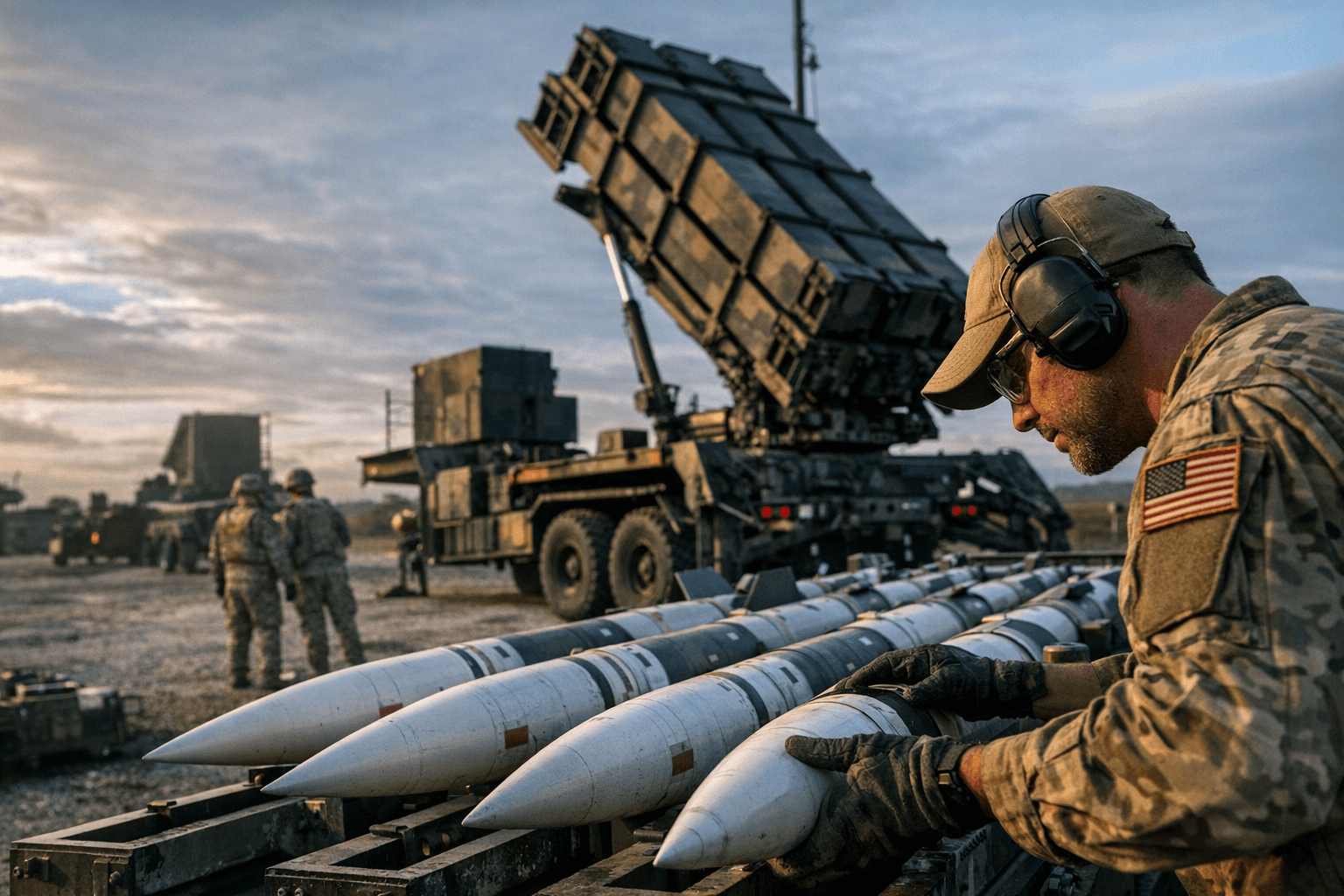
The industrial challenge behind tripling annual output is substantial. PAC-3 MSE interceptors rely on precision-engineered rocket motors, advanced guidance seekers, and highly specialized electronics produced across a wide network of defense subcontractors. Each subsystem represents a potential bottleneck: suppliers sized for a peacetime production rate of 600 units per year cannot simply switch overnight to delivering components for 2,000. Hiring and training the skilled technicians required for precision assembly adds another layer of complexity, and competition for that labor pool has intensified as the broader defense industry ramps up across multiple programs simultaneously.
The geopolitical pressures driving the contract are visible and measurable. The war in Ukraine demonstrated at scale how quickly modern air-defense interceptors are consumed in high-intensity conflict, with Patriot systems playing a critical role in defending infrastructure and population centers against missile and drone strikes. Pentagon planners focused on the Indo-Pacific have simultaneously worked through scenarios in which integrated air and missile defense would be stressed from the opening hours of any potential conflict, requiring far deeper magazines than current production rates can sustain.
For Lockheed Martin investors, the $4.7 billion action is material to the company's near-term revenue trajectory and validates years of capital investment in production infrastructure. For national security planners, the contract addresses a documented shortage of ready interceptors at an operationally urgent moment. The harder question, which oversight bodies will be watching as the undefinitized action moves toward a final agreement, is whether Lockheed and its supply chain can actually deliver 2,000 units per year on schedule and within costs the government ultimately agrees to pay.
This article was produced by Prism’s automated news system from verified source data, official records, and press releases, then run through automated quality and moderation checks before publishing. The system is built and supervised by the people who set the standards it runs under. Read our full AI policy.
Did this article answer your question?