U.S. becomes world’s largest oil exporter as shale reshapes markets
The U.S. moved from oil-shock victim to top exporter, with crude output at 13.6 million barrels a day and shipments near 10.5 million in May.
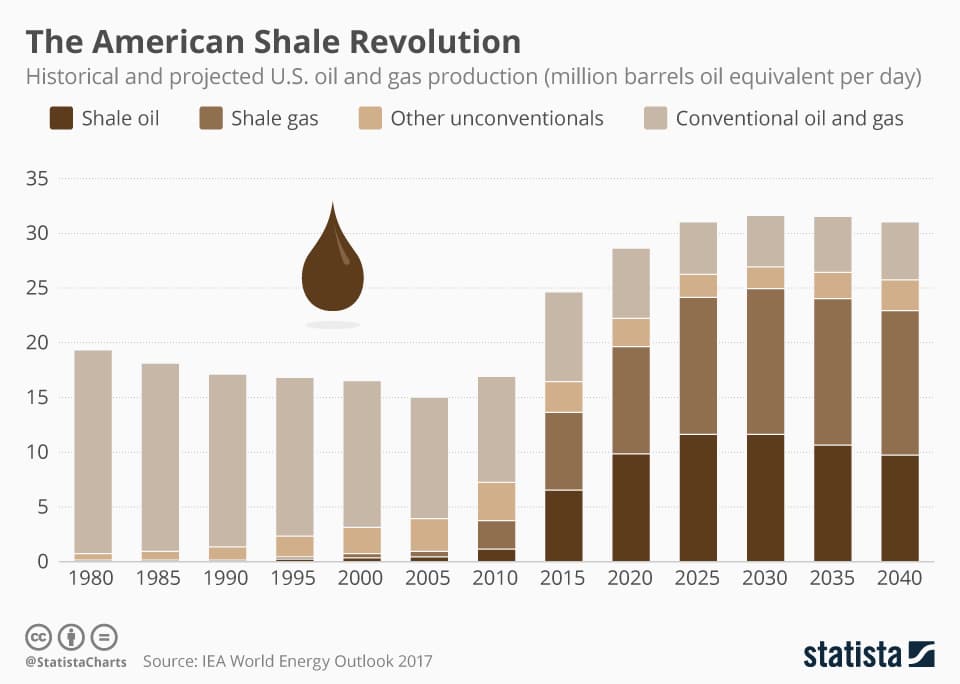
The United States became the world’s largest oil exporter, a reversal that would have been hard to imagine in the years after the 1973 Arab oil embargo exposed how vulnerable the country was to Middle East supply shocks. Shale changed that balance. After 2010, the boom first made the U.S. the top natural-gas producer and then lifted it to the top of global oil production, with crude output reaching a record 13.6 million barrels a day in 2025.
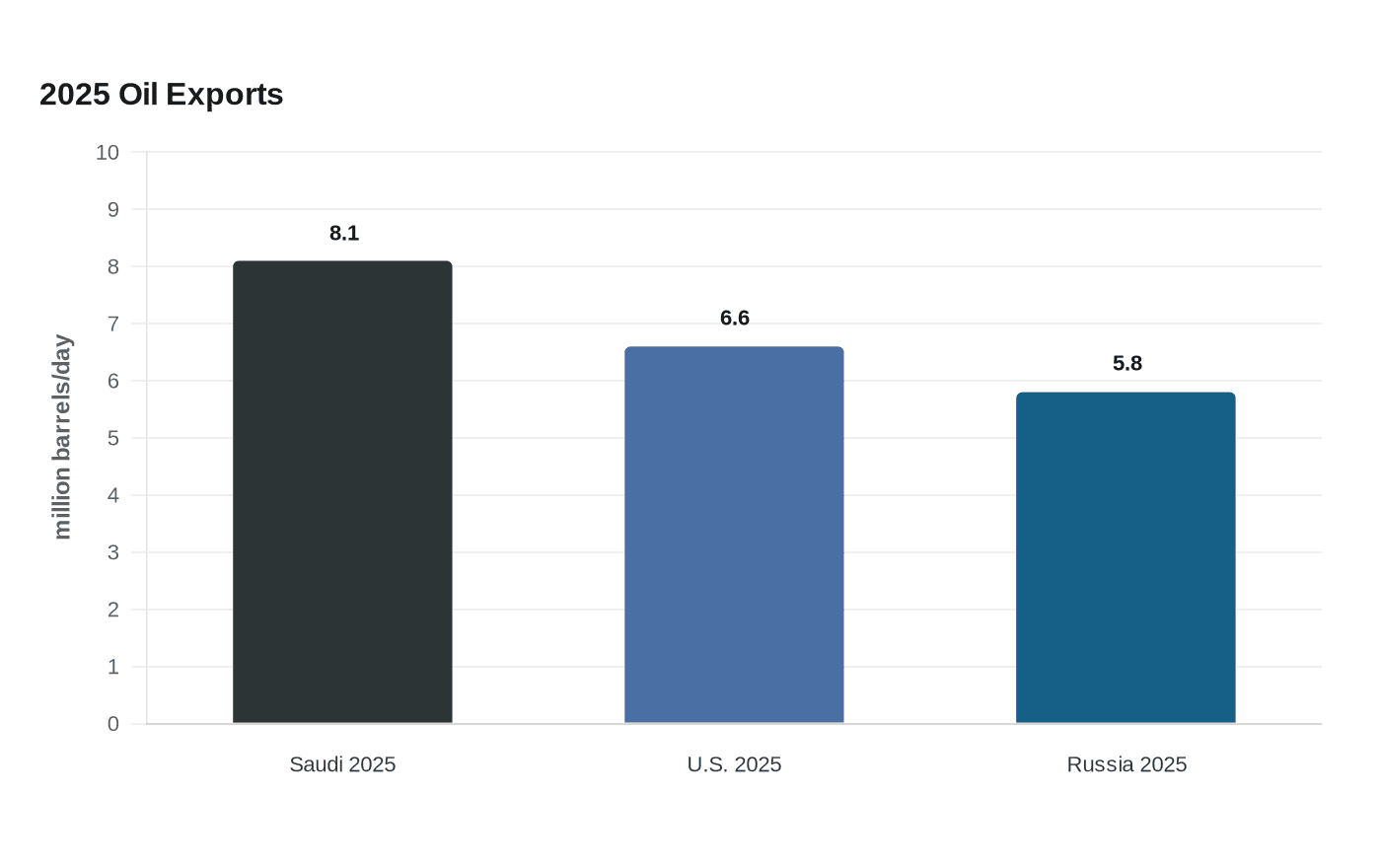
The export numbers show how far the market has shifted. U.S. crude oil exports averaged 4.0 million barrels a day in 2025, about 85 times the 2011 level, even as production rose 3% from the prior year. Ship-tracking data from Vortexa showed U.S. exports of crude and fuel climbing to about 10.5 million barrels a day in May, enough to keep the U.S. as the leading exporter for a third month in a row. Reuters calculations put Russian exports at 7 million barrels a day and Saudi exports at 5.9 million in May. For the full year 2025, Saudi Arabia exported about 8.1 million barrels a day, the U.S. 6.6 million and Russia about 5.8 million, underscoring how quickly the ranking has turned.

The latest push has come from global disruption as much as from geology. EIA’s June 2026 Short-Term Energy Outlook said very limited shipping traffic through the Strait of Hormuz led Middle East producers to cut crude production by more than 11 million barrels a day in May compared with pre-conflict levels. Russian exports have also been hit by Ukrainian drone attacks and sanctions tied to Moscow’s invasion of Ukraine. The result, according to Vortexa, has been a market shaped by geopolitical tensions, longer voyage lengths and freight volatility.
Even with that export strength, the U.S. is not insulated from oil swings. EIA said petroleum accounted for 83% of U.S. energy imports in 2025, and petroleum remained the largest source of those imports even as net energy exports hit a record 11 quads. U.S. net exports of petroleum products reached a record 5.8 million barrels a day in April and stayed close to that level in May, but domestic fuel prices still follow global benchmarks tied to world supply, shipping routes and conflict risk.
The bigger consequence is political as well as commercial. American companies now hold a stronger grip on energy markets, Washington has more leverage in sanctions and diplomacy, and allies and rivals alike must adjust to a world where U.S. barrels can partially offset disruption elsewhere. The country once defined by the Arab oil embargo is now helped by shale, strategic-reserve policy and global shortages abroad, a reversal that has reshaped the market and the geopolitics around it.
This article was produced by Prism’s automated news system from verified source data, official records, and press releases, then run through automated quality and moderation checks before publishing. The system is built and supervised by the people who set the standards it runs under. Read our full AI policy.
Know something we missed? Have a correction or additional information?
Submit a Tip