U.S. Cuts Provisional Anti-dumping Duties on Italian Pasta Exports
The U.S. Department of Commerce sharply reduced provisional anti-dumping duties for 13 Italian pasta producers after a post‑preliminary review, replacing an earlier proposal for roughly a 92% surcharge with much lower company-specific rates. The recalculation pauses any immediate tariff shock for importers and retailers while the Commerce Department continues to accept submissions ahead of a final determination set for March 12, 2026.
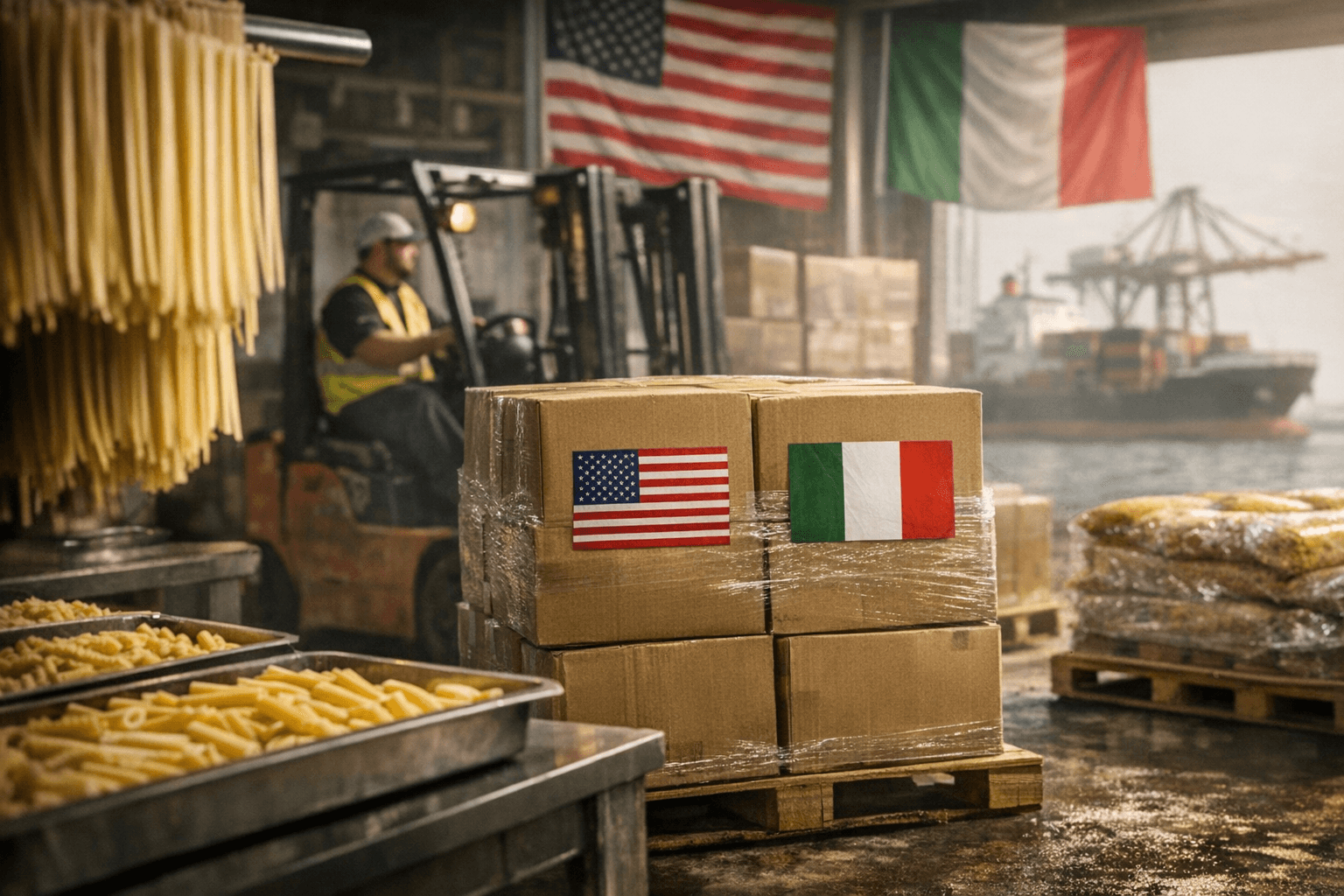
On January 1, 2026, the U.S. Department of Commerce announced a reassessment of provisional anti-dumping duties affecting 13 Italian pasta producers. The earlier, much higher provisional rate of about 92% that had alarmed exporters and buyers was replaced by lower, company-specific figures: La Molisana was reassessed to 2.26%, Pasta Garofalo to 13.98%, and the 11 other producers that were not individually sampled in the review were assigned a rate of 9.09%.
The Italian foreign ministry welcomed the adjustment, saying it reflected companies’ cooperation with U.S. authorities. The Commerce Department indicated it will continue to accept additional submissions before issuing a final determination, which is scheduled for March 12, 2026, with the possibility of an extension. Crucially, the provisional recalculation means no duty increase has yet taken effect while the administrative process continues.
This development matters because the United States is a major market for Italian pasta. Italy exported more than €4 billion of pasta in 2024, with U.S. sales valued at roughly $800 million. Had the approximately 92% surcharge been applied, importers and U.S. retailers faced the prospect of steep price rises or disruptions to supply chains that rely on Italian brands.
Practical steps for suppliers, buyers, and retailers: check existing contracts and shipment terms to clarify who bears tariff risk under different scenarios. Verify current inventory commitments and delivery schedules so pricing and promotions can be adjusted if final duties change. Consult customs brokers or trade attorneys to confirm classification and valuation practices that influence duties and to prepare any additional submissions the Commerce Department may accept. Monitor the Department of Commerce and U.S. Customs announcements closely between now and the March 12 deadline.
For producers and exporters, the reassessment underscores that engagement with U.S. investigators can affect provisional outcomes, and that further documentation may alter final results. For importers and retailers, the reduced provisional rates buy time to model pricing outcomes and explore contingency sourcing if needed.
The lower provisional rates remove an immediate, severe tariff risk, but the situation remains fluid. Track the final determination and related filings to understand the lasting impact on costs, consumer prices, and sourcing decisions for Italian pasta in the U.S. market.
Know something we missed? Have a correction or additional information?
Submit a Tip