Your Favorite Pasta Shape May Reveal More About You Than You Think
Your pasta order might be giving you away. A food analysis mapped six shapes to personality types, and the fusilli profile is surprisingly hard to argue with.
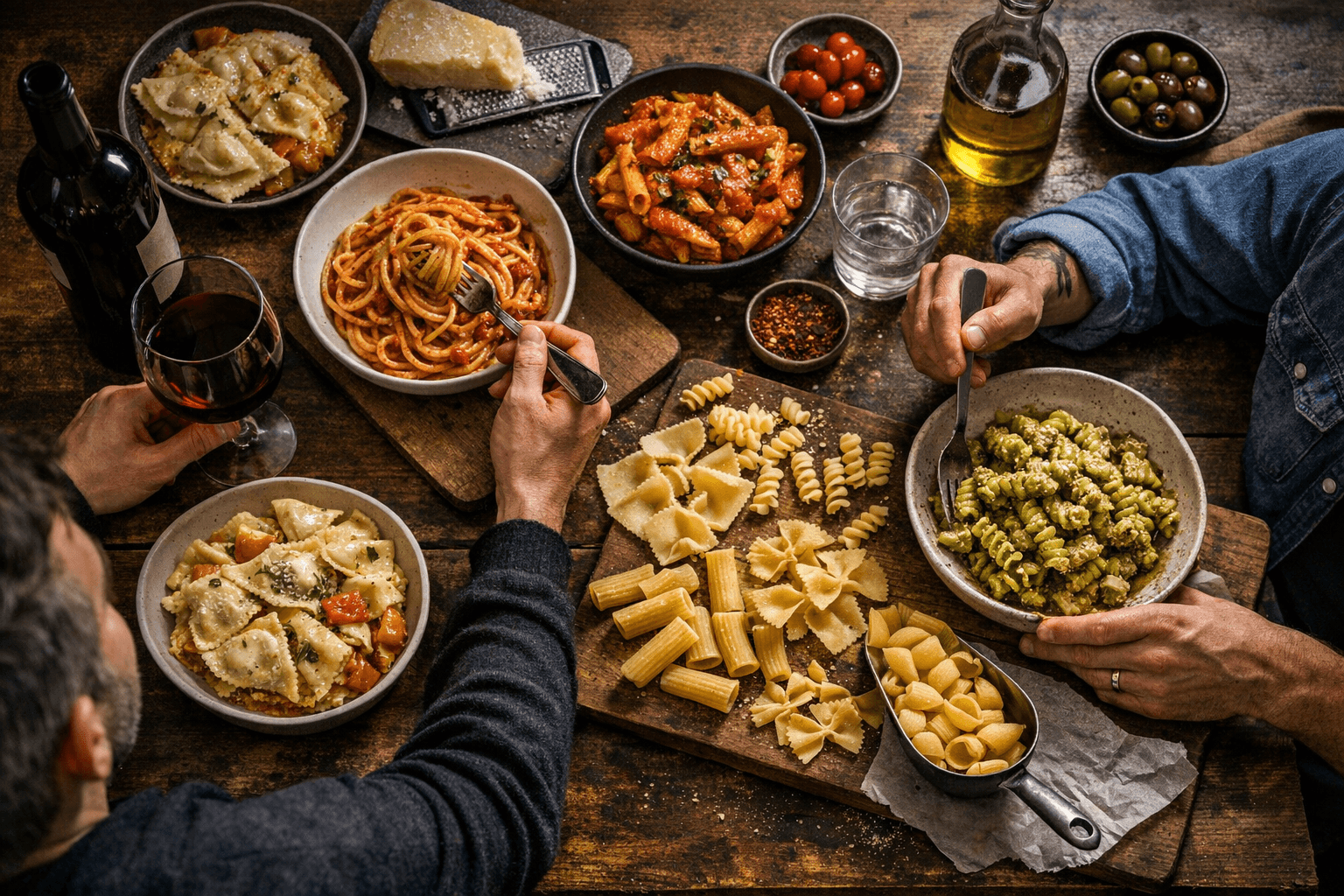
Pick a pasta shape and you've apparently handed over a personality profile. A food analysis making the rounds, shared by the Daily Mail, maps six common shapes to specific character traits in a breakdown that's lighthearted enough to dismiss and specific enough to start a genuine argument at any dinner table.
The shape-to-trait connections work like this: spaghetti lovers are warmhearted and open-minded, people who default to the classic and mean it. Penne fans are easygoing and reliable, not flashy but consistently present. Fusilli is the one worth debating: the analysis connects those spirals to a balanced, zen quality, which tracks with the shape's actual cooking behavior. The coils distribute sauce evenly across every surface, just as the personality supposedly distributes calm across a room. Rigatoni devotees come out as bold and determined, farfalle loyalists as energetic and spirited, and lasagna lovers as multi-layered and surprisingly warm once you push past the outer layers.
The practical version of this quiz is worth running at pasta night. Before anyone picks a shape, ask them to pick a sauce first. Penne people tend to reach for arrabbiata or a well-built vodka sauce: structured, with just enough heat. The farfalle crowd usually drifts toward a light cream or a primavera, which fits the bubbly, keep-things-moving profile well enough to be suspicious. Fusilli and pesto is almost too obvious, but the spiral design genuinely grips pesto better than nearly any other shape, giving the personality pairing at least one verifiable data point beyond vibes.
Tag the fusilli person in your life and see if they agree. The most revealing results tend to come from the people who insist they're a spaghetti type but always, quietly, reach for rigatoni when no one's watching.
The Daily Mail analysis made no scientific claims, which is the correct approach for a theory this useful at a dinner party. But it taps into something pasta people have clocked informally for years: shape preference is rarely random. The person who defaults to rigatoni and the person who defaults to farfalle are not the same person, and anyone who has cooked dinner for a group of six already knows it.
This article was produced by Prism’s automated news system from verified source data, official records, and press releases, then run through automated quality and moderation checks before publishing. The system is built and supervised by the people who set the standards it runs under. Read our full AI policy.
Did this article answer your question?