U.S. envoy sparks France dispute over antisemitism accusations
Charles Kushner’s attack on France’s antisemitism record triggered a summons to Quai d’Orsay and exposed how combative Trump-era diplomacy is straining a close ally.
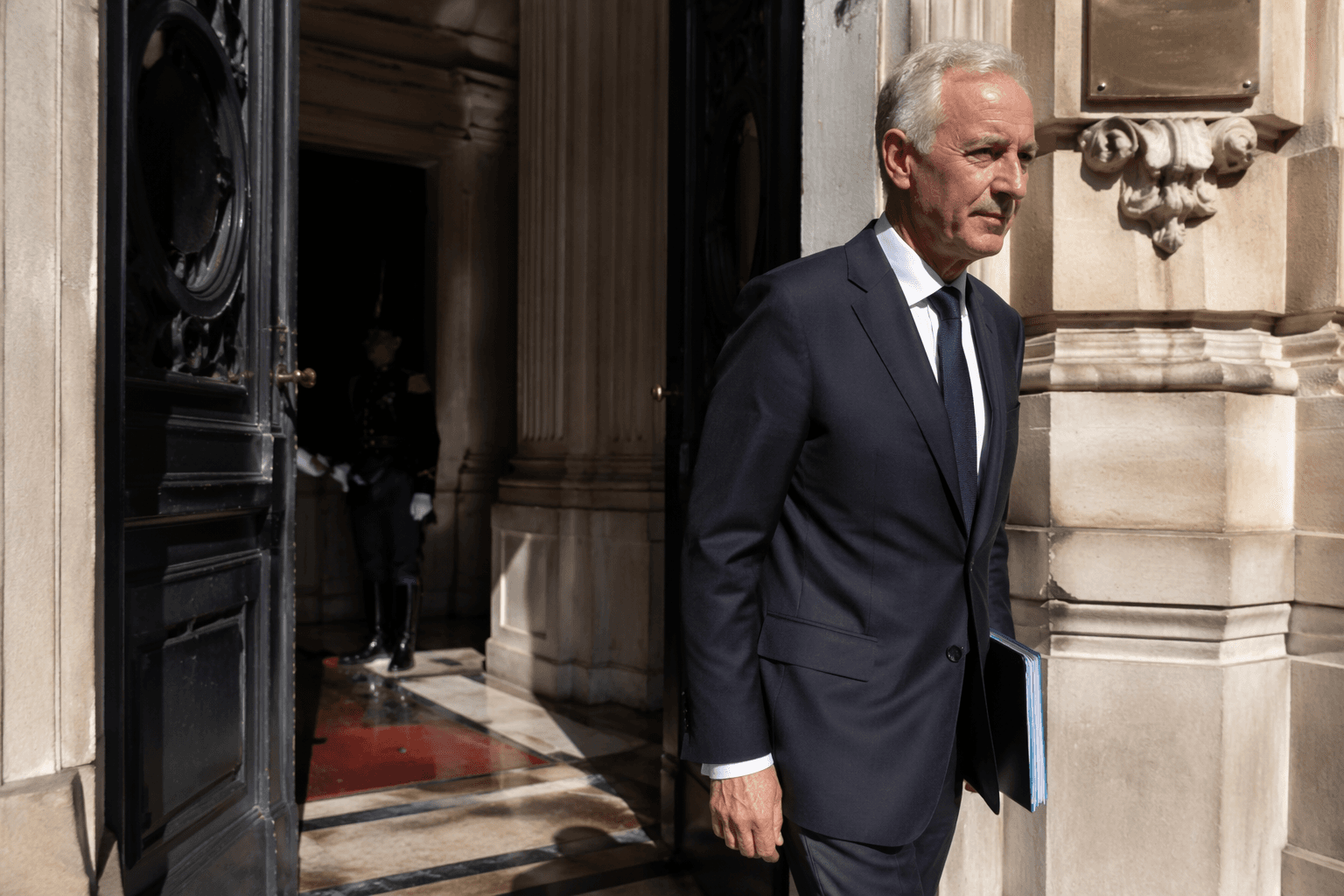
Charles Kushner turned an embassy posting in Paris into a diplomatic flashpoint, using an open letter to Emmanuel Macron to accuse France of failing to do enough against antisemitism and to argue that anti-Zionism amounted to antisemitism. France responded by summoning the U.S. ambassador in August 2025, calling the allegations unacceptable and firmly rejecting them.
The confrontation put a Trump-era political appointee at the center of a fight that went well beyond etiquette. Kushner, confirmed by the U.S. Senate in May 2025 and sworn in as ambassador to France and Monaco on July 11, 2025, arrived in Paris with baggage that critics had highlighted during his confirmation, including a 2005 conviction for tax evasion, illegal campaign donations and witness tampering. Trump pardoned him in December 2020. His appointment, and his willingness to go public against a host government, made him a symbol of the more aggressive diplomacy associated with Donald Trump.
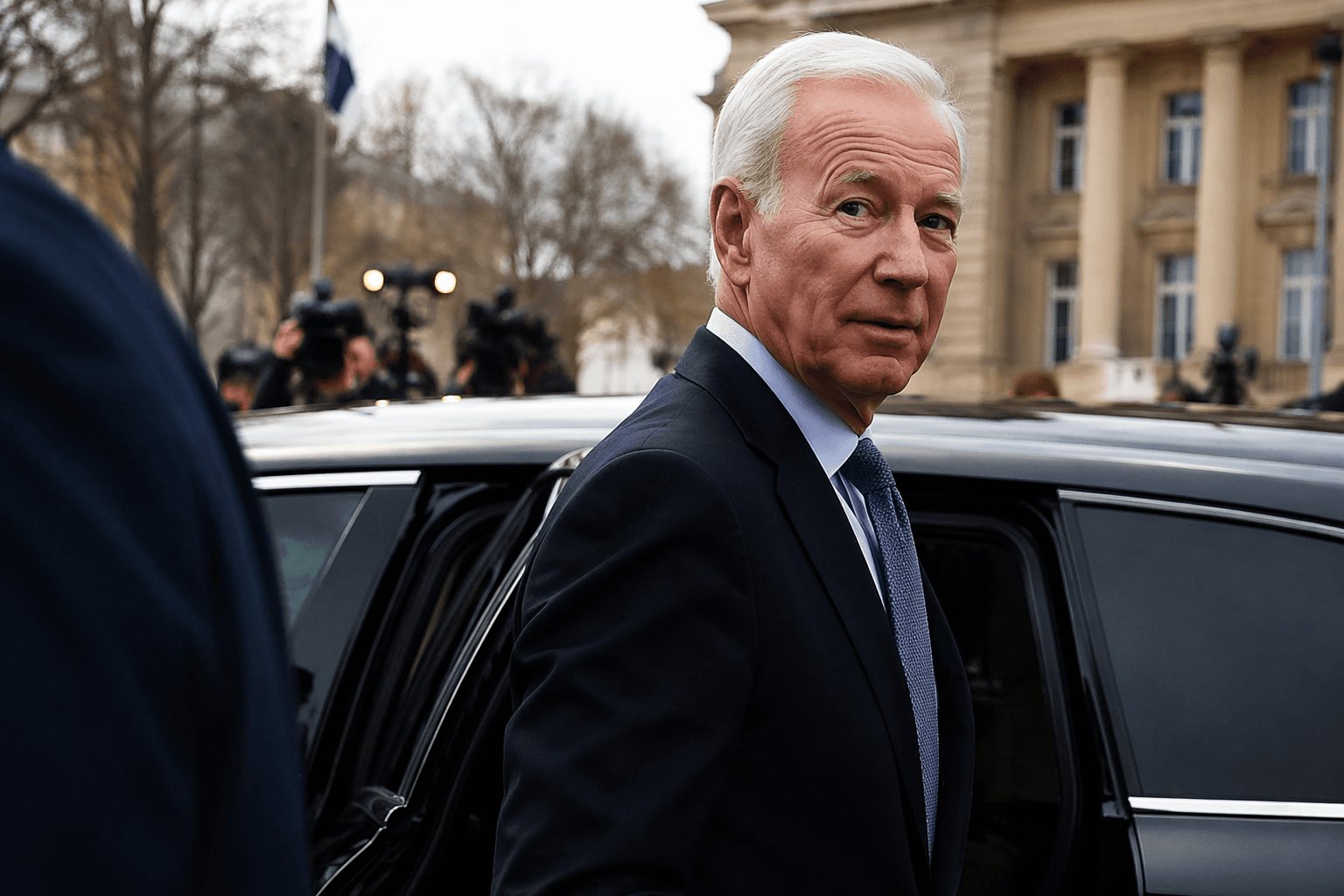
Kushner timed his warning around the 81st anniversary of the Allied Liberation of Paris, casting the city’s wartime history as a backdrop to his case that France should respond more forcefully to antisemitic violence. The move landed in a country that is home to about 500,000 Jews, the largest Jewish population in Western Europe, and where antisemitism has become a deeply sensitive political and civic issue.
The dispute also intersected with broader tensions between Washington, Paris and Jerusalem over France’s position on Palestinian state recognition and Israel’s criticism of Macron’s Middle East policy. That made Kushner’s letter more than a bilateral nuisance: it became part of a wider struggle over how the United States should pressure a major ally, and whether public confrontation strengthens diplomacy or hardens resistance.
For French officials, the answer was clear enough to warrant a summons to Quai d’Orsay. For Washington, the episode underscored how a U.S. ambassador in Paris had become a central irritant in one of America’s oldest alliances, with antisemitism policy, security ties and transatlantic trust now all pulled into the same fight.
This article was produced by Prism’s automated news system from verified source data, official records, and press releases, then run through automated quality and moderation checks before publishing. The system is built and supervised by the people who set the standards it runs under. Read our full AI policy.
Know something we missed? Have a correction or additional information?
Submit a Tip