U.S. envoys press Israel to move to second Gaza ceasefire phase
U.S. envoys press Israel to begin the second phase of a multistage Gaza ceasefire plan, which would include steps toward demilitarization and expanded humanitarian access.
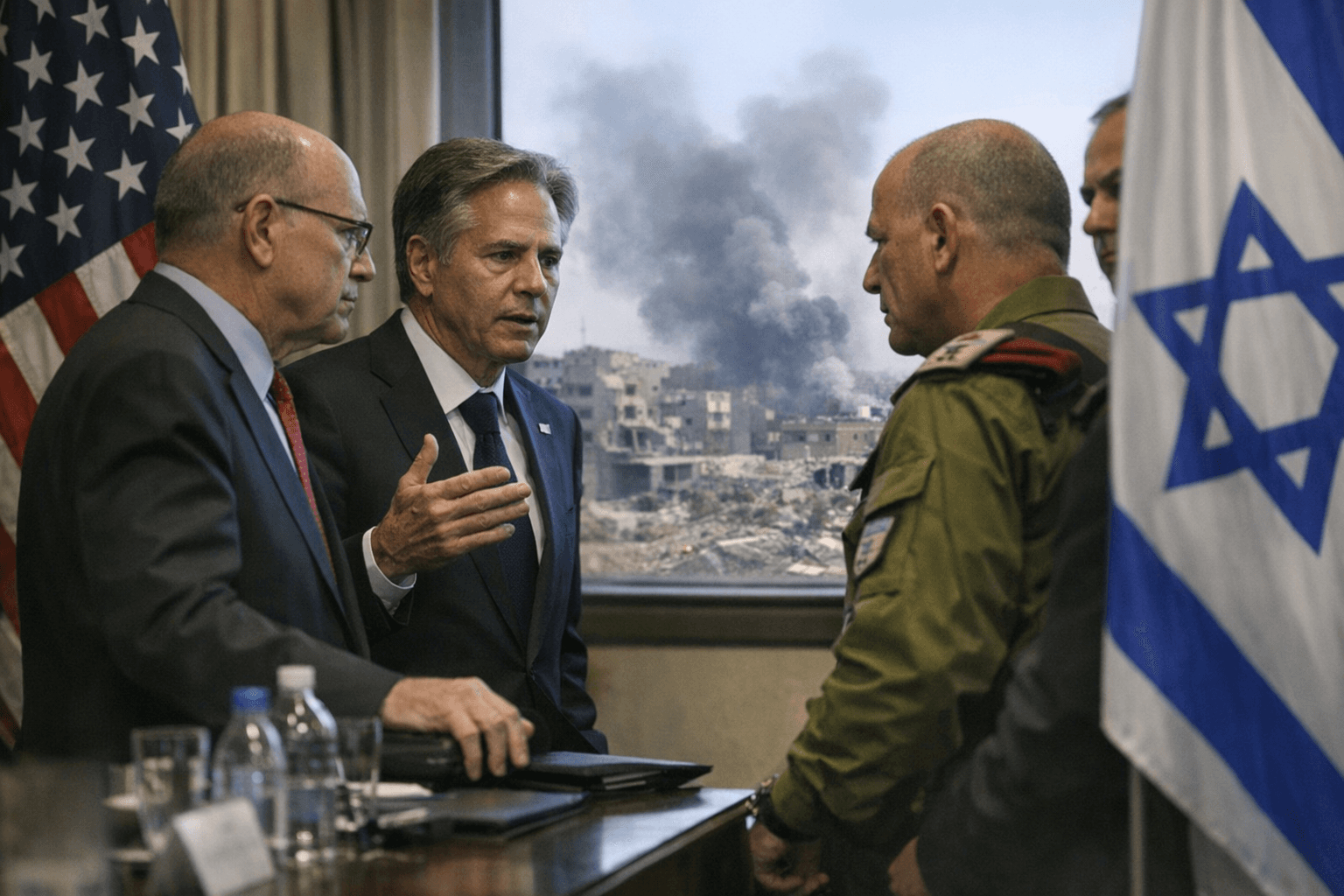
Senior U.S. envoys, including White House and administration representatives involved in Gaza negotiations, are pressing Israeli officials to transition to the second phase of a multistage ceasefire plan, officials involved in the talks say. The phase under discussion would include steps toward demilitarization, signaling a move beyond short-term pauses toward a more structural change in Gaza’s security environment.
The push reflects an urgent U.S. strategy to lock in reductions in violence while creating space for humanitarian operations and diplomatic negotiation. U.S. envoys framed the shift as necessary to prevent a wider regional spillover that could lift risk premiums for investors and destabilize supply chains sensitive to Middle East security. Administration representatives emphasized that a phased approach was designed to balance Israeli security needs with the humanitarian and political imperatives driving international concern.
Details of the second phase remain deliberately vague in public accounts, but the envoys’ message is that the multistage plan must advance beyond initial pauses to mechanisms that address the underlying drivers of conflict. The U.S. delegation has focused on sequencing - calibrating security arrangements while increasing humanitarian access and establishing verification measures that could reduce the need for large-scale military operations. Israeli officials are weighing that calculus against their stated objective of degrading militant capabilities and securing long-term protections for civilians.
Policy analysts say the U.S. push highlights Washington’s dual obligations: to support Israel’s security and to limit civilian harm and regional escalation that could affect broader U.S. interests. Moving to a phase that includes demilitarization raises immediate enforcement questions: which actors would verify compliance, how disarmament would be carried out in practice, and what political arrangements would follow. Those implementation challenges will determine whether the second phase produces a durable reduction in violence or merely a pause that masks continued insecurity.
The diplomatic effort also has clear economic implications. A credible, sustained de-escalation would reduce regional risk premiums, help stabilize investor sentiment in nearby markets, and support reconstruction planning for Gaza that many economists say will require major, long-term funding. Conversely, if talks stall, financial markets are likely to react to renewed uncertainty in energy, shipping, and regional investment flows. Sovereign and corporate risk assessments across the region typically factor in conflict duration and scope, and investors watch ceasefire durability as a key signal for capital allocation.
Domestic politics in both Washington and Jerusalem are an undercurrent to the negotiations. U.S. envoys must reconcile congressional scrutiny and public pressure with diplomatic urgency; Israeli leaders must weigh security demands against international and humanitarian pressures. The coming days will test whether the multistage framework moves from a negotiated theory into practical measures on the ground. How verification, reconstruction financing, and security arrangements are sequenced will determine whether the second phase can deliver both immediate relief for civilians and a pathway to longer-term stability.
This article was produced by Prism’s automated news system from verified source data, official records, and press releases, then run through automated quality and moderation checks before publishing. The system is built and supervised by the people who set the standards it runs under. Read our full AI policy.
Did this article answer your question?


