U.S.-Iran clash over Strait of Hormuz blockade threatens global oil flows
A U.S. blockade of the Strait of Hormuz and Iran’s counterthreats jolted a waterway that carries a fifth of the world’s oil and most of Iran’s seaborne trade.
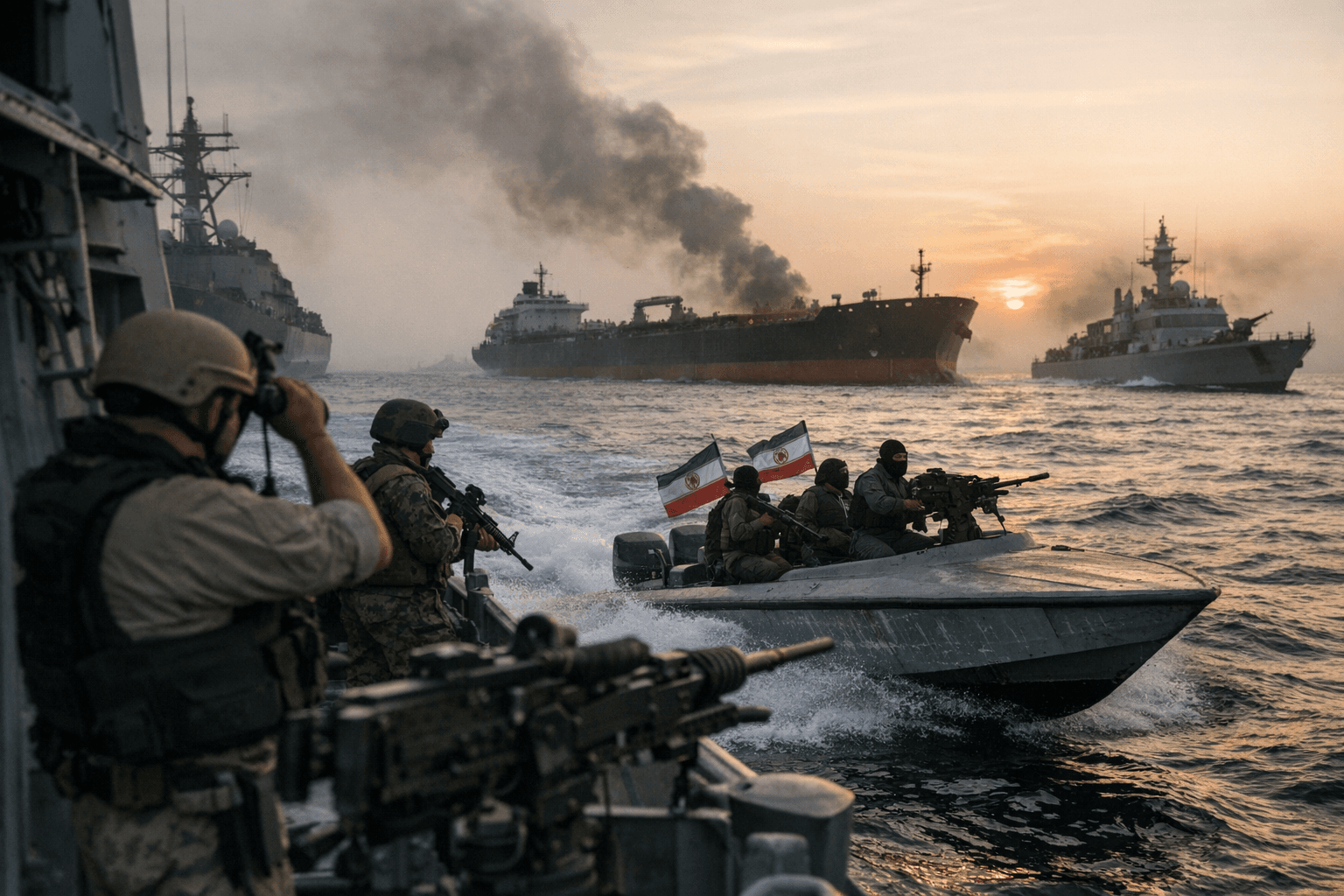
The fight over the Strait of Hormuz has moved from a military standoff to a threat against the global economy. Donald Trump ordered a U.S. Navy blockade on April 13, saying it would cover “any and all Ships trying to enter, or leave, the Strait of Hormuz” until Tehran reached an agreement with Washington. Iran answered by saying the strait remained open to commercial traffic, then reversed course and said it would again restrict shipping while the U.S. blockade of Iranian ports remained in place.
The stakes are immediate. The Strait of Hormuz carries about a fifth of the world’s oil, and more than 90% of Iran’s $109.7 billion in annual seaborne trade passes through it. One analyst estimated the blockade could cost Iran about $435 million a day, a hit that would ripple through shipping markets, energy prices and the wider Persian Gulf economy. The confrontation also tests the credibility of U.S. deterrence at a chokepoint where even a short disruption can quickly become a global problem.
The cease-fire itself looked increasingly fragile as the two sides traded fresh accusations on Sunday, with the two-week truce set to expire Wednesday, April 22. Pakistan was involved in efforts to extend it. Trump accused Iran of firing on ships passing through the strait, while Iran said the U.S. blockade violated their deal and amounted to a war crime. Iranian military officials said control of the waterway had returned to “strict management and control” of the armed forces, and warned that vessels approaching could be treated as cooperating with the enemy and targeted.
The shipping warnings were not abstract. The United Kingdom Maritime Trade Operations center said Revolutionary Guard gunboats fired on a tanker and that an unknown projectile damaged a container ship. The United Nations maritime agency chief said no country had a legal right to block shipping in the strait, underscoring the legal dispute now running alongside the military one. Iran has threatened to close or disrupt the corridor in past confrontations, and British officials have previously offered Royal Navy escorts after Iranian seizures in the area, a sign that one misread move in the Strait of Hormuz can still escalate far beyond the immediate battlefield.
This article was produced by Prism’s automated news system from verified source data, official records, and press releases, then run through automated quality and moderation checks before publishing. The system is built and supervised by the people who set the standards it runs under. Read our full AI policy.
Did this article answer your question?


