U.S., Iran scale back nuclear talks, seek temporary memorandum in Islamabad
U.S. and Iranian negotiators in Islamabad narrowed their aims to a 60-day memorandum, leaving uranium removal, sanctions relief and enrichment limits unresolved.
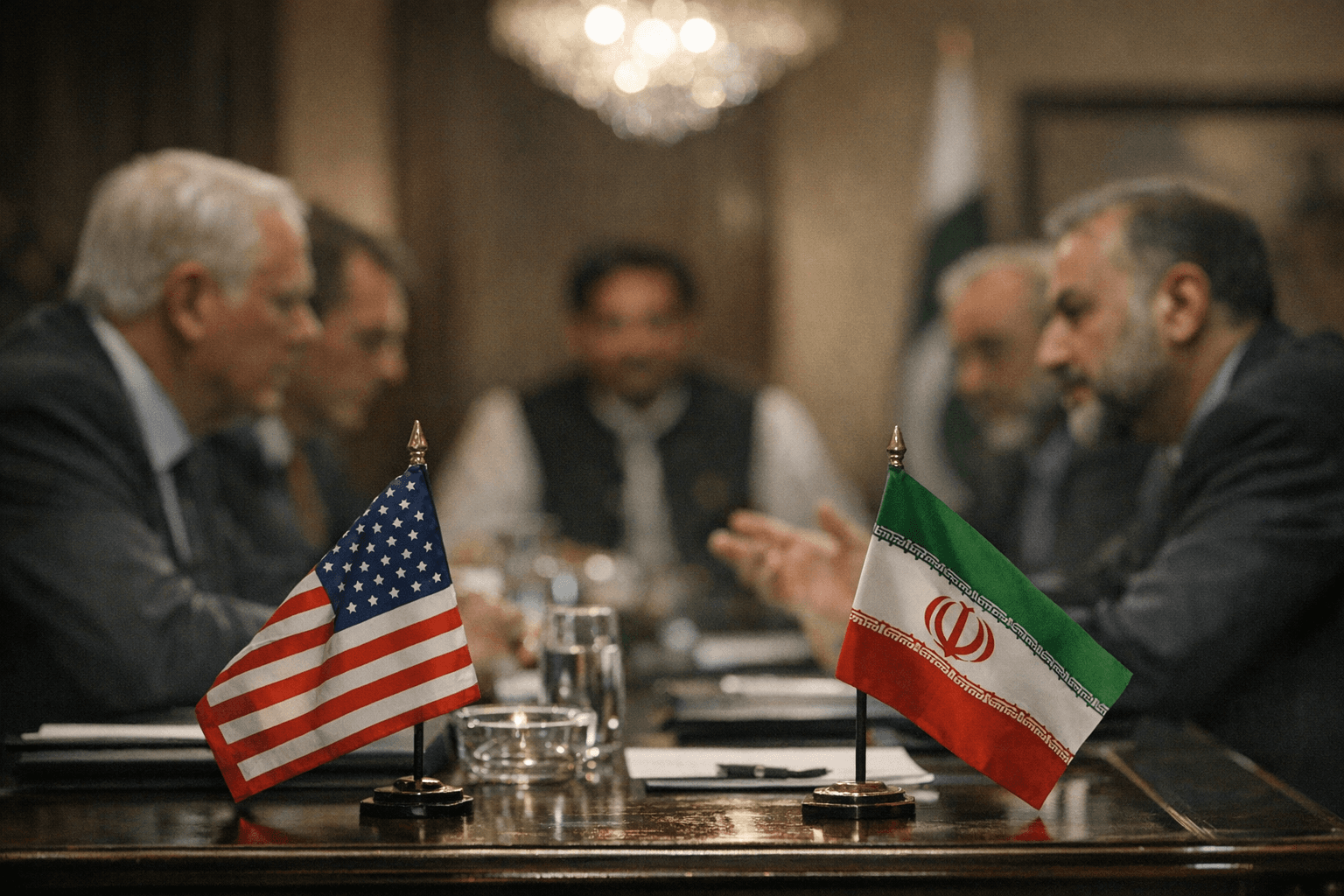
U.S. and Iranian negotiators left Islamabad with a smaller goal and a bigger list of risks. After two days of talks at the Serena Hotel, the sides moved away from a comprehensive settlement and toward a temporary memorandum that would buy time, not resolve the core fight over Iran’s nuclear program.
The talks on April 11 and 12 brought together the highest-level U.S.-Iran contact since Iran’s 1979 Islamic Revolution and the first direct encounter between officials from the two countries in more than a decade. Vice President JD Vance led the U.S. side, while Iranian parliamentary speaker Mohammad Baqer Qalibaf headed the Iranian delegation, with Pakistani mediators shuttling between rooms as the discussion grew tense. The talks came “very close” and were “80% there” before stalling, according to the reporting, a sign of how much had been left unresolved even as both sides tried to avoid a breakdown.
The stopgap now under discussion would not settle the questions that have made the talks fragile. The main dispute is over Iran’s enriched uranium stockpile and the length of any halt to nuclear work. Washington wants Iran’s stockpile of highly enriched uranium removed and is seeking a 20-year pause in enrichment. Tehran says it wants to preserve some right to enrich uranium for peaceful purposes and wants a much shorter freeze. A Western diplomat called the nuclear issue a “core obstacle.” If a memorandum is reached, the sides would have 60 days to negotiate a final deal with expert and International Atomic Energy Agency involvement.
The immediate stakes go beyond centrifuges and enrichment levels. The talks also touched on the Strait of Hormuz, a waterway that carries roughly one-fifth of the world’s oil and gas flow. Iranian sources said the draft would include unfreezing some Iranian funds in exchange for allowing more ships through the strait, while another source briefed by Tehran said Iran might let vessels sail freely through the Omani side of the waterway if a durable deal is reached. That arrangement would ease pressure quickly, but it would also leave sanctions relief, shipping access and maritime security tied to a fragile diplomatic timetable.
Verification remains a central problem. In a February 27, 2026 report, the International Atomic Energy Agency said Iran’s total enriched uranium stockpile stood at 8,294.4 kg as of February 8, 2025. The agency has said most of Iran’s highly enriched uranium was stored at an underground tunnel complex at Isfahan, and it withdrew all inspectors from Iran by the end of June 2025 after attacks on nuclear facilities. The last full nuclear accord, the Joint Comprehensive Plan of Action, was agreed on July 14, 2015, with Security Council Resolution 2231 following on July 20, 2015, before the United States withdrew on May 8, 2018. That history hangs over the new talks, which now look less like a breakthrough than a brief effort to freeze a crisis before it spreads.
This article was produced by Prism’s automated news system from verified source data, official records, and press releases, then run through automated quality and moderation checks before publishing. The system is built and supervised by the people who set the standards it runs under. Read our full AI policy.
Know something we missed? Have a correction or additional information?
Submit a Tip