US-Iran Talks Collapse, Raising Risks for Markets and Energy Flows
Failed U.S.-Iran talks jolted markets, lifting the dollar and reviving fears that oil flows through the Strait of Hormuz could snap back into crisis.
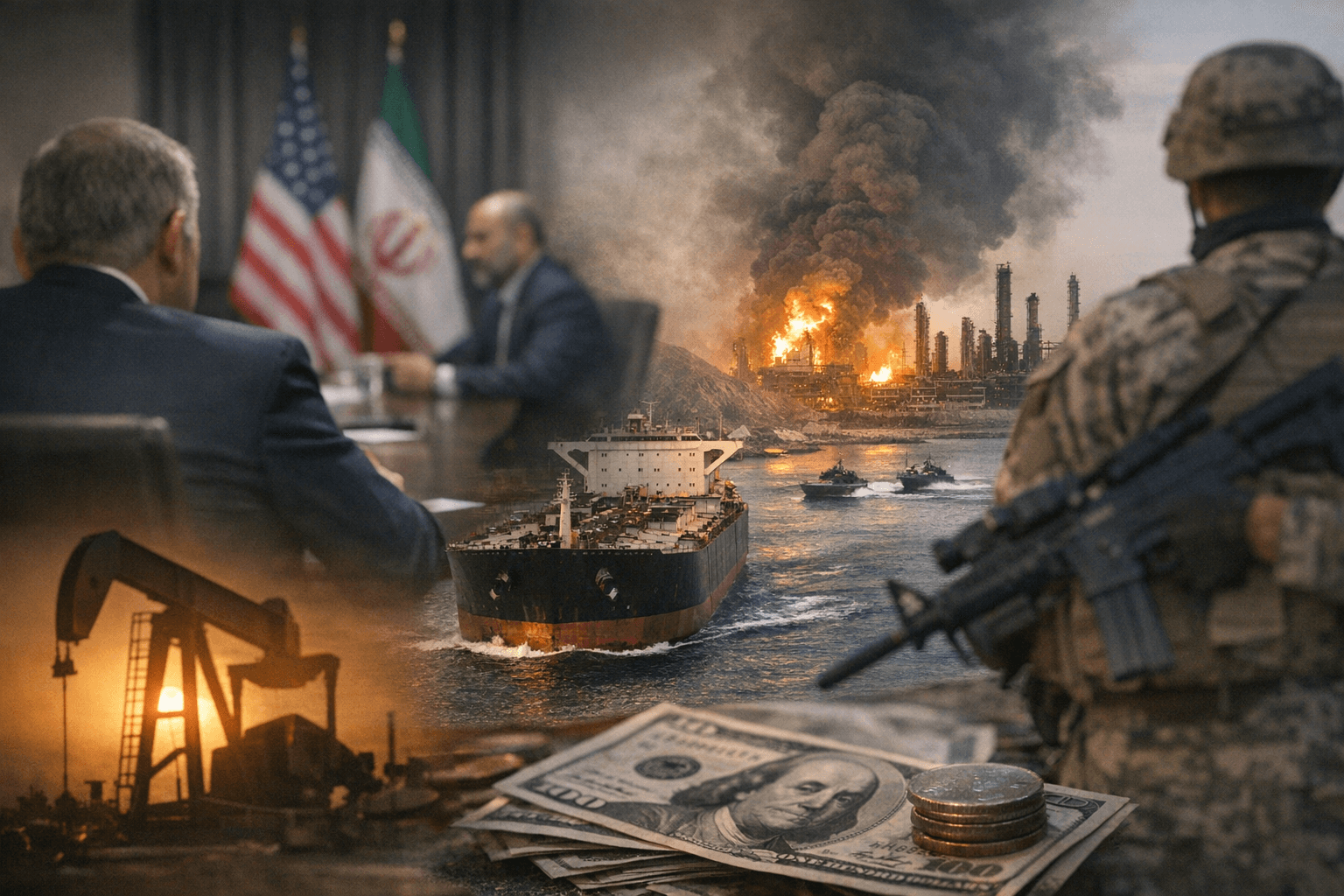
The collapse of weekend U.S.-Iran peace talks put traders back on alert for the same thing markets had briefly escaped from: a fresh energy shock that could push oil higher, lift inflation expectations and punish stocks at Monday’s open. The failed negotiations revived concern that the fragile two-week ceasefire, set to expire on April 22, 2026, may not hold.
Equities were subdued as the talks in Pakistan ended without agreement, while the dollar strengthened in early trading as investors moved toward safer assets. That shift mattered because the ceasefire had only days earlier triggered a relief rally, pushing the Bloomberg Dollar Spot Index down 0.8%, its worst day since January, while stocks climbed and oil prices fell. The latest breakdown threatened to unwind that move.
The market fear is straightforward: if the truce fails, the conflict can again spill into energy infrastructure and shipping routes, with the Strait of Hormuz at the center of the risk. Disruptions there would not stay local. They would ripple through global trade, squeeze energy supplies and keep pressure on gasoline, freight and broader inflation readings. The Guardian said the collapse of talks heightened fears of a prolonged energy shock, and traders in precious metals were also watching for volatility in gold and silver as they digested the fallout and incoming inflation data.
The talks failed against a backdrop of a conflict that has already redrawn market assumptions. The ceasefire announced on April 8 followed six weeks of war that killed thousands and sparked a global energy crunch. Reuters said by April 10 that U.S. inflation data had surged in line with expectations amid soaring energy prices, underscoring how quickly geopolitical risk was already feeding into prices consumers and investors watch closely.
The latest setback also raised questions about whether diplomacy can move fast enough before the April 22 deadline. The New York Times said the breakdown followed a threat from Donald Trump to blockade the Strait of Hormuz if the route remained shut, while both sides left open the possibility of more negotiations. That keeps the door open, but it does little to reduce the immediate market question now hanging over Monday trading: whether the ceasefire can be converted into a durable deal, or whether oil, currencies and risk assets are headed back under pressure.
This article was produced by Prism’s automated news system from verified source data, official records, and press releases, then run through automated quality and moderation checks before publishing. The system is built and supervised by the people who set the standards it runs under. Read our full AI policy.
Did this article answer your question?


