U.S. lets Venezuela pay lawyer defending Maduro in drug case
Washington bent its Venezuela sanctions to let Nicolás Maduro pay his lawyer, a narrow exception that puts due process inside a geopolitical fight.
Washington agreed to modify its sanctions on Venezuela so the Maduro government can pay the legal bill for Nicolás Maduro, a rare carve-out that exposes the tension between punishment and procedure. The move gives Caracas a narrow path to fund the defense of a sitting president accused by the United States of narco-terrorism and drug trafficking, even as sanctions against his government remain in place.
The change came after the Treasury Department had blocked Venezuela from paying Maduro’s defense costs. Barry Pollack, Maduro’s lawyer, raised the issue before a Manhattan federal judge on February 25, arguing that the payment freeze interfered with Maduro’s right to counsel and due process. On March 26, U.S. District Judge Alvin Hellerstein questioned the government’s justification for the block but stopped short of throwing out the case, turning what began as a sanctions dispute into a live procedural fight.
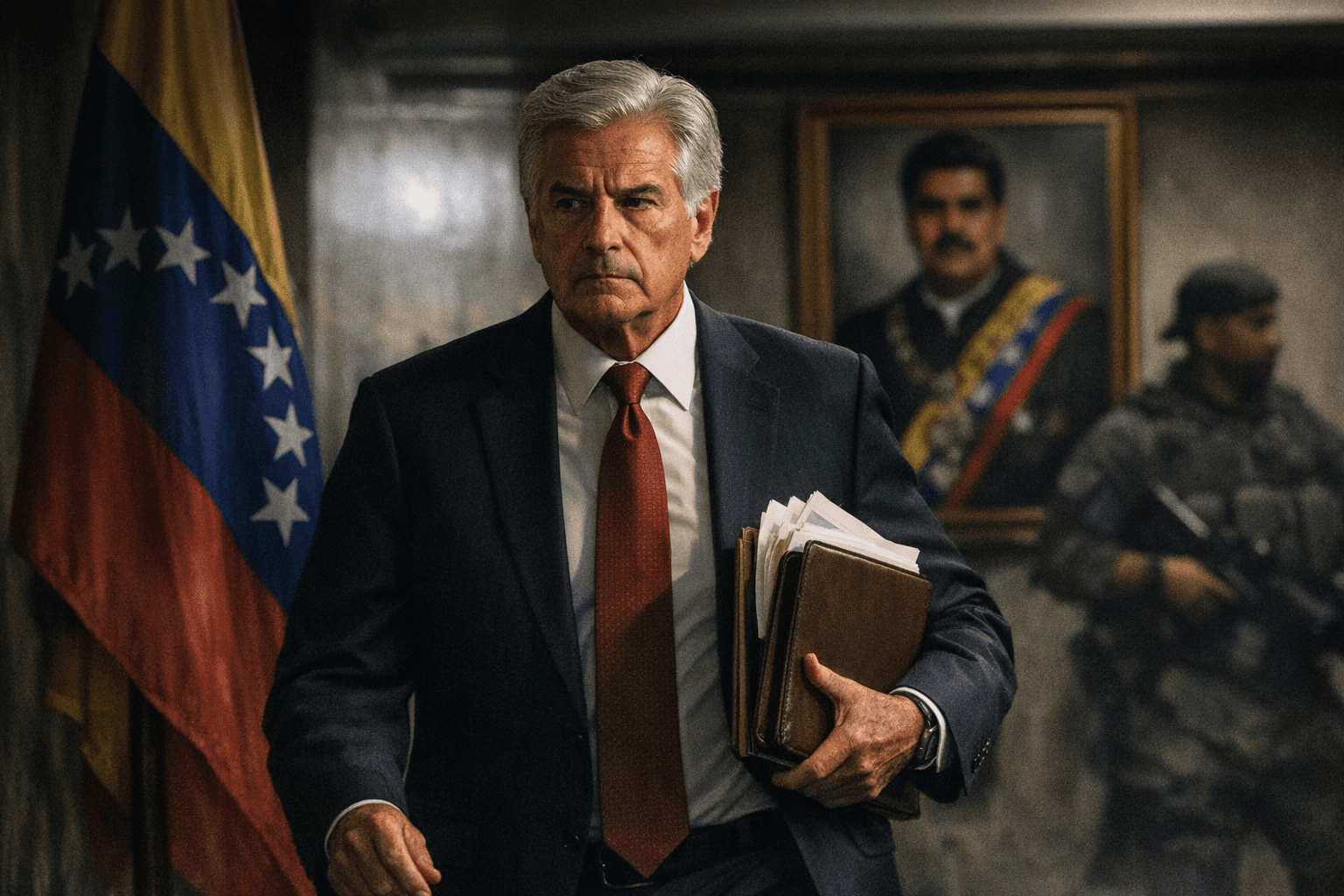
Maduro, 63, and Cilia Flores, 69, were brought to New York by U.S. military forces in early January and later appeared in Manhattan federal court. At their January 5 arraignment, both pleaded not guilty. The underlying case dates to March 26, 2020, when the Justice Department announced charges against Maduro and 14 current and former Venezuelan officials, accusing them of narco-terrorism, drug trafficking, corruption and related crimes. Prosecutors alleged that Maduro and others worked with the Fuerzas Armadas Revolucionarias de Colombia, or FARC, and used cocaine as a weapon to flood the United States.
The legal-fees decision shows how U.S. sanctions policy can bend when it collides with constitutional rights and courtroom mechanics. Treasury’s Office of Foreign Assets Control has kept Venezuela under a shifting sanctions regime, and its Venezuela program has been updated repeatedly in 2026, including new general licenses and guidance on April 14. In practice, that means Washington is still pressing Maduro politically while making room for the basic machinery of a criminal defense.
For Caracas, the carve-out can be framed as a due-process necessity. For critics, it is another sign that sanctions against Maduro are being managed case by case, with courts, Treasury officials and prosecutors all operating on parallel tracks. The result is a policy that keeps the pressure on Venezuela’s leadership while acknowledging that even an adversary accused of serious crimes still gets a lawyer.
This article was produced by Prism’s automated news system from verified source data, official records, and press releases, then run through automated quality and moderation checks before publishing. The system is built and supervised by the people who set the standards it runs under. Read our full AI policy.
Did this article answer your question?