U.S. missile defense stocks strain under Iran war demand and slow production
U.S. allies bought billions in air-defense gear as the Pentagon’s own interceptor stocks thinned, with some inventories measured in the low hundreds.
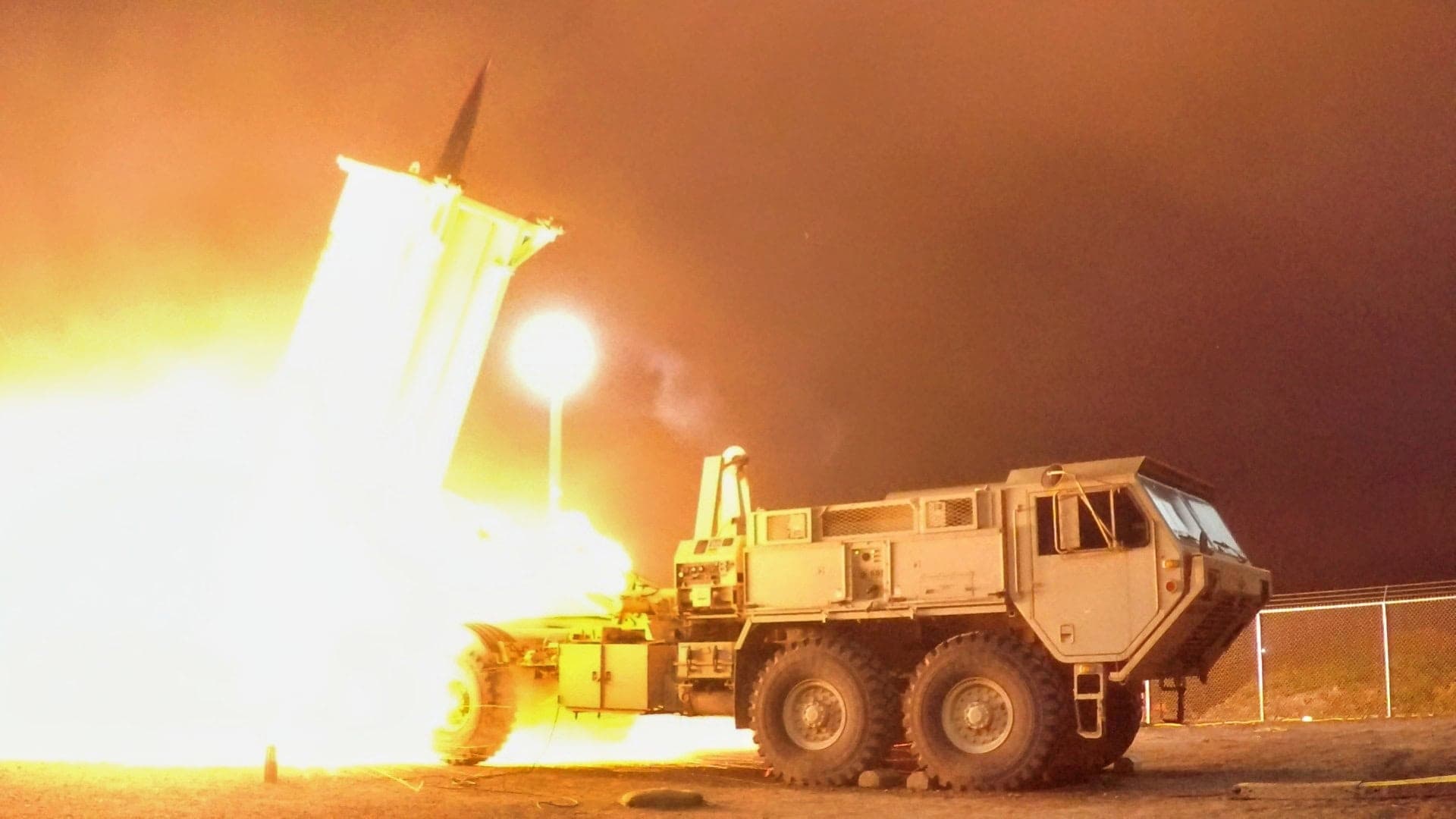
The United States was selling more missile-defense hardware abroad just as the war with Iran was draining the same interceptors from American stocks, sharpening a central question in Washington: whether these Gulf sales strengthened deterrence and burden-sharing, or exposed a dangerous gap in U.S. readiness and industrial capacity.
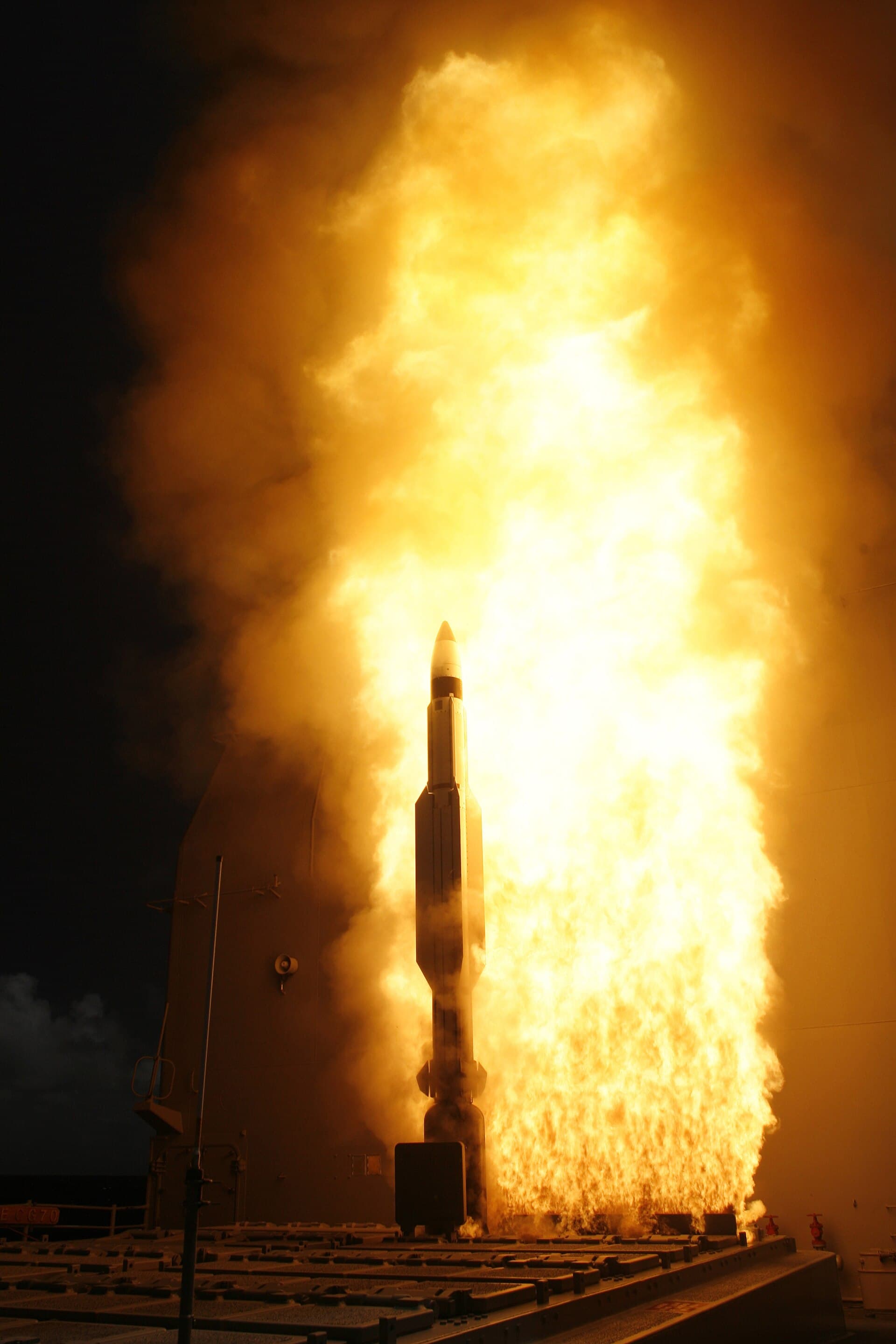
Analysts said the strain was real. The Center for Strategic and International Studies estimated that as of December 2025, the U.S. Missile Defense Agency held about 414 SM-3 interceptors and 534 THAAD interceptors. In the first six days of Operation Epic Fury, CSIS-linked estimates put U.S. use at between 100 and 150 THAAD interceptors and around 80 SM-3s in support of Israel, with an unknown number of Patriot interceptors also fired to defend Al Udeid Air Base in Qatar. CSIS warned that more than 150 THAAD interceptors would amount to roughly 30% of the stockpile. Kelly Grieco of the Stimson Center put the underlying problem bluntly: “You can’t replace those kinds of missiles overnight.”
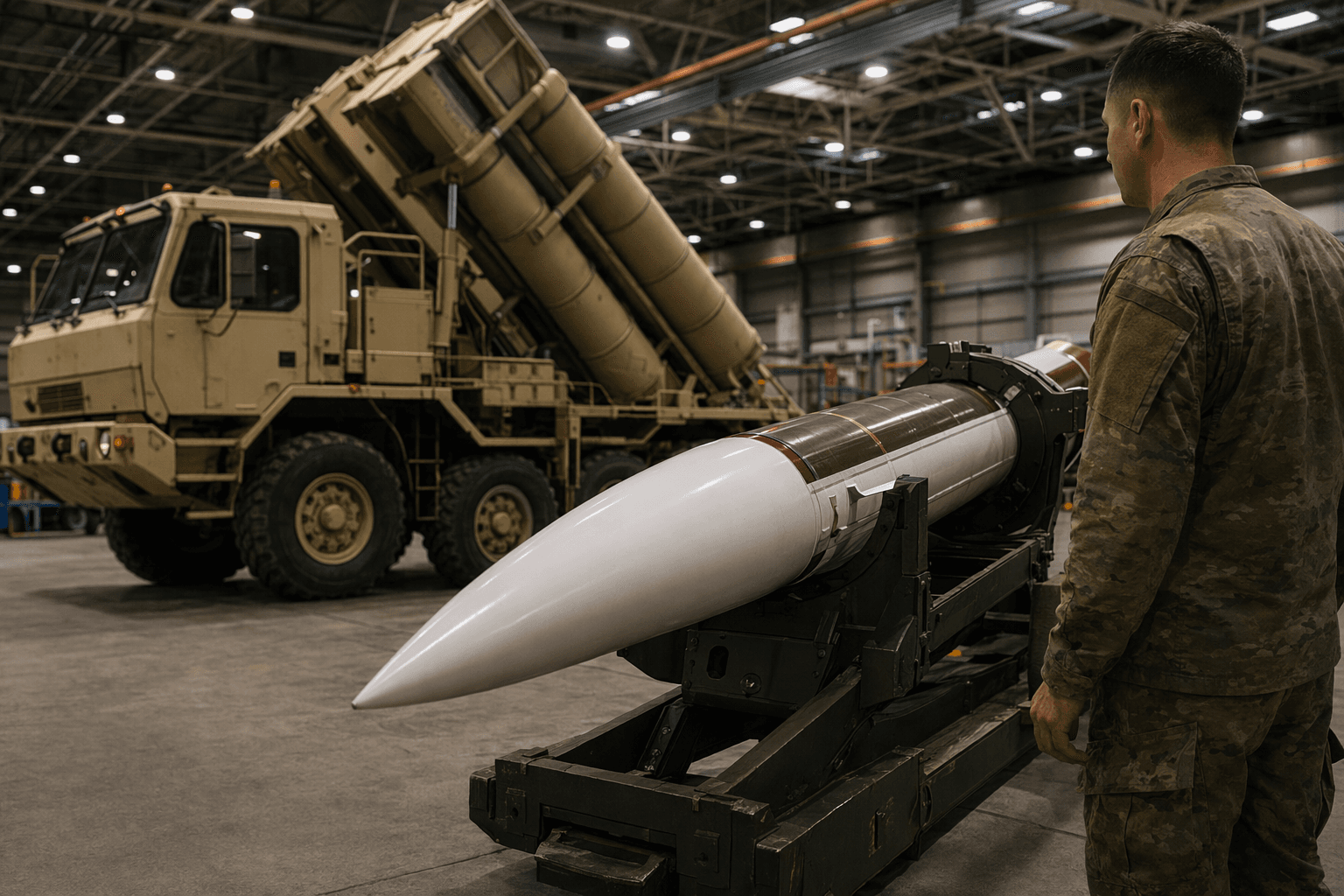
Production had not caught up. Lockheed Martin said in January 2026 that it had agreed to a seven-year deal to produce about 2,000 PAC-3 MSE missiles a year after increasing PAC-3 production by more than 60% over the prior two years. Even so, the 2026 Defense Department budget request called for only 25 THAAD interceptors with discretionary funds and 12 more with reconciliation funding, underscoring how slowly the system was being replenished. Military Times reported that experts warned the finite interceptor stockpile could be strained, and potentially exhausted, if the conflict dragged on. A Stimson Center expert said rebuilding the stocks would take years.
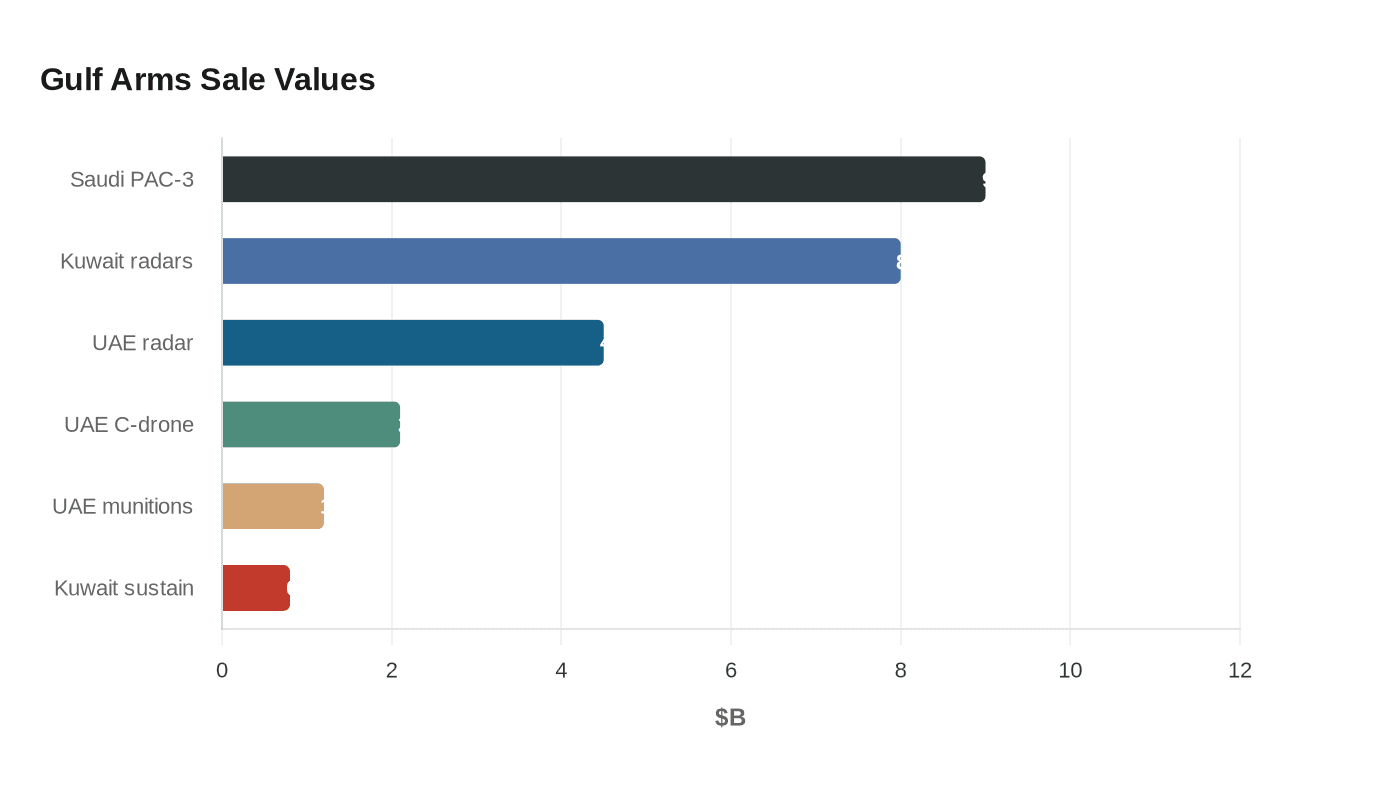
At the same time, the State Department moved fast to arm Gulf partners facing the same threat environment. On March 19, it approved emergency Foreign Military Sales totaling more than $16.5 billion for Kuwait, the United Arab Emirates and Jordan, and said the emergency allowed it to waive normal congressional review requirements. Kuwait’s package included up to eight Lower Tier Air and Missile Defense Sensor radars valued at $8 billion. The UAE package included a $4.5 billion long-range radar and THAAD-related equipment, $2.1 billion in counter-drone systems, $1.2 billion in air-to-air missiles and $644 million in F-16 munitions and upgrades.
The urgency did not stop there. On May 1, the State Department notified Congress of more Gulf sales, including Kuwait’s Integrated Battle Command System, Qatar’s Patriot Missile Replenishment, Qatar’s Advanced Precision Kill Weapons System and the UAE’s Advanced Precision Kill Weapons System. Earlier in 2026, Washington had already approved a possible $9.0 billion sale of Patriot PAC-3 MSE missiles to Saudi Arabia on January 30 and a possible $800 million Patriot sustainment package for Kuwait on January 14.
The Gulf demand reflected a harsher regional balance sheet. The UAE reported Iranian missile and drone attacks, and Kuwait suffered a deadly drone strike on a U.S. command center. Those attacks made the case for faster replenishment, but they also underlined the strategic trade-off: every interceptor sent abroad helped allies harden their defenses, while every round fired in the war made America’s own inventory a little harder to restore.
This article was produced by Prism’s automated news system from verified source data, official records, and press releases, then run through automated quality and moderation checks before publishing. The system is built and supervised by the people who set the standards it runs under. Read our full AI policy.
Did this article answer your question?


