U.S. oil reserve falls to lowest level since 1983 after drawdowns
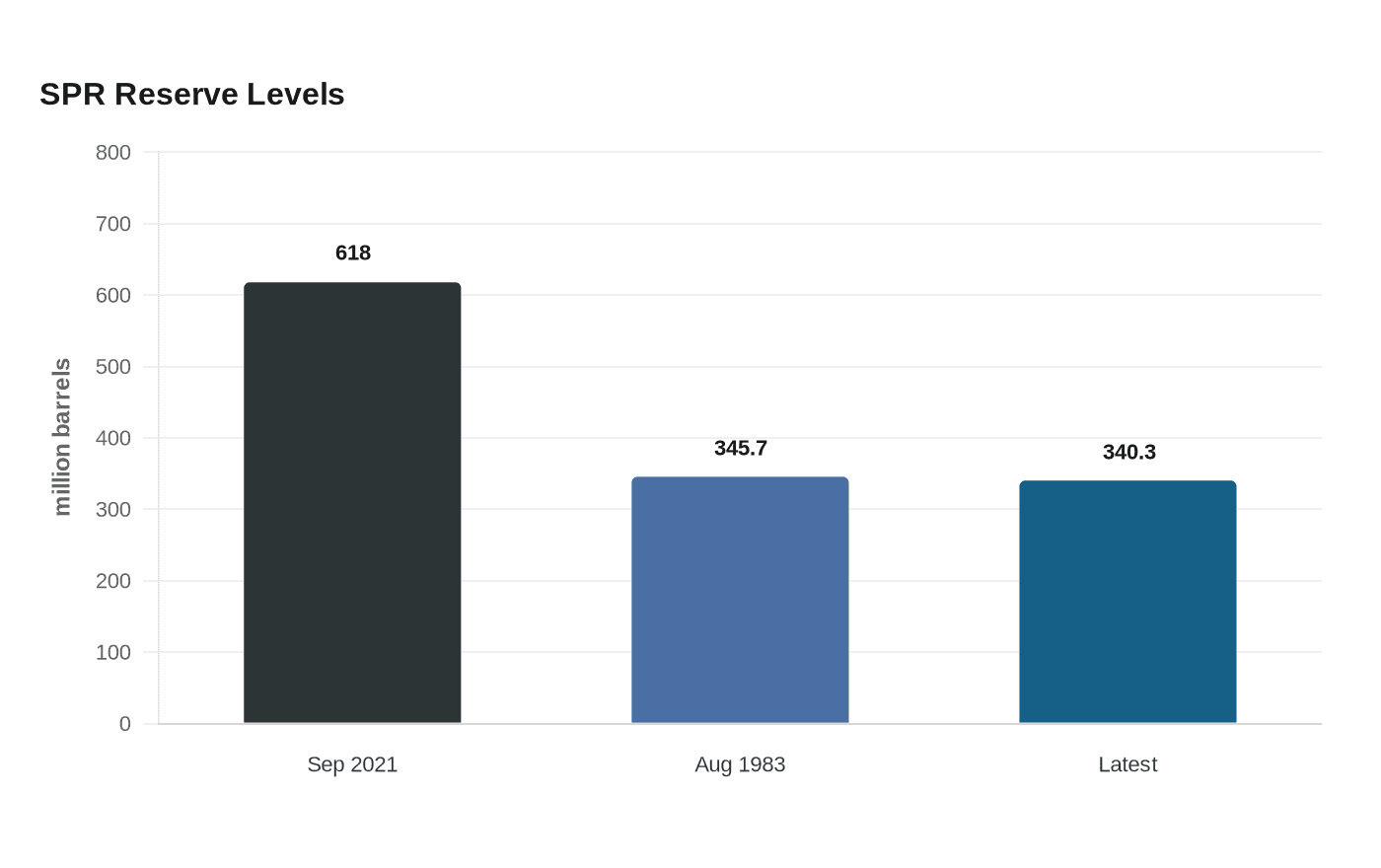
The emergency oil buffer fell to 340.3 million barrels, below its 1983 low, leaving the U.S. with less protection if another shock hits fuel markets.
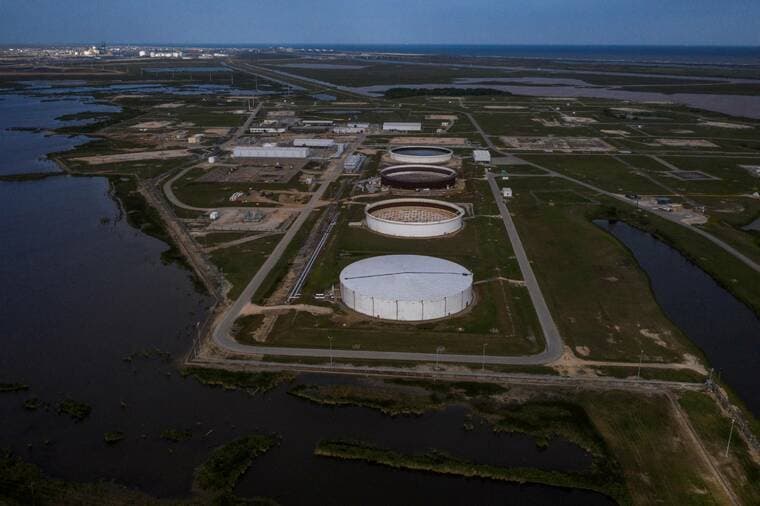
The U.S. Strategic Petroleum Reserve has been pushed to 340.3 million barrels, its lowest level since 1983, leaving Washington with less emergency firepower just as a new supply shock could send fuel prices sharply higher. The latest reading was down 8.9 million barrels, the third-steepest draw on record, underscoring how heavily the reserve has been used to steady energy markets.
The reserve is the federal government’s emergency crude stockpile, built to cushion the country against wars, hurricanes, and other disruptions that can choke off oil supplies. The Department of Energy says its exchange program lets refiners borrow crude in an exigent circumstance and later return it in full, plus a premium of extra oil, a structure meant to bridge crises without turning the stockpile into a permanent price-setting tool.

That makes the current level especially notable because it has slipped below the previous low of 345.7 million barrels recorded in August 1983, according to historical Energy Information Administration data. Congress has previously said the largest emergency drawdown ended in January 2023, when the Energy Department finished releasing about 180 million barrels. The Biden administration also announced plans in 2022 to release up to 260 million barrels from October 2021 through October 2022, when the reserve began near 618 million barrels at the end of September 2021. Republicans criticized those large sales as political, while the Biden administration denied that charge.
The pressure on the reserve came as the United States and Iran agreed on a deal expected to end the war and reopen the Strait of Hormuz, the narrow waterway that carries roughly one-fifth of the world’s oil trade. The deal helped explain why energy markets reacted so sharply: commercial and government inventories had already been squeezed by strong refinery demand and export demand for American crude, while stocks at Cushing, Oklahoma, the main U.S. storage and pricing hub for West Texas Intermediate futures, fell to 21.6 million barrels, near operational lows. Total U.S. inventories, including commercial and reserve stocks, dropped to 77.6 million barrels, the lowest since 2023 after the war began at the end of February.
The Energy Department on June 10 issued a request for proposals for up to 92.5 million barrels as part of the ongoing 172 million-barrel exchange, which it described as part of a coordinated 400 million-barrel action by International Energy Agency member nations’ strategic reserves. Under that program, borrowing companies must return the oil and the premium, and the department says taxpayers will not bear the cost. But with the reserve now below its Reagan-era low, the buffer against the next supply shock is thinner than it has been in more than four decades.
This article was produced by Prism’s automated news system from verified source data, official records, and press releases, then run through automated quality and moderation checks before publishing. The system is built and supervised by the people who set the standards it runs under. Read our full AI policy.
Know something we missed? Have a correction or additional information?
Submit a Tip