Warsh’s first Fed press conference to signal inflation and rate path
Warsh’s first Fed press conference could tell markets whether he sees inflation as temporary or sticky, with 4.2% CPI and a 2:30 p.m. ET signal in play.

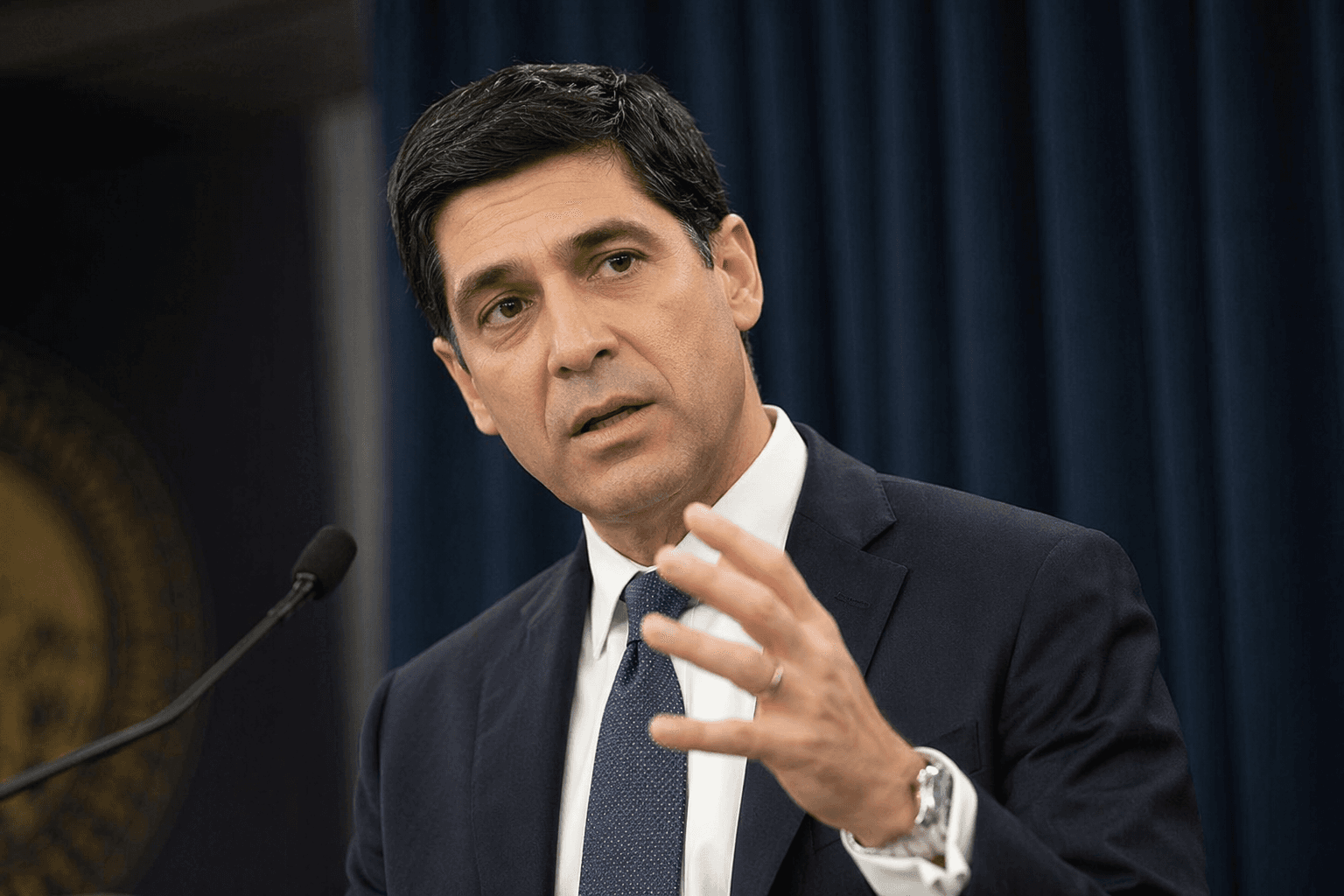
Kevin Warsh’s first press conference as Federal Reserve chair is shaping up as a decoding exercise for households, lenders and investors. Before the Fed changes a single rate, the wording from his chair’s desk on June 17 could hint at whether inflation is heading toward a gentler path or whether borrowing costs may need to stay higher for longer.
Warsh enters that moment with unusual scrutiny. The Senate confirmed him on May 13, he took the oath of office on May 22, and the Federal Open Market Committee unanimously chose him as chair the same day, making him the 11th Fed chair of the modern banking era. His first FOMC meeting runs June 16 to 17, with the policy decision set for 2:00 p.m. ET and the press conference following at 2:30 p.m. ET. The meeting also includes the Fed’s updated economic projections and the dot plot, which will sharpen the signal around the path of rates.
Markets widely expect the federal funds rate to stay in the 3.50% to 3.75% range, but the real focus is on tone. A tougher message would sound like concern that inflation is still too hot, that tariff-driven price increases could linger, or that higher oil costs and wage gains may feed one another. A looser message would sound more confident that price pressures are easing on their own and that the Fed can wait before considering any further tightening.

The latest inflation data gives Warsh little room for casual language. The Bureau of Labor Statistics said consumer prices rose 0.5% in May and 4.2% over the past 12 months, the fastest annual pace in three years. Energy prices rose 3.9% in May and accounted for more than 60% of the monthly increase. That keeps headline inflation well above the Fed’s 2% target and puts extra weight on any reference Warsh makes to persistence, expectations or the need for restraint.

The Beige Book adds another layer. The Fed’s district survey, compiled from reports across all 12 regions, has shown steady to modest growth in some places, while Boston said June 3 activity expanded slightly from the prior report and Minneapolis reported modest growth, modest to moderate wage gains and sharp price increases. With the labor market still near full employment, even a small shift in Warsh’s phrasing about wages, hiring or consumer demand could move mortgage rates, corporate borrowing costs and recession bets before the next formal policy change.
This article was produced by Prism’s automated news system from verified source data, official records, and press releases, then run through automated quality and moderation checks before publishing. The system is built and supervised by the people who set the standards it runs under. Read our full AI policy.
Know something we missed? Have a correction or additional information?
Submit a Tip