U.S., Pacific allies conduct live-fire maritime strike drills in Philippines
U.S. and Philippine forces sank a target ship off Itbayat, while other units rehearsed moving gear, defending airspace and stopping a landing.
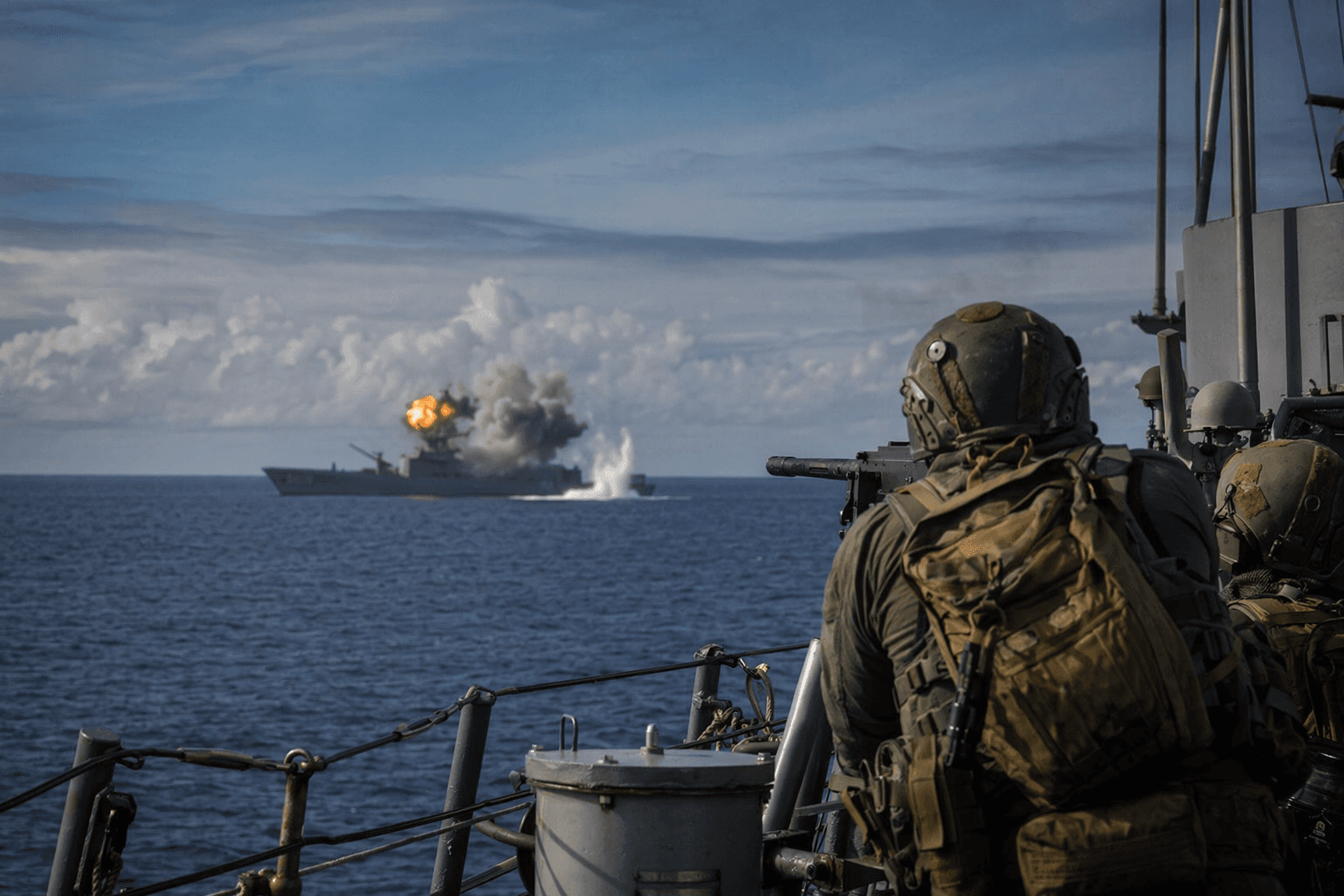
U.S. and Philippine forces turned Balikatan 2026 into a live-fire rehearsal for a crisis in the western Pacific, sinking a designated target vessel off Itbayat and pairing the strike with logistics, air defense and counter-landing drills across the Philippines. The exercise runs from April 20 to May 8, covers the Philippine archipelago, and brings together more than 17,000 personnel in the 41st iteration of the annual U.S.-Philippine war game.
The most pointed maritime event came on April 24, when U.S. and Philippine special operations forces carried out Maritime Strike-North, or MARSTRIKE-N, off the western coast of Itbayat in Batanes. Combined air and maritime assets found and sank the target vessel in a live-fire drill built around lethality, precision and interoperability. In the Luzon Strait, U.S. special warfare operators also deployed an unmanned surface vessel fitted with explosive charges against a maritime target, a clear rehearsal of anti-ship and sea-denial tactics in one of the region’s most sensitive chokepoints.
That geography is the message. By pushing the action to remote waters near Itbayat and the Luzon Strait, the allies were practicing how to fight in a contested chain of islands where communication, targeting and resupply would be harder than in a fixed range. The drills suggested planning for a China crisis that could quickly turn on whether allied forces can disperse, strike from multiple axes and keep units supplied across scattered terrain.
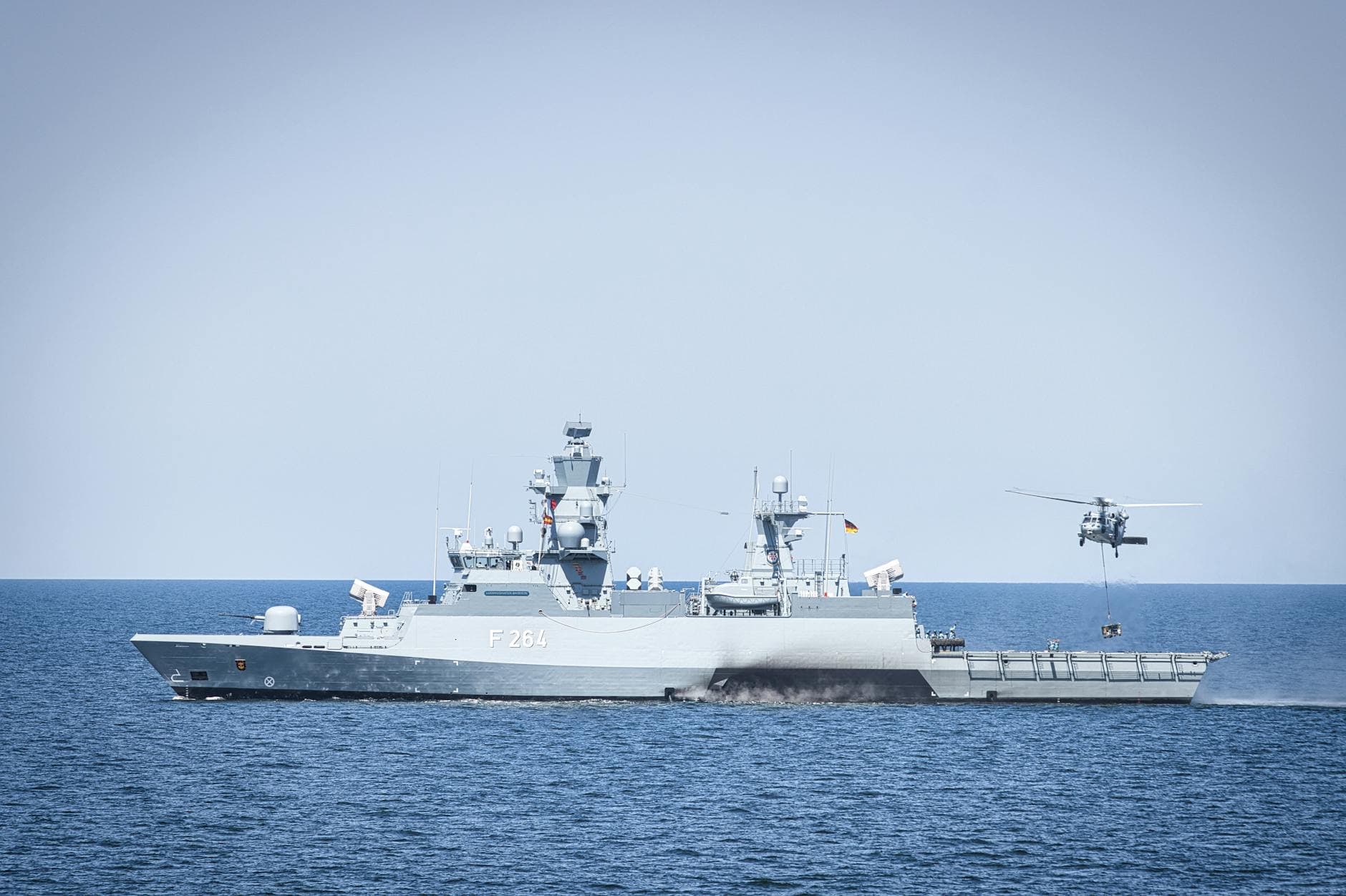
Balikatan’s scale also underscored the coalition behind that planning. Australia, Japan, Canada, France and New Zealand joined the Philippines and the United States, while 17 additional nations took part as observers. The exercise coincided with the 75th anniversary of the U.S.-Philippine Mutual Defense Treaty, adding political weight to a training event already framed as the largest bilateral exercise between the two countries.
Other events showed how much of modern war preparation now depends on moving gear before firing a shot. Marines and sailors completed a Maritime Prepositioning Force offload from March 1 to 28 to stage equipment and sustainment. The U.S. Army’s 25th Infantry Division trained on air and missile defense, focusing on bilateral knowledge and interoperability. On April 27, U.S. Marines with Marine Rotational Force-Darwin joined Philippine, Australian and New Zealand forces in a counter-landing live-fire exercise, rehearsing the defense of coastline and island approaches.
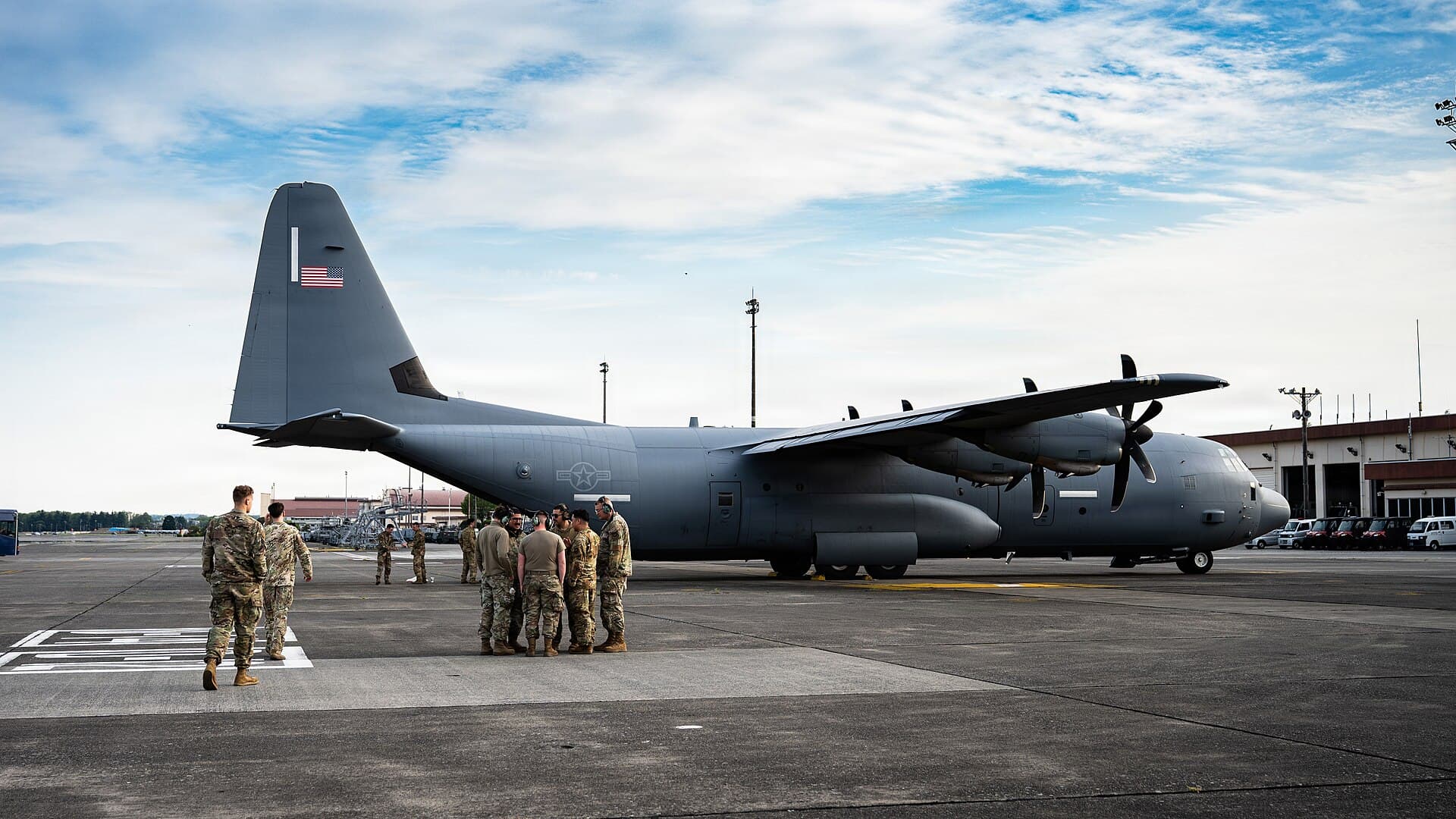
Taken together, Balikatan 2026 was less a display than a systems test: how quickly allied forces can position weapons, share targeting and stop a landing before it gains a foothold.
This article was produced by Prism’s automated news system from verified source data, official records, and press releases, then run through automated quality and moderation checks before publishing. The system is built and supervised by the people who set the standards it runs under. Read our full AI policy.
Did this article answer your question?