U.S. strikes Iran after ceasefire collapses, oil prices jump
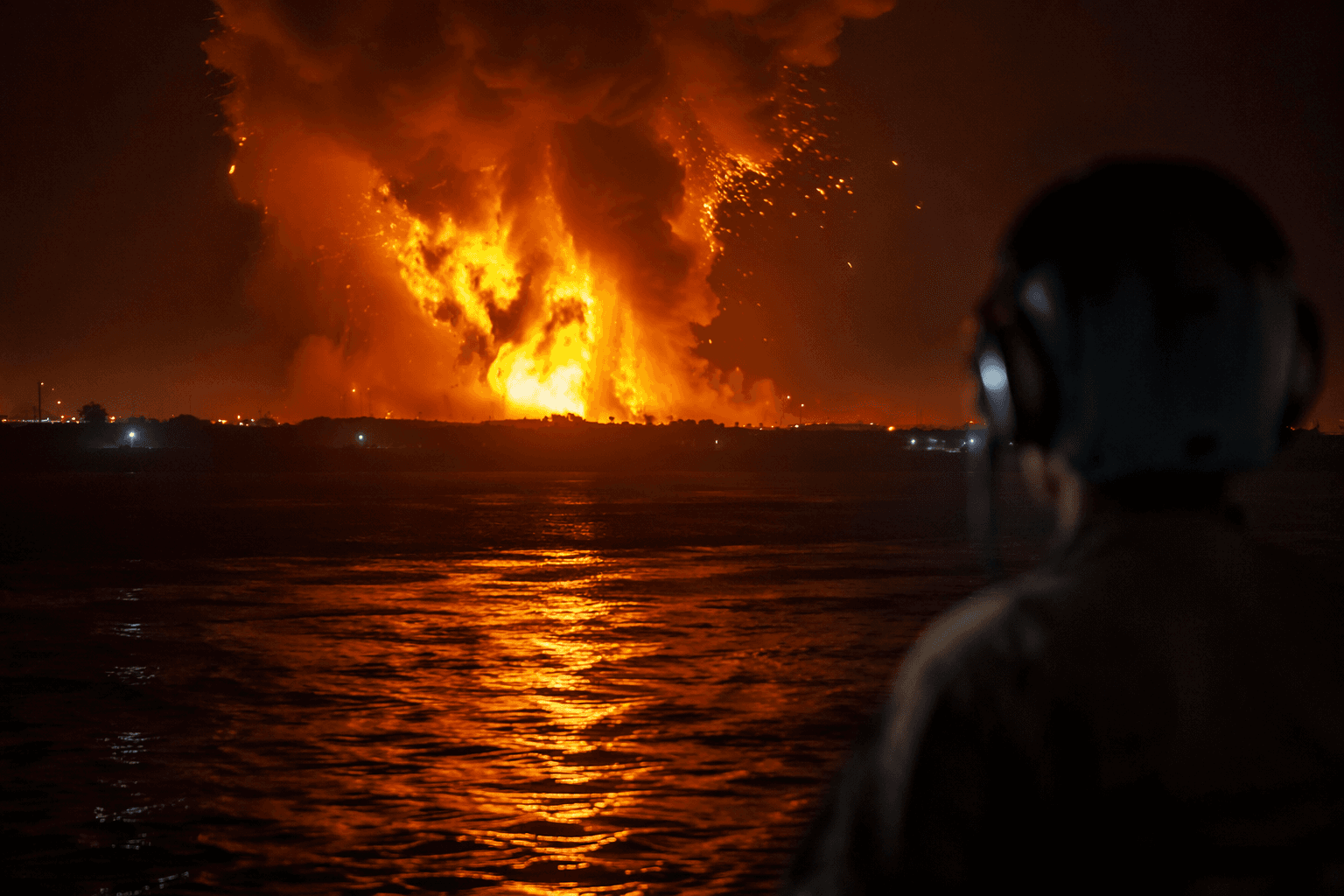
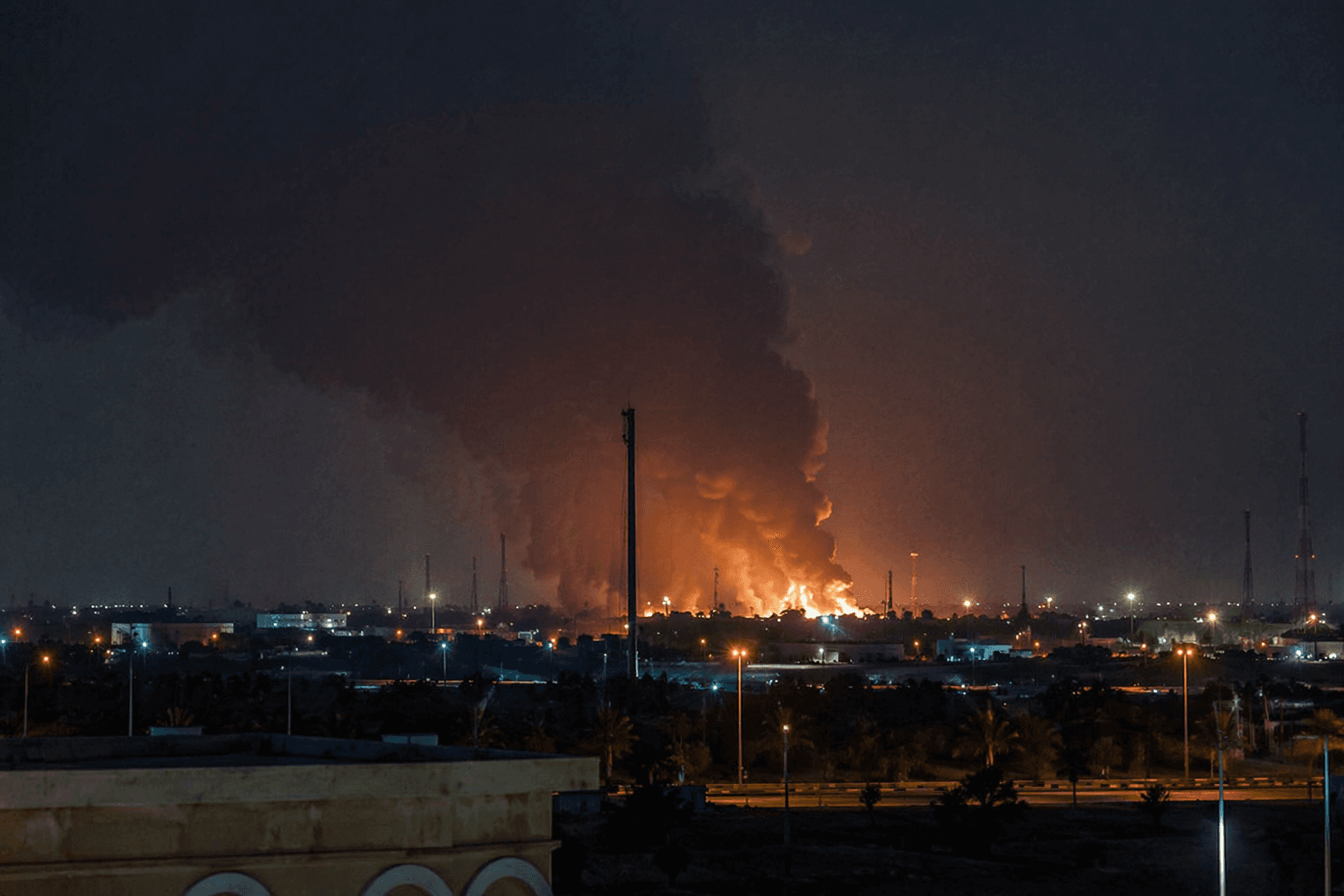
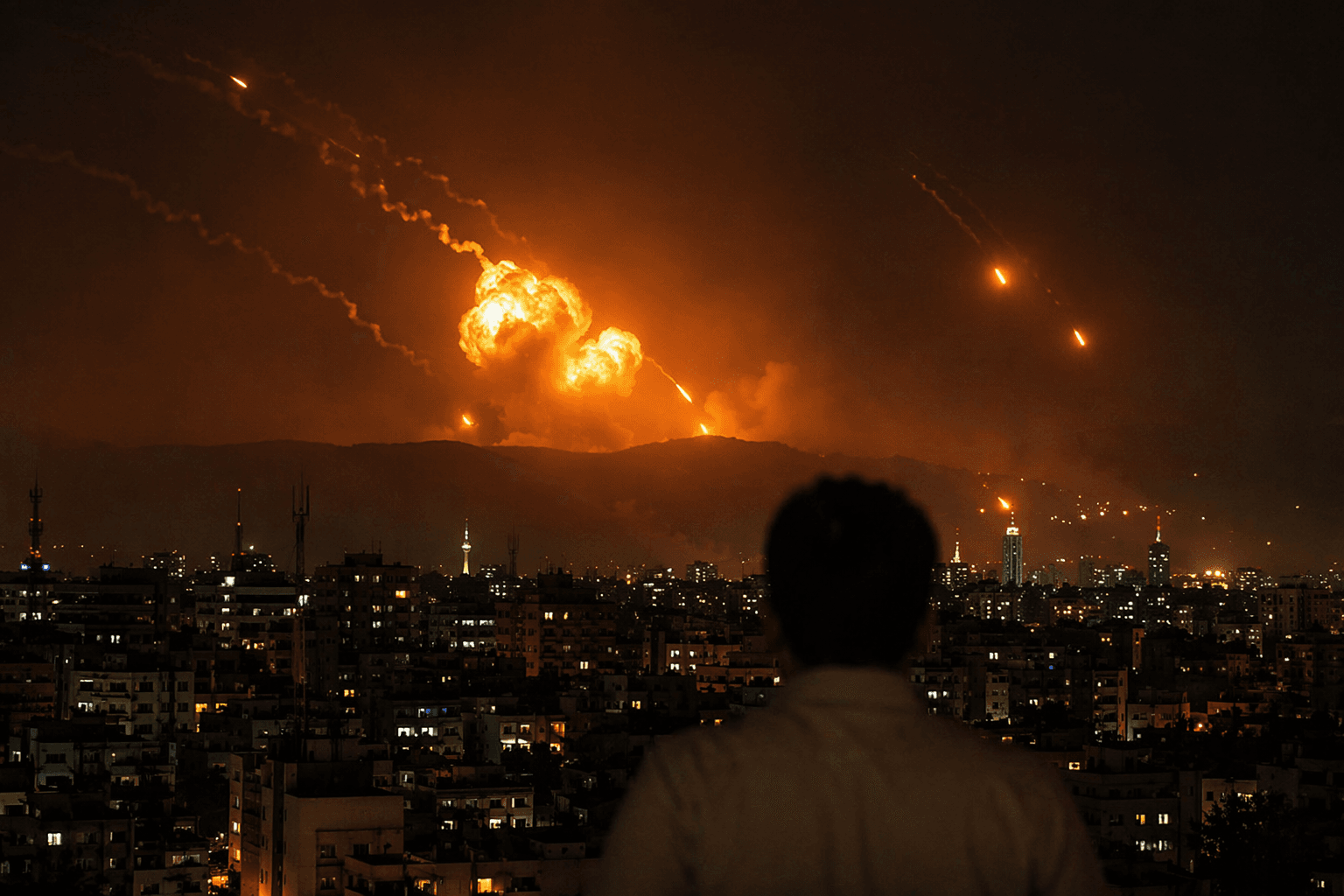
A second day of U.S. strikes hit multiple targets in Iran as the ceasefire unraveled, lifting oil prices and deepening fears of a wider regional war.
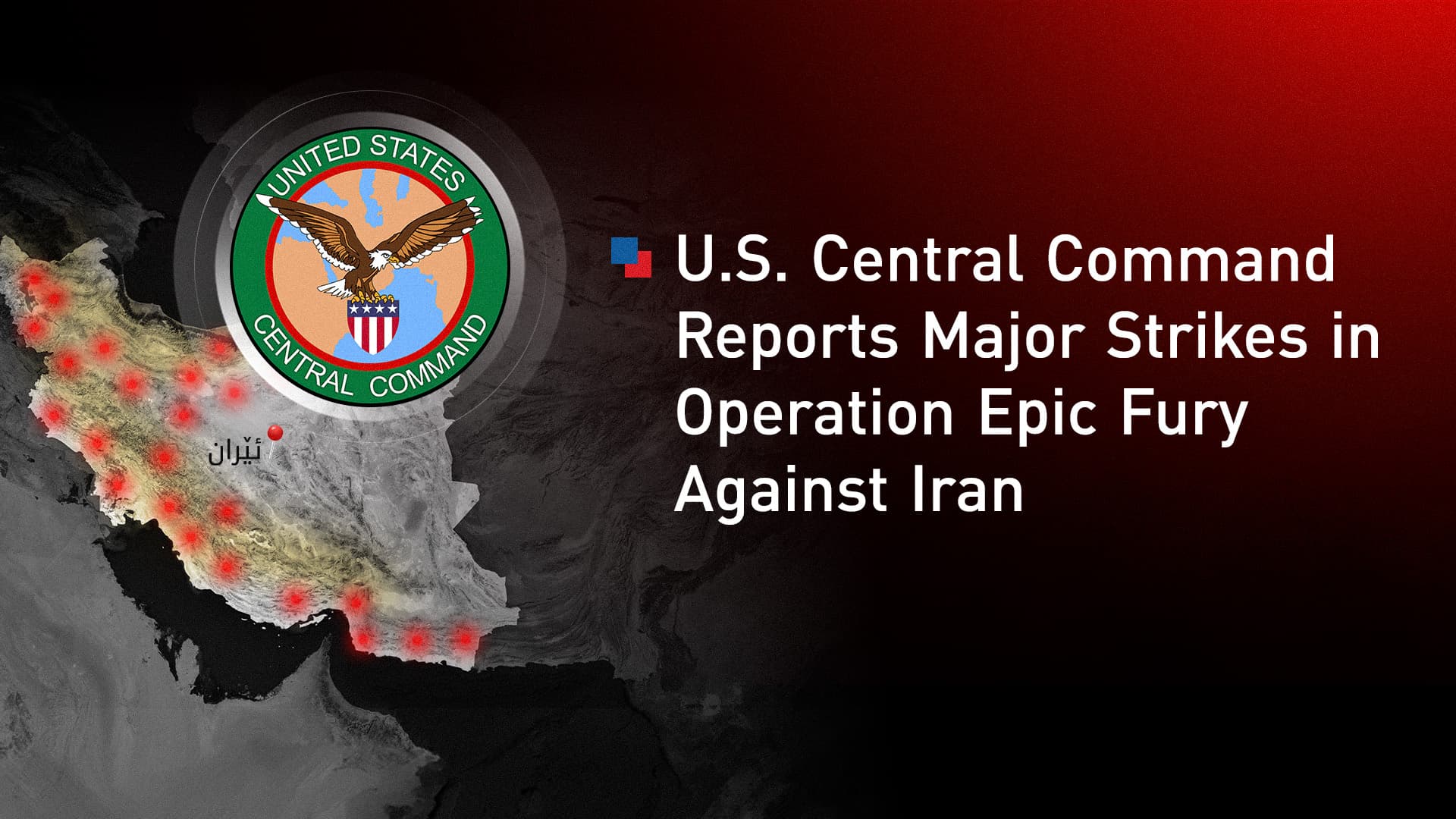
A second day of U.S. strikes on Iran pushed the conflict closer to a broader regional war and left Washington with less room to pull the fighting back into diplomacy. U.S. Central Command said the military was striking “multiple targets in Iran” in response to Iran’s “unwarranted and continued aggression,” as the renewed attacks began at 5:15 p.m. New York time on Wednesday, June 10, 2026.
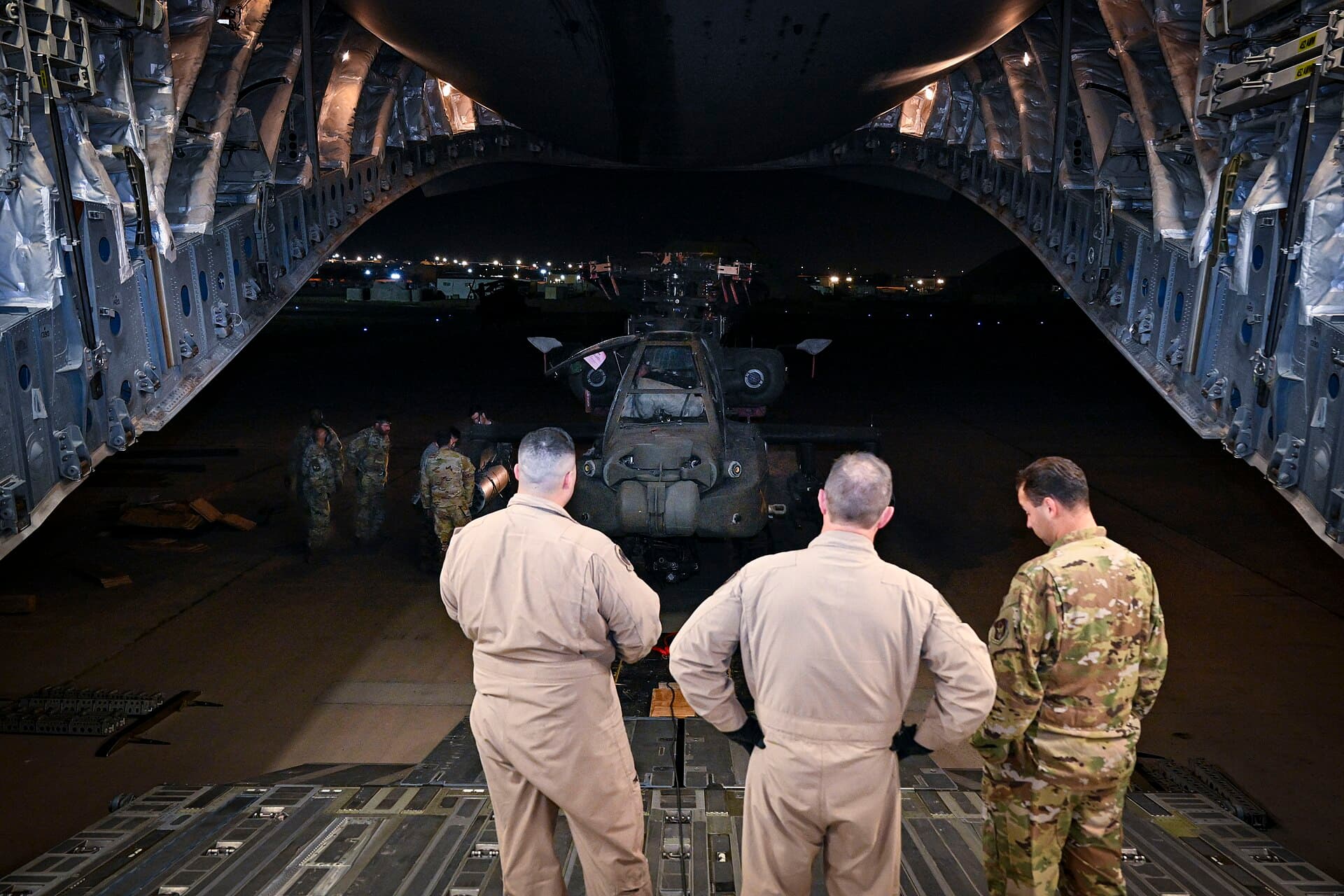
The escalation came after a fragile ceasefire announced on April 8, 2026 had already been strained by a series of exchanges. A U.S. Army Apache helicopter was downed off the coast of Oman near the Strait of Hormuz, a critical passage for global oil shipments, and U.S. officials said the two soldiers aboard were rescued within about two hours and were in stable condition. Iran then retaliated with attacks on U.S. bases or interests in Bahrain, Kuwait and Jordan, widening a fight that had begun to spill across multiple fronts.
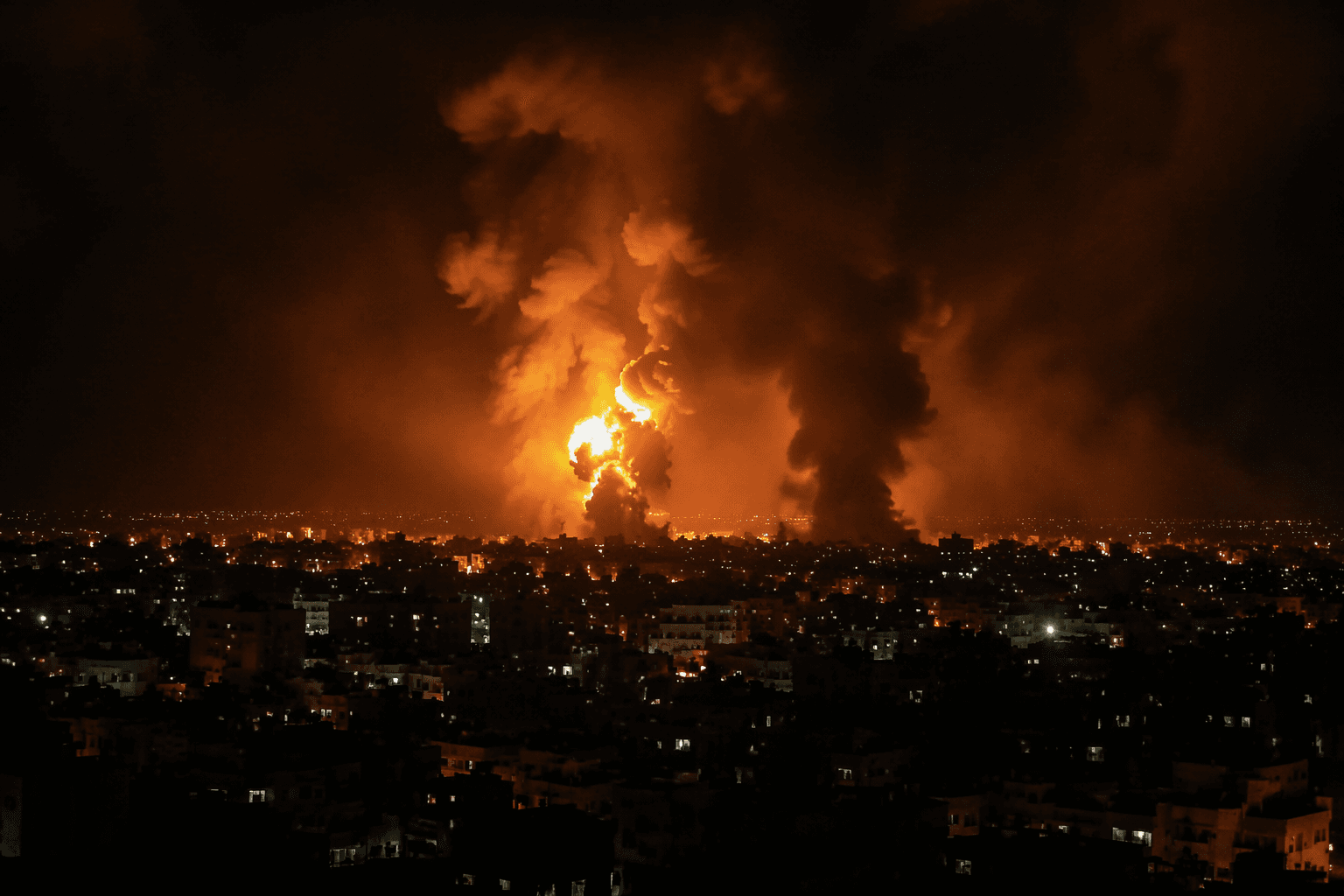
Trump said Tehran had taken too long to negotiate a deal and would now “have to pay the price,” a message that marked how quickly the diplomatic track had given way to military action. He also used unusually sweeping language about Iran’s armed forces on Truth Social, saying its navy and air force were effectively destroyed, while still saying a deal could be reached within days. The combination of force and bargaining underscored the administration’s dilemma: every new strike makes talks harder to restart, even as Washington says it still wants an end to the war.
The economic shock was immediate. Oil prices rose and U.S. stock futures fell after Trump’s remarks, reflecting the danger tied to the Strait of Hormuz, where even a limited clash can threaten a large share of the world’s crude shipments. That makes the confrontation more than a military story for oil markets and coastal states; it raises the risk of price spikes, supply disruptions and further retaliation if either side misreads the other’s next move.
For now, the second day of strikes has narrowed the space for de-escalation. Iran has already shown it is willing to answer U.S. action with attacks beyond its borders, and Washington has signaled it is prepared to hit back. In a region where one strike can trigger another, the path back to a ceasefire looks thinner than it did just days ago.
This article was produced by Prism’s automated news system from verified source data, official records, and press releases, then run through automated quality and moderation checks before publishing. The system is built and supervised by the people who set the standards it runs under. Read our full AI policy.
Know something we missed? Have a correction or additional information?
Submit a Tip