U.S. Strikes Iran-Flagged Tankers, Awaits Tehran Response to Peace Proposal
Rubio said Tehran would answer a peace proposal Friday as U.S. jets hit two Iran-flagged tankers, sharpening doubts that a month-old ceasefire could hold.
Washington was pressing for a diplomatic answer from Tehran even as U.S. forces fired on two Iran-flagged oil tankers, a collision of military action and peace talks that exposed how fragile the ceasefire has become. Secretary of State Marco Rubio said the United States expected a response from Iran on a peace proposal Friday, adding, “we’ll see what the response entails” and that he hoped it was “a serious offer.”
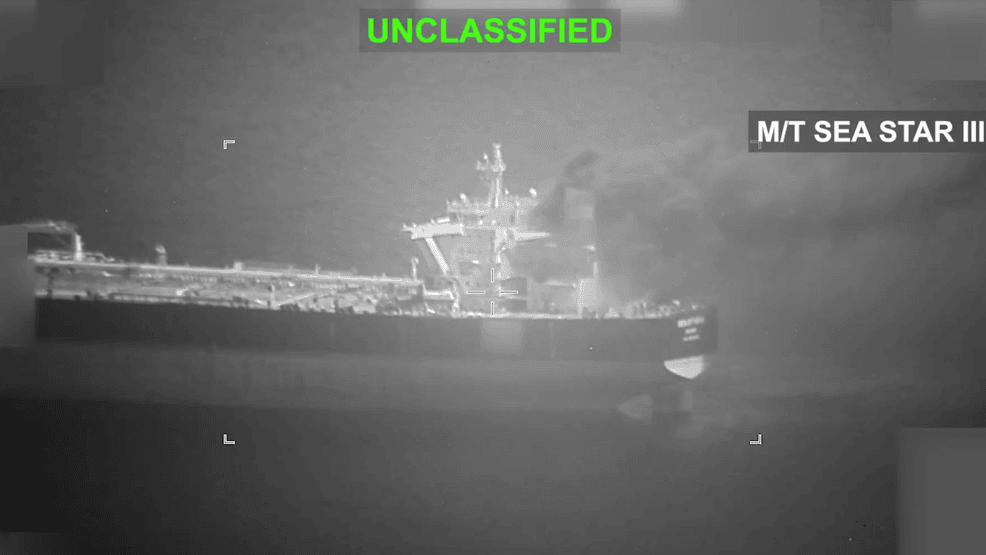
The strikes hit the M/T Sea Star III and the M/T Sevda, which U.S. Central Command said were trying to reach or enter an Iranian port while transiting the Gulf of Oman and the waters near the Strait of Hormuz. CENTCOM said it released footage showing F/A-18 Hornets striking the vessels. The U.S. military said the tankers were fired on and disabled in two separate attacks after an overnight exchange of fire with Iranian forces in the Strait of Hormuz.
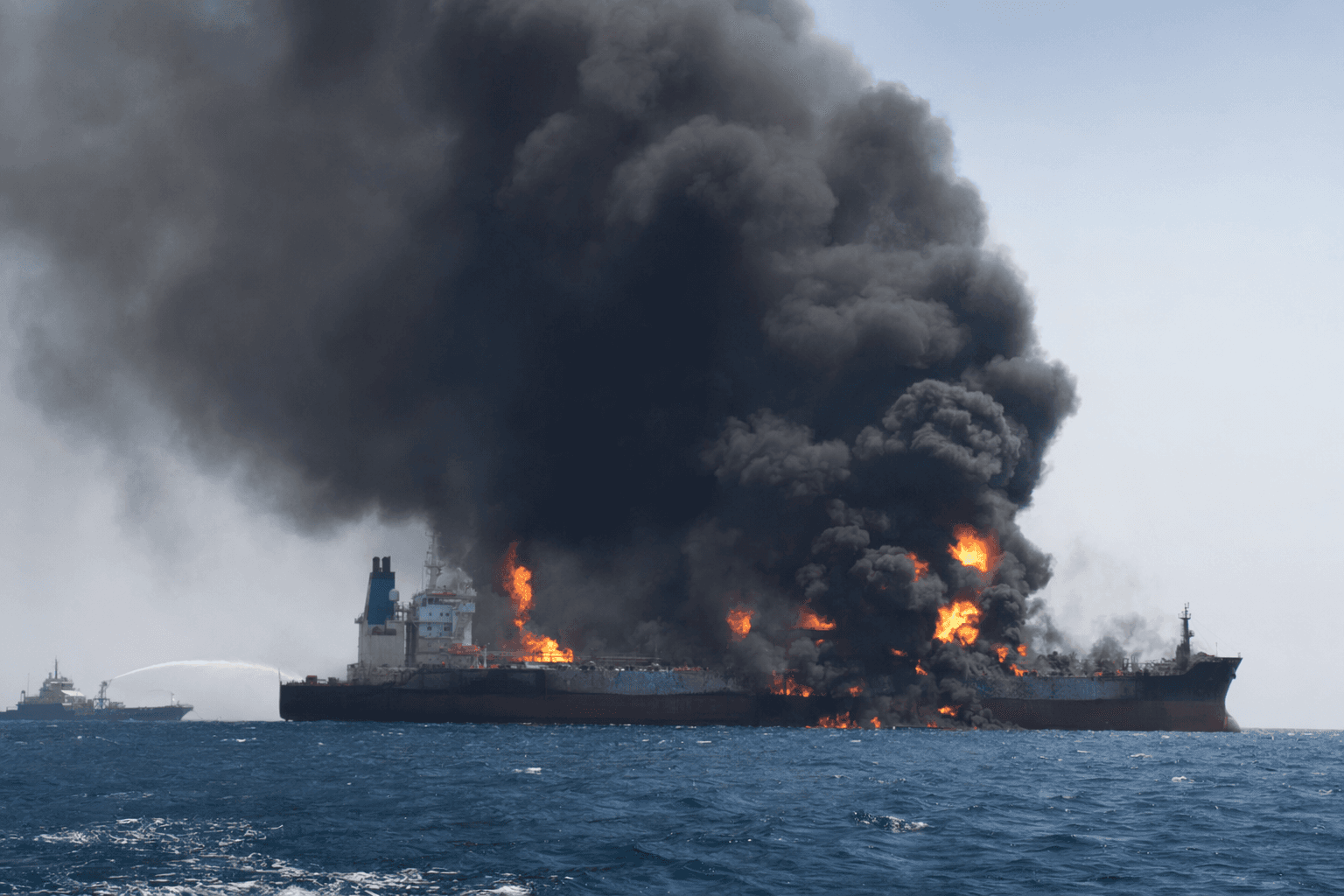
The timing underscored the contradiction at the center of the crisis. President Donald Trump said the U.S.-Iran ceasefire was “still in effect,” even as he warned that the United States would keep responding to Iranian attacks. That ceasefire was already being described as roughly a month old, and the new tanker strikes came as Washington waited for Tehran to answer a latest proposal aimed at ending the war, reopening the Strait of Hormuz and rolling back Iran’s disputed nuclear program.
Iran responded by casting the U.S. strikes as a blow to diplomacy. Abbas Araghchi, Iran’s foreign minister, accused Washington of undermining negotiations after the tanker attack. The exchange sharpened the risk that the peace track could lose credibility before either side formally commits to it, especially with the Strait of Hormuz still serving as the world’s most dangerous pressure point for oil shipping.
The maritime stakes are not abstract. The Strait of Hormuz and nearby Gulf of Oman have already seen repeated exchanges of fire, and the United Arab Emirates said it intercepted another Iranian missile and drone attack around the same period. U.S. officials and regional governments are facing the same grim calculation: every strike on a tanker, every interception in the strait, raises the odds that a dispute over shipping lanes will spill into a broader regional conflict that diplomacy may not be able to stop.
This article was produced by Prism’s automated news system from verified source data, official records, and press releases, then run through automated quality and moderation checks before publishing. The system is built and supervised by the people who set the standards it runs under. Read our full AI policy.
Did this article answer your question?