U.S. tells U.N. Security Council all options on table over Iran
U.S. tells U.N. Security Council all options are on the table over Iran's deadly crackdown; council meets at Washington's request.
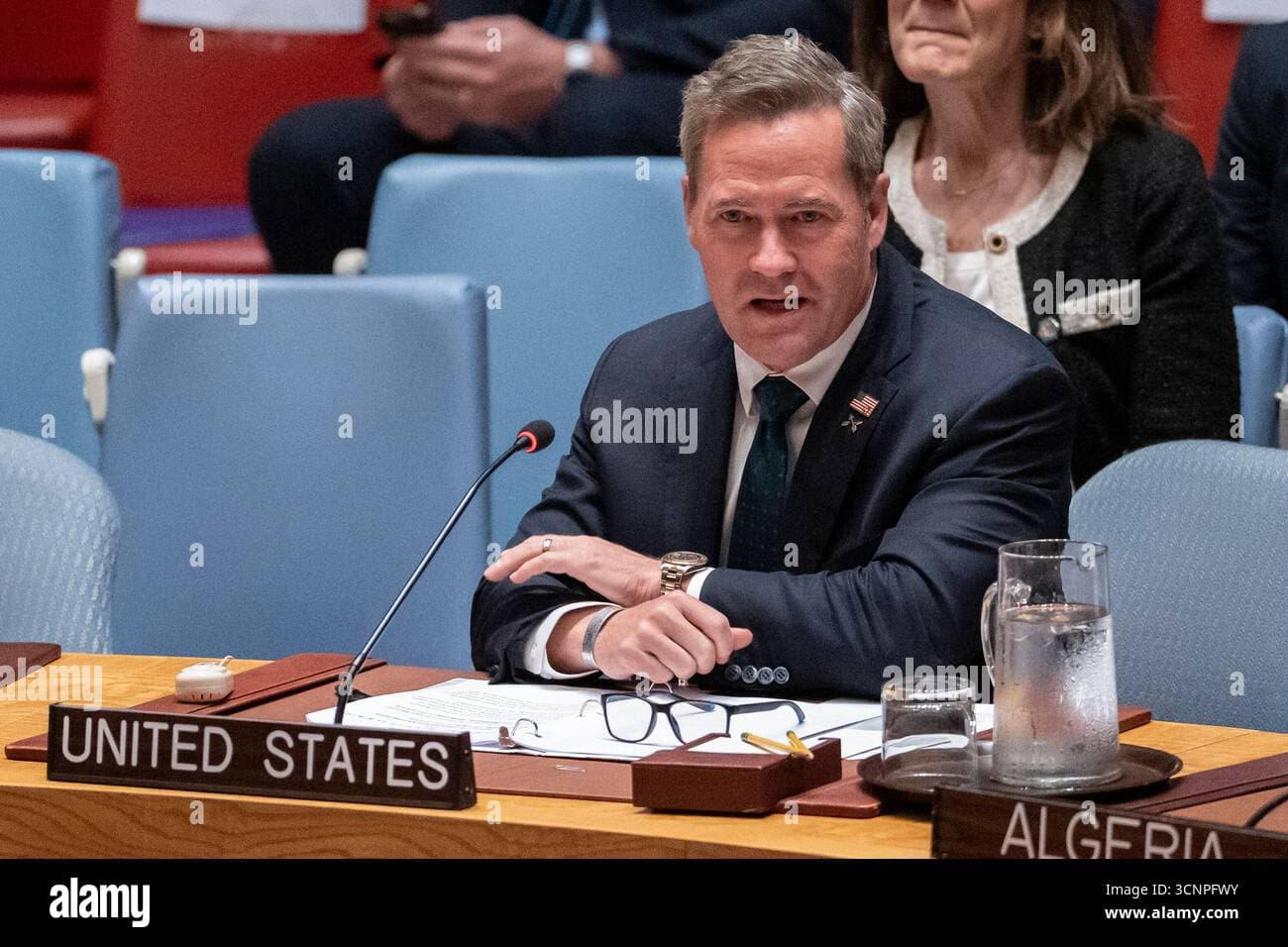
The United States convened an emergency U.N. Security Council session today to confront what it described as mass killings, arrests, torture and planned executions in Iran, bringing U.S. and Iranian diplomats into a rare and tense face-off at the world body. The 10091st meeting, called at Washington's request, centered on nationwide protests that began amid rising prices and currency turmoil and that international witnesses say have produced heavy civilian casualties and a state-imposed communications blackout.
U.S. Ambassador to the United Nations Mike Waltz framed Washington as standing with demonstrators and made direct reference to President Donald J. Trump in forceful terms. Waltz told the council, “President Donald J. Trump and the United States of America stands by the brave people of Iran,” called the president “a man of action, not endless talk,” and said Mr. Trump “has made it clear all options are on the table to stop the slaughter.” Waltz argued the scale of the crackdown reaches beyond domestic repression and poses repercussions for international peace and security, warning that military response remained a possibility if lethal force against protesters continued.
The session opened with testimony from exiled dissidents and journalists who said they had been targeted by Iranian authorities. Masih Alinejad told the Iranian representative, “You have tried to kill me three times,” and recounted an alleged assassination attempt outside her Brooklyn home. Delegates at the meeting also recounted that two men, described as Russian mobsters, were sentenced in October to long prison terms for hiring a hit man said to have acted on behalf of Iranian actors. Journalists and other witnesses testified to torture, disappearance and attempted killings that, diplomats said, amounted to a campaign of transnational repression.
Iran’s deputy ambassador to the United Nations, Hossein Darzi, rejected the U.S. accusations and accused Washington of “direct involvement in steering unrest in Iran to violence.” The Iranian delegation warned that any act of aggression, direct or indirect, would “trigger a decisive and lawful response,” reflecting Tehran’s view that external threats would only deepen the crisis.
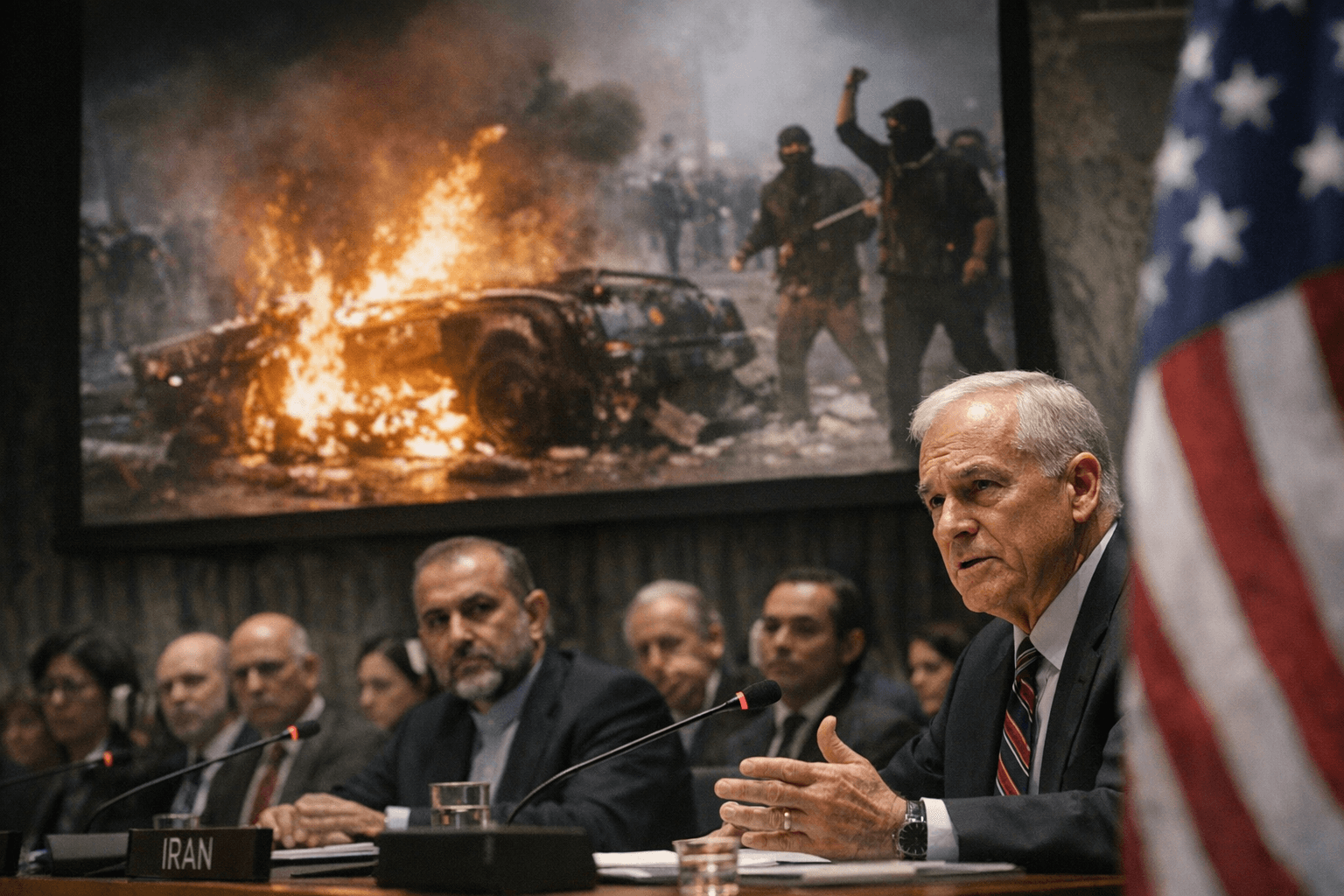
Estimates of the death toll were presented to the council with some variation: one human rights monitoring agency cited at least 2,677 fatalities, while other accounts put the figure at about 2,637. Delegates also raised reports of mass arrests, torture and plans for executions. By the time of the meeting, diplomats said protests appeared increasingly smothered inside Iran amid a communications blackout that has limited independent verification and fueled concern among rights monitors.
The emergency session underscored deep divisions on the council, where human-rights urgency collides with geopolitical caution. Some members echoed Washington’s call for accountability and protection of civilians, while others warned that threats of force could inflame regional tensions. Observers at the council emphasized the dual peril: unchecked abuses inside Iran and the risk that diplomatic pressure or military threats could widen the conflict into a broader confrontation with implications for the Middle East and global security.
Council members said deliberations would continue behind closed doors, with diplomats weighing how to balance urgent humanitarian concerns against the risk of escalation in an already volatile region.
This article was produced by Prism’s automated news system from verified source data, official records, and press releases, then run through automated quality and moderation checks before publishing. The system is built and supervised by the people who set the standards it runs under. Read our full AI policy.
Did this article answer your question?

