Vague Strait of Hormuz deal raises fears of Iranian routing control
A disputed phrase on Strait of Hormuz passage has opened a fight over who controls the route, and whether Iran can turn ambiguity into leverage over global shipping.
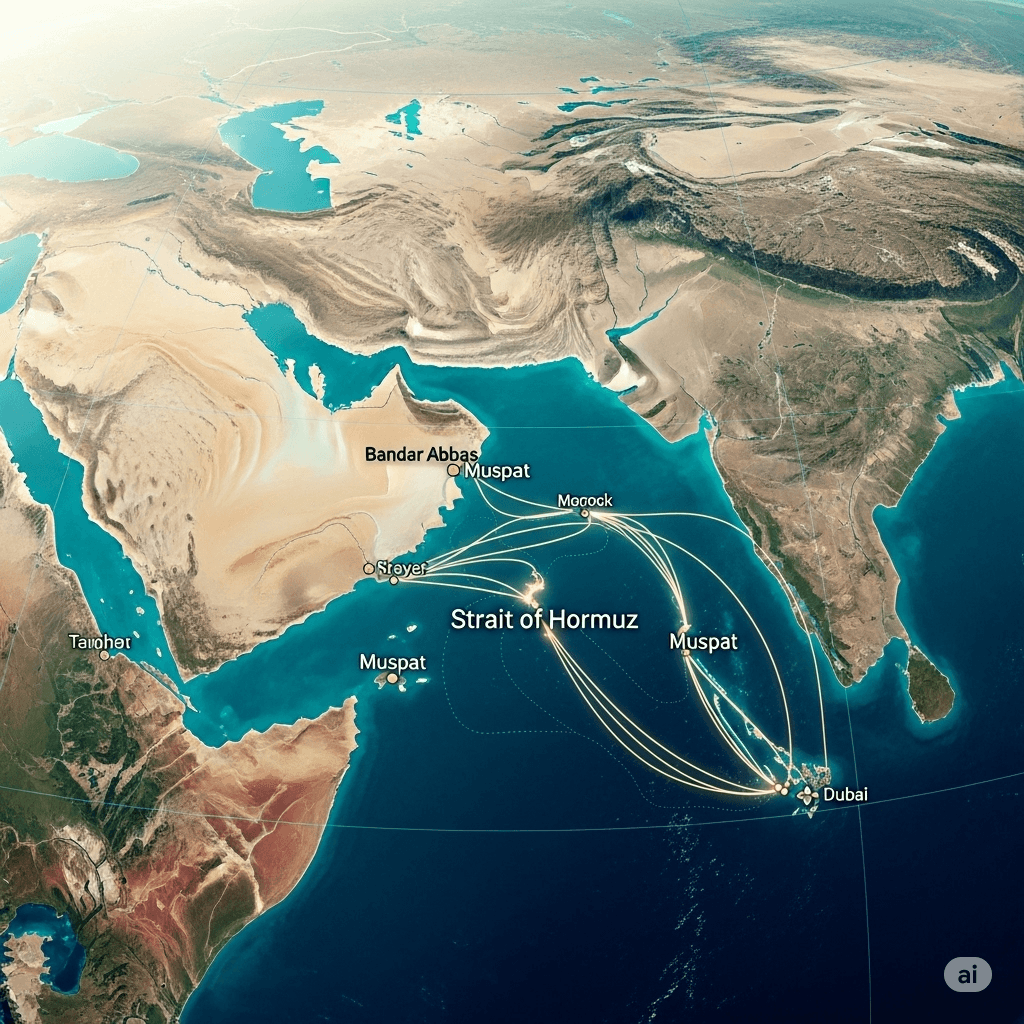
Iran’s warning that any new transit route through the Strait of Hormuz set up without coordination with Tehran is “unacceptable and dangerous” has pushed a vague deal clause into the center of a wider fight over shipping control. The wording at issue says Iran will “make arrangements” for the passage of ships through the strait, and Iran has interpreted that to mean it can designate which routes vessels take.
The draft language also says Iran will act “using its best efforts” to ensure the safe passage of commercial vessels through the Strait of Hormuz and the Persian Gulf, without spelling out who controls routing or enforcement. That gap leaves room for Tehran to seek permission requests, set designated lanes and assert quasi-regulatory power over traffic moving through one of the world’s most sensitive chokepoints.
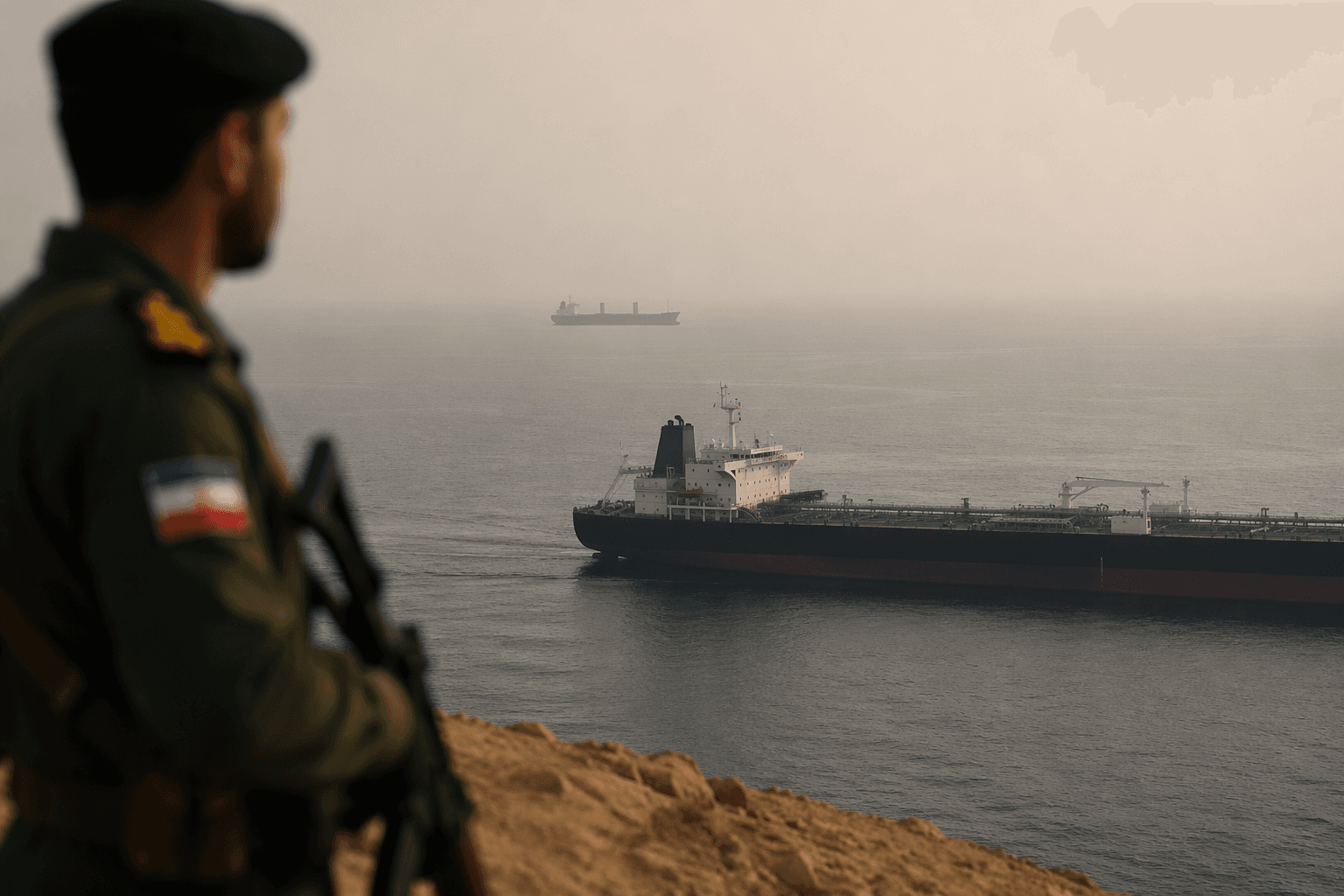
Before the war, Chatham House estimated traffic at roughly 100 to 140 major vessels a day, giving even small changes in routing outsized consequences for energy security and freight costs. Shipping has continued, but vessels have often shifted toward routes hugging Oman’s coastline on the eastern side of the strait.
The Strait of Hormuz is an international waterway, so any recognized Iranian control over navigation would extend beyond the Gulf. If Washington endorses Iranian routing authority, future U.S.-Iran agreements inherit the same ambiguity, turning diplomatic phrasing into a tool Tehran can use to constrain commercial traffic or seek transit fees.
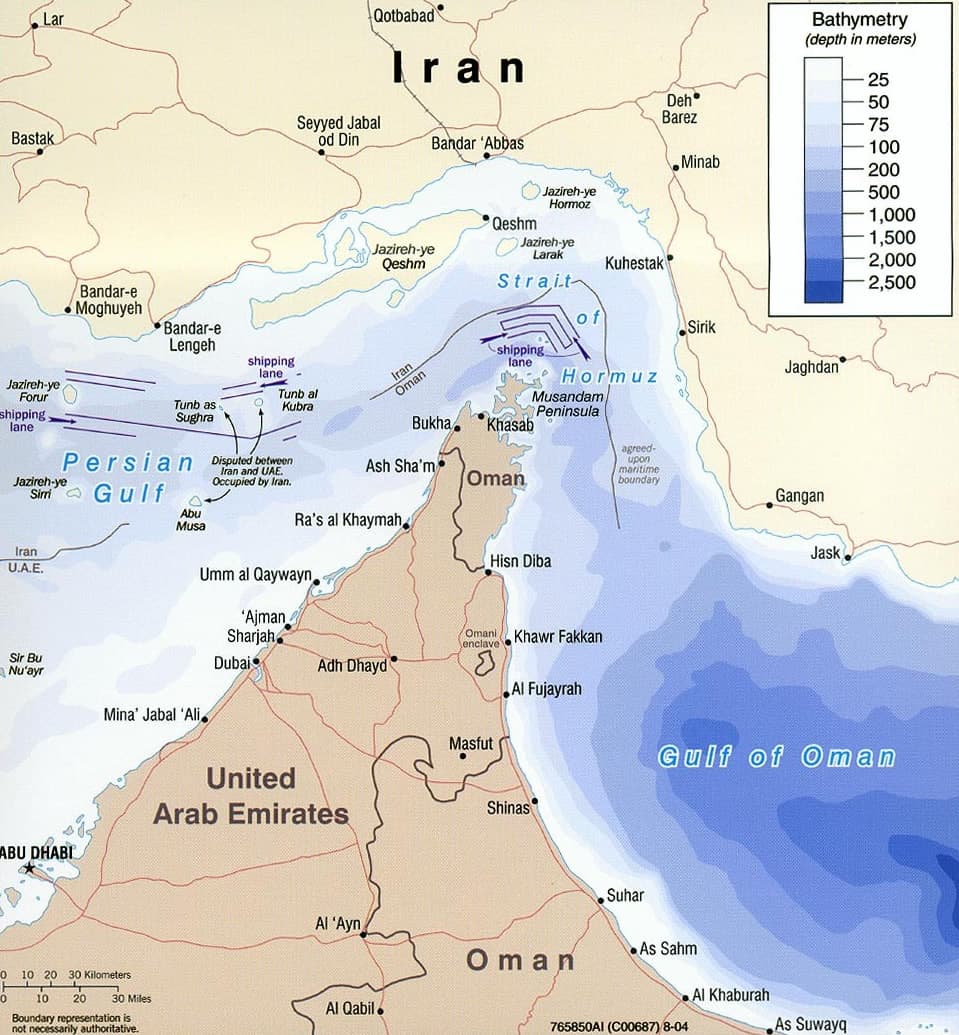
Some vessels have crossed using “dark” journeys through Iran’s “tollbooth route” or with U.S. guidance.
This article was produced by Prism’s automated news system from verified source data, official records, and press releases, then run through automated quality and moderation checks before publishing. The system is built and supervised by the people who set the standards it runs under. Read our full AI policy.
Know something we missed? Have a correction or additional information?
Submit a Tip