Vance Leads Iran Talks After Fragile Ceasefire, U.S. And Tehran Meet Again
Vance spent 21 hours in Islamabad chasing a deal with Iran, then left without one, exposing both his rise and the limits of his role.
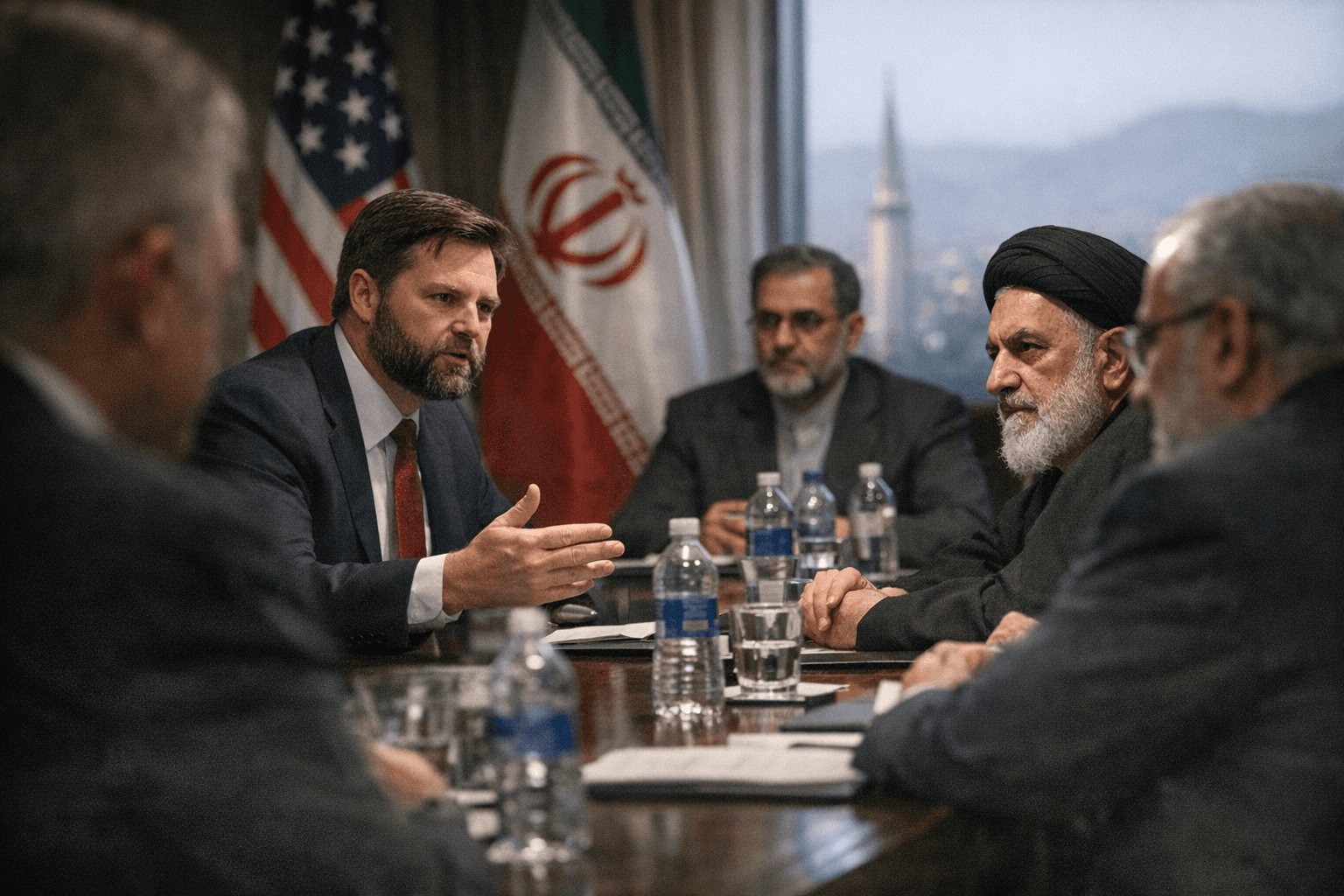
JD Vance spent 21 hours in Islamabad trying to turn a fragile ceasefire into a diplomatic opening, but the talks ended without an agreement and left the truce uncertain. The negotiations were the first face-to-face meetings of this kind since the war began.
Pakistan had brokered the two-week ceasefire on April 7, and the talks were set for April 11 after President Donald Trump agreed to the truce less than two hours before a deadline for Tehran to reopen the Strait of Hormuz, a waterway that handles about one-fifth of global oil shipments. Pakistan Prime Minister Shehbaz Sharif called the moment "make-or-break" and urged both sides to keep the process alive.
Vance said Iran would not make the commitment Washington wanted, refusing to accept an affirmative pledge not to seek nuclear weapons or the tools needed to quickly obtain them. He described the outcome as "bad news for Iran" and said the U.S. side had left with a "final and best offer." During the talks, he said he spoke with Trump "a half dozen times, a dozen times," along with Marco Rubio, Scott Bessent and Adm. Brad Cooper.
The assignment placed Vance at the center of a long-running tension in his own political identity. He had built a reputation as an anti-war skeptic, writing in 2023 that Trump's best foreign policy was not starting wars during his first term. Trump has said Vance was "philosophically" a little different and maybe less enthusiastic about attacking Iran. In March, Vance said he trusted Trump to avoid repeating "the mistakes of the past" and dismissed speculation that he was at odds with the president over the war.
The episode showed both sides of Vance's role. He was not just carrying messages; he was sitting across from Iranian negotiators, weighing a nuclear demand against a ceasefire that was already under strain. But the constant contact with Trump made clear where the real authority sat. With no breakthrough in Islamabad, the ceasefire remains in place but precarious, and the next move still runs through the White House, Tehran and Pakistan's mediators.
This article was produced by Prism’s automated news system from verified source data, official records, and press releases, then run through automated quality and moderation checks before publishing. The system is built and supervised by the people who set the standards it runs under. Read our full AI policy.
Did this article answer your question?