Venezuelans weigh return home after Maduro’s ouster, but fear persists
Seven point nine million Venezuelans were already outside the country as families in Cúcuta weighed whether Maduro’s fall had changed life enough to go back.
Maduro’s ouster has not answered the hardest question for millions of Venezuelans scattered across the region: whether a political victory at the top has delivered the basic conditions that would make home feel livable again. Security, work and public services remain the test, and for many families the decision to return is still blocked by fear rather than hope.
UNHCR says nearly 7.9 million refugees and migrants from Venezuela are outside the country. Inside Venezuela, the United Nations Office for the Coordination of Humanitarian Affairs said 7.9 million people were in need when its 2026 humanitarian overview launched in December 2025, with 5.4 million targeted for aid and US$606 million required. Even as some spontaneous returns have taken place, UNHCR says the outflow continues, a sign that the collapse of daily life has outlasted the headline event that pushed Maduro from power.
That caution was visible in Cúcuta, Colombia, where Venezuelans gathered on Jan. 5, 2026 to consider whether to go back after Maduro’s fall and international intervention. Among them was Nayleth Useche, 56, founder of the Venezuelan Women’s Corporation, or Corpmuve, who joined relatives in weighing whether the change in Caracas was enough to justify uprooting life again. The mood across Latin America has been mixed: hopes for democratic elections and economic recovery are rising, but so are fears that repression, insecurity and uncertainty could persist even without Maduro.
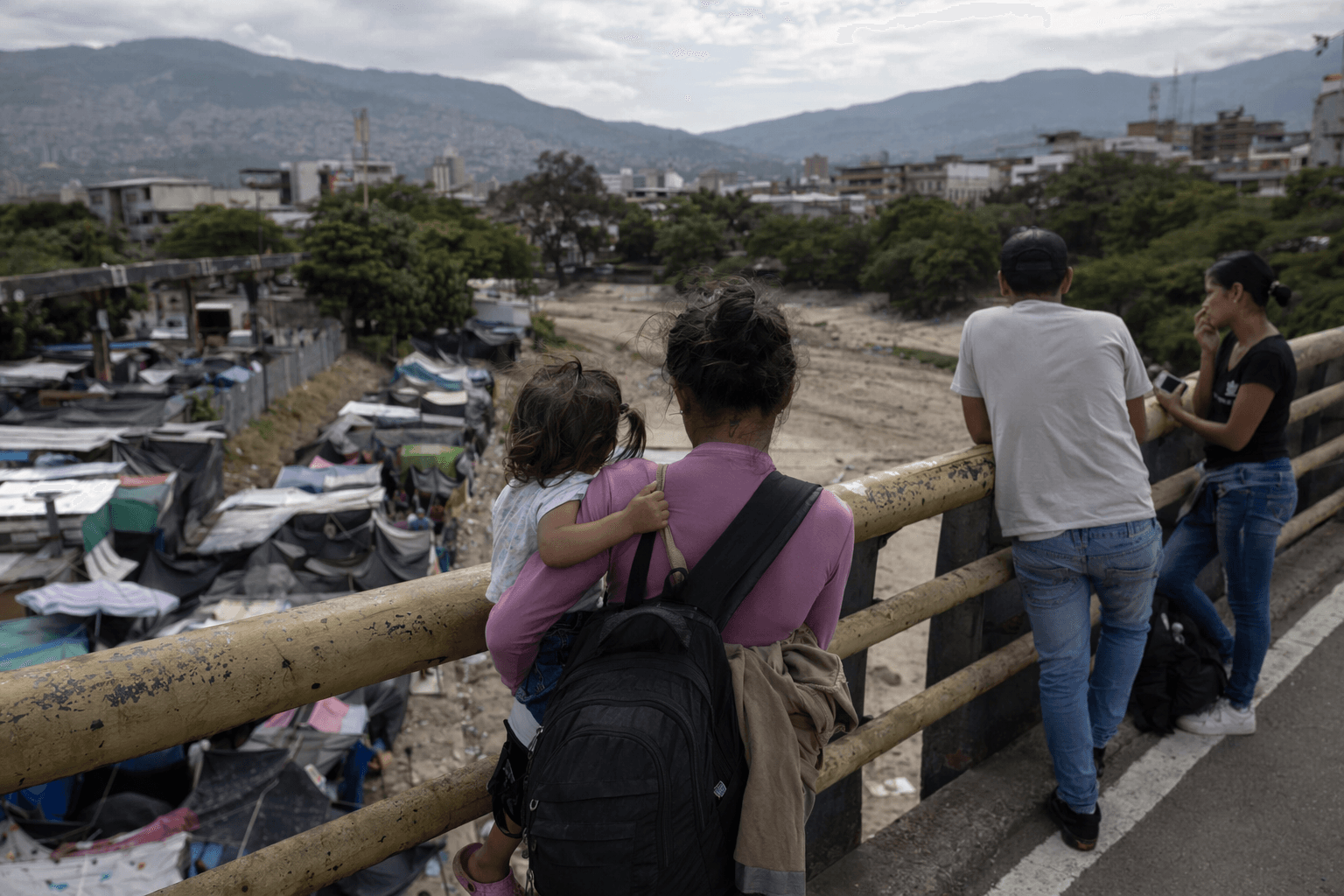
The pressure is not only emotional. More than 600,000 Venezuelans have been stripped of Temporary Protected Status and told to return, even as many exiles and migrant advocates remain unconvinced that conditions at home have improved enough to support safe reintegration. In response to the wider displacement crisis, R4V coordinates aid across 17 countries in Latin America and the Caribbean through a network of more than 200 organizations. The scale of that operation reflects a deeper reality: Venezuela’s displacement emergency is not ending with the fall of one man, and for many families, return will depend less on regime change than on whether the country can offer stability worth coming back to.
This article was produced by Prism’s automated news system from verified source data, official records, and press releases, then run through automated quality and moderation checks before publishing. The system is built and supervised by the people who set the standards it runs under. Read our full AI policy.
Did this article answer your question?