Voters weigh high-stakes primaries in Kentucky, Georgia and other states
Georgia’s open governor’s race and Kentucky’s costly House fight turned Tuesday’s primaries into a test of Trump’s grip on the GOP.
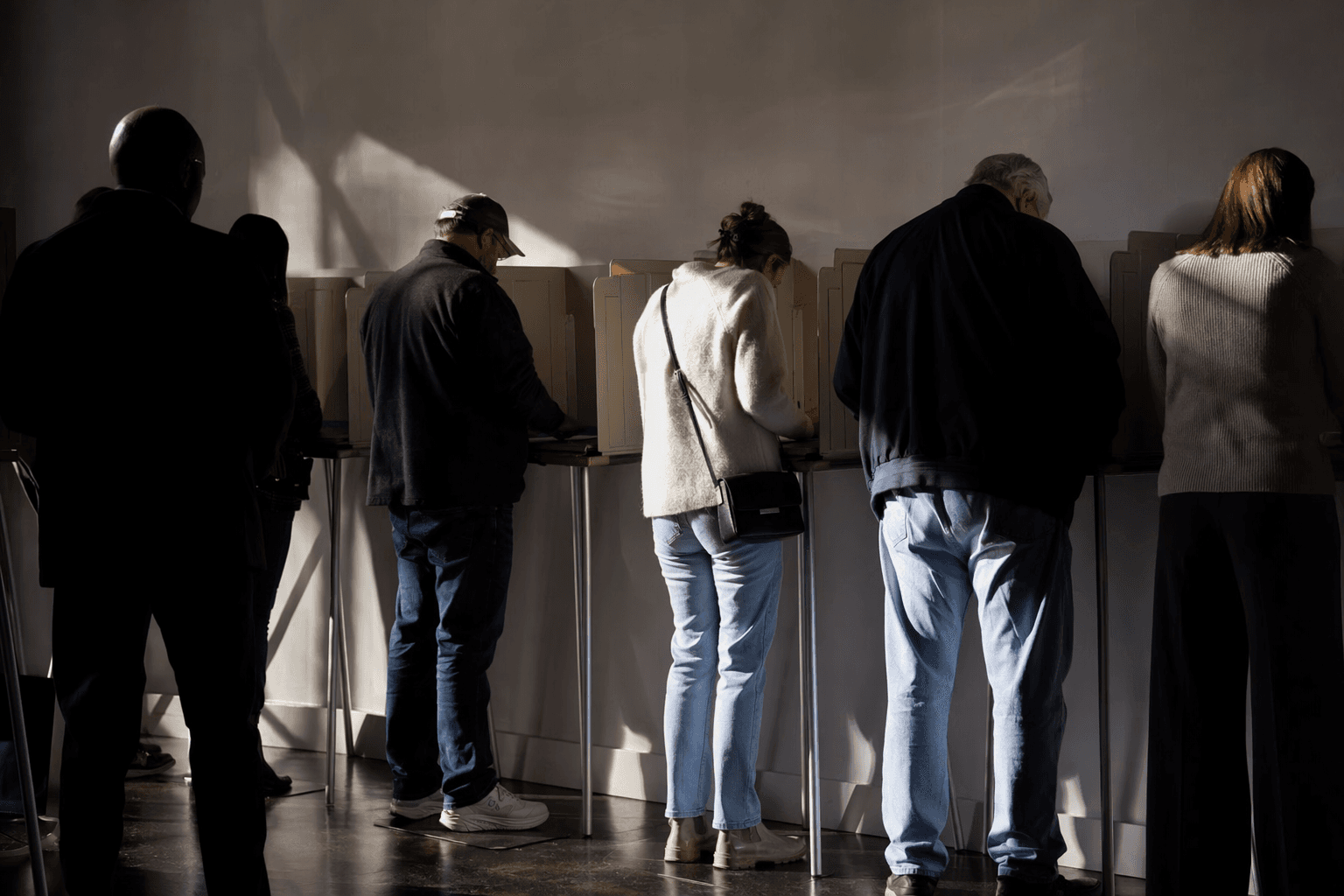
Georgia and Kentucky became the clearest measures of Republican power on Tuesday, as voters chose between establishment figures, Trump-aligned candidates and record-setting outside spending in primaries that could shape the fall map.
In Kentucky, the most intense fight centered on the Republican primary in the 4th Congressional District, where longtime incumbent Thomas Massie faced Trump-backed challenger Ed Gallrein. The race drew roughly $25.6 million to more than $32 million in television, radio and digital advertising, making it the most expensive House primary in U.S. history. Massie has represented the district since 2012, and the scale of the spending underscored how much national Republicans and outside groups wanted to settle the question of whether a veteran conservative could survive a challenge from the president’s side.
Kentucky’s Senate primary also carried national weight. Mitch McConnell is not seeking reelection after first winning the seat in 1984, leaving Republicans to sort through a crowded field that includes Andy Barr and Daniel Cameron. Barr picked up a Trump endorsement on May 1, a signal that the president’s backing remains one of the most valuable assets in GOP politics, especially in a state where the primary could determine who enters the general election with momentum.
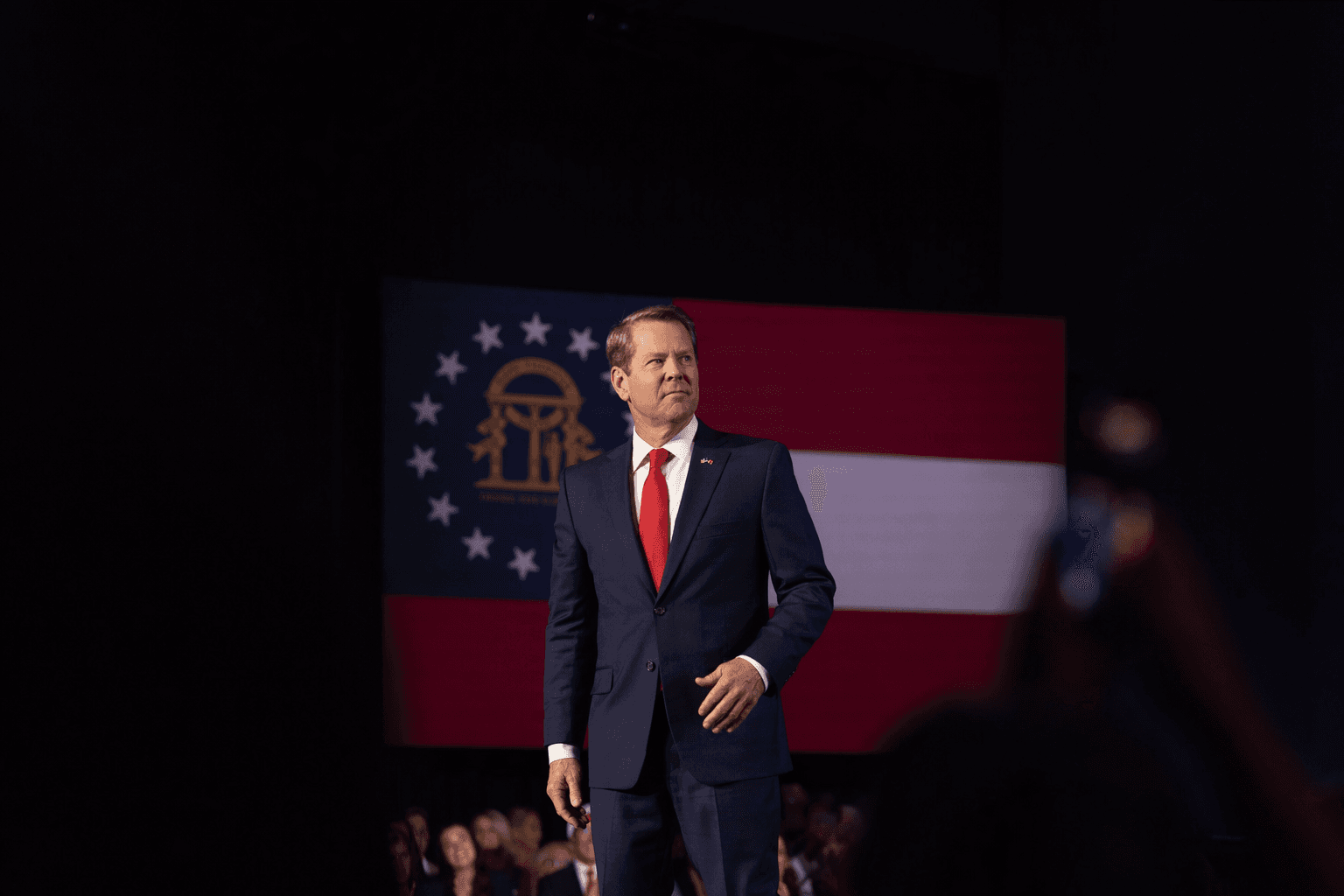
Georgia offered a different kind of test: whether a fractured Republican field can unify in a state that remains central to presidential and congressional control. Gov. Brian Kemp is term-limited, opening the governor’s race and drawing eight Republican candidates, including Attorney General Chris Carr, Lt. Gov. Burt Jones and Secretary of State Brad Raffensperger. Under Georgia’s rules, any candidate who fails to clear 50 percent on May 19 would face a runoff on June 16, giving the state a second round of intraparty combat if no one can settle the contest outright.
The stakes stretched beyond the two headline races. Primaries were also being held in Alabama, Idaho, Oregon and Pennsylvania, with Alabama’s congressional contests pushed to August 11 after a Voting Rights Act-related redistricting dispute. For Republicans, the early results in Kentucky and Georgia will be read as a barometer of Donald Trump’s influence, the strength of establishment figures who have held ground against him, and the quality of the nominees headed into the November fight for House control and statewide power.
Know something we missed? Have a correction or additional information?
Submit a Tip