White House hesitated to bring Ebola patient back to U.S.
The White House’s reluctance to repatriate an American doctor with Ebola broke sharply from 2014, when nine Ebola patients had already been treated in U.S. hospitals.

The White House’s hesitation to bring an American doctor with Ebola back to the United States marked a sharp break from the 2014 response, when U.S. hospitals had already treated nine Ebola patients, many of them aid workers. That difference has put political optics, medical duty and outbreak control on a collision course as a new Bundibugyo virus outbreak spreads in Central Africa.
The World Health Organization said on May 17, 2026, that the Ebola outbreak caused by Bundibugyo virus in the Democratic Republic of the Congo and Uganda constituted a public health emergency of international concern. The agency said the DRC outbreak was the country’s 17th Ebola outbreak since the virus was first identified in 1976. On May 19, the Centers for Disease Control and Prevention said the risk to the American public remained low.
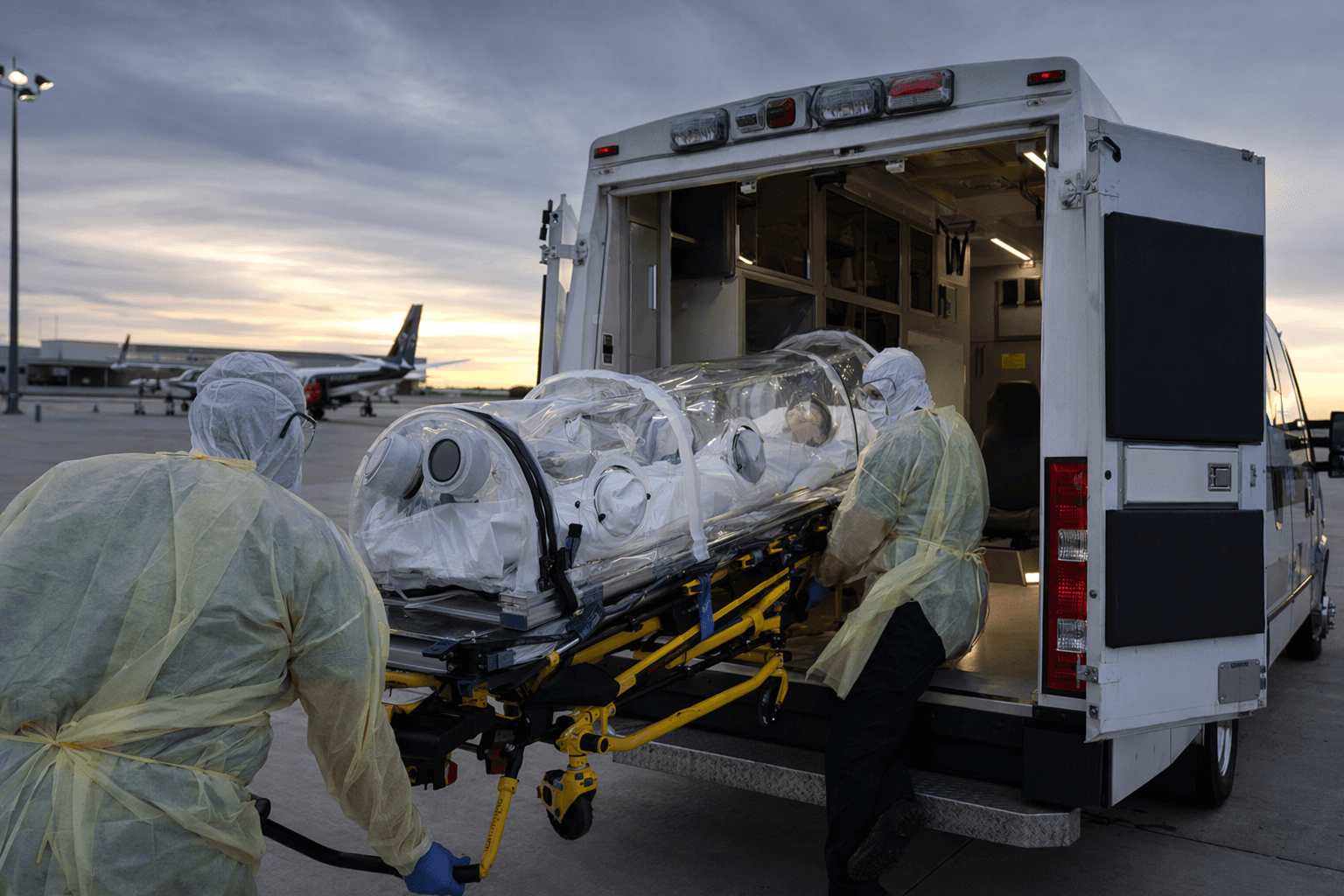
Even so, health officials have stressed that this strain leaves little room for complacency. WHO and the CDC both said there are no approved Bundibugyo-specific vaccines or therapeutics. The CDC said supportive care, including fluids, electrolyte management, symptom treatment and early detection, remains the main treatment. The CDC also noted that historically, Bundibugyo virus has had death rates ranging from 25 percent to 50 percent.
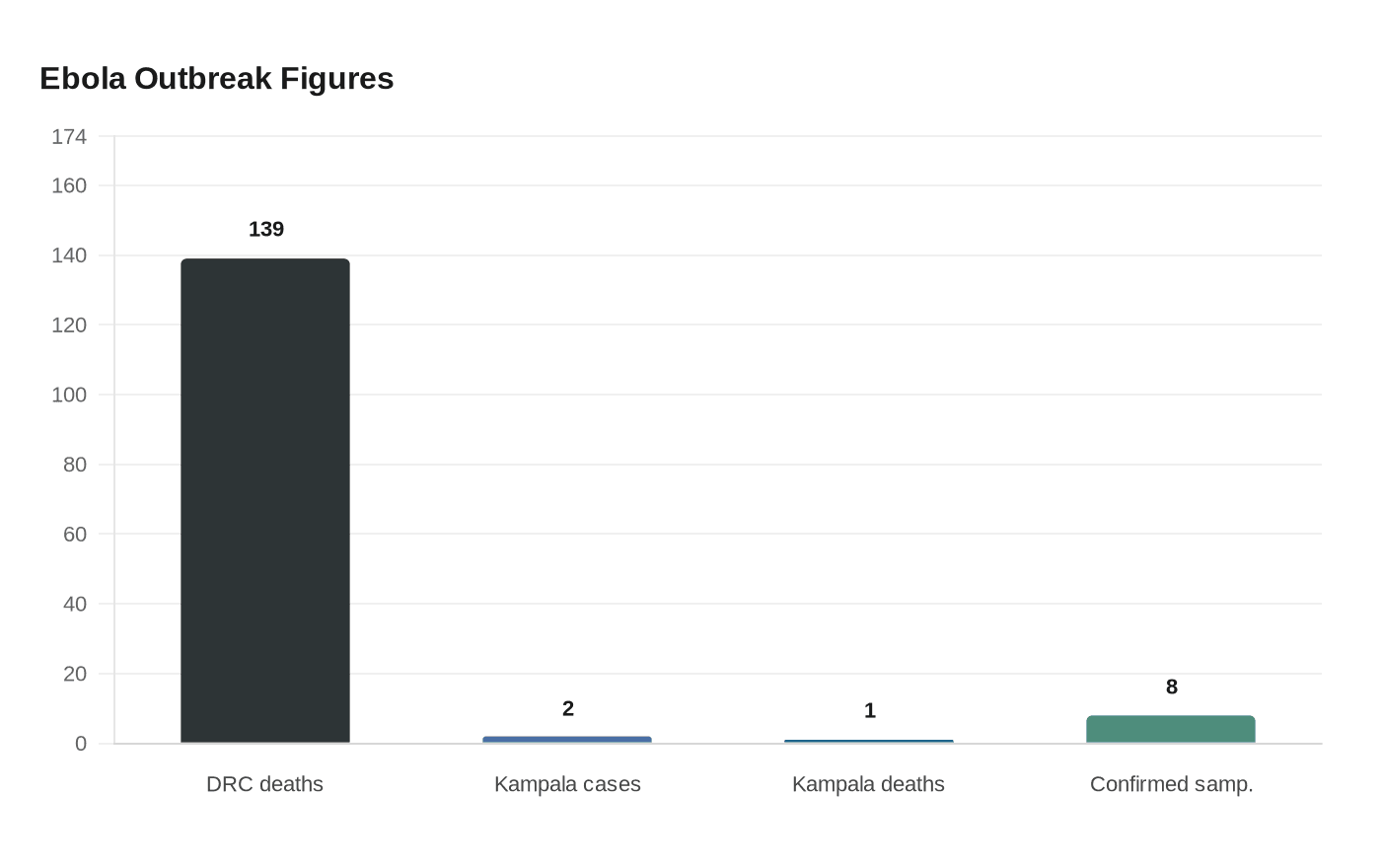
The outbreak has already reached nearly 600 suspected cases and 139 deaths in the Democratic Republic of the Congo, and WHO reported two laboratory-confirmed cases in Kampala, Uganda, including one death, linked to travel from the DRC. On May 14, the National Institute for Biomedical Research confirmed Bundibugyo virus disease in eight samples.
The history of the U.S. response helps explain why this reluctance stood out. In 2014, Kent Brantly was the first American Ebola patient treated in the United States, followed by Nancy Writebol, who had contracted Ebola in Liberia. Craig Spencer later became the only Ebola patient treated in the United States that year at Bellevue Hospital after returning from Guinea. Before Spencer’s arrival, AP reported, nine people with Ebola had already received medical treatment in the United States.
That earlier precedent showed a government willing to move quickly when an American doctor or aid worker was infected abroad. The new caution suggests something different: a White House weighing the political consequences of importing a terrifying infection against the medical logic of controlled treatment, the duty to care for its own citizens and the broader strategy of keeping trust intact during an international outbreak.
Know something we missed? Have a correction or additional information?
Submit a Tip