White House weighs releasing China intel on 2020 election interference
The White House is weighing declassifying China election intel as Trump prepares a speech tonight, a move that could expose vulnerabilities and inflame 2020 claims.
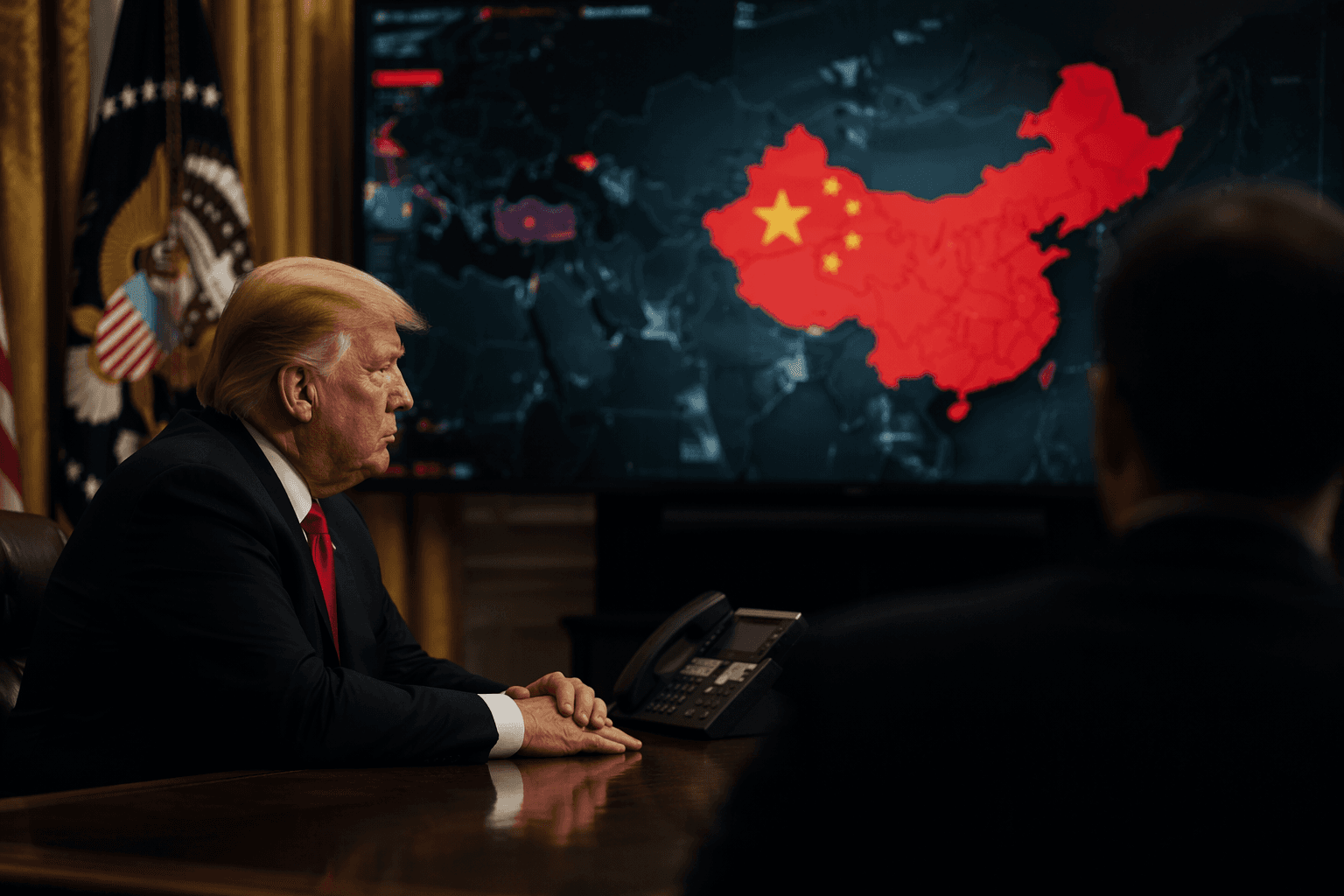
The White House is weighing whether to release sensitive intelligence on China’s potential ability to interfere in U.S. elections, even as some Trump officials warn the material could be misleading or overstated. Four people familiar with the deliberations said the intelligence was collected and analyzed during Donald Trump’s first term and could surface in a speech he is expected to deliver Thursday night.
The material sits at the center of a hard disclosure choice: release it and risk handing Trump another stage for his long-running claim that the 2020 election was rigged, or keep it classified and leave voters and state election officials with fewer details about what federal agencies believe China may have been capable of doing. The sources said the intelligence did not show Beijing manipulated or changed votes, a distinction that matters in a country where Trump’s fraud claims were rejected by courts but continue to shape Republican election politics. The White House is also preparing to unveil what it says are vulnerabilities in America’s voting infrastructure.
That tension lands inside a legal structure that still gives states the first and main authority over how elections are run. The Elections Clause says the “Times, Places and Manner” of holding federal elections are prescribed by each state legislature, while Congress may at any time make or alter those regulations. That framework has made state election officials the frontline custodians of voting systems, while federal agencies hold much of the intelligence about foreign threats, a split that becomes more charged when classified material is pulled into a political fight.
The Brennan Center for Justice said in March 2026 that there is no evidence of foreign interference in the 2020 presidential race. On July 2, 2026, it warned that China, Iran and Russia are poised to try influence operations in the 2026 midterms even as federal defenses recede. That warning underscores the practical stakes for election administrators who need credible threat assessments without turning intelligence into a partisan weapon.
White House spokeswoman Karoline Leavitt dismissed the anonymous-source account and said nobody yet knows what Trump will ultimately say. The Office of the Director of National Intelligence and the Central Intelligence Agency declined to comment. Earlier in 2026, at Trump’s request, the CIA gave an official access to intelligence related to the 2020 election, a sign that the administration’s effort to revisit the last presidential race is already reaching deep into the intelligence system.
This article was produced by Prism’s automated news system from verified source data, official records, and press releases, then run through automated quality and moderation checks before publishing. The system is built and supervised by the people who set the standards it runs under. Read our full AI policy.
Did this article answer your question?

