WHO launches nearly $1 billion appeal to tackle 36 global health crises
WHO appealed for about US$1 billion to sustain life-saving services across 36 emergencies, warning roughly 239 million people will need urgent assistance in 2026.
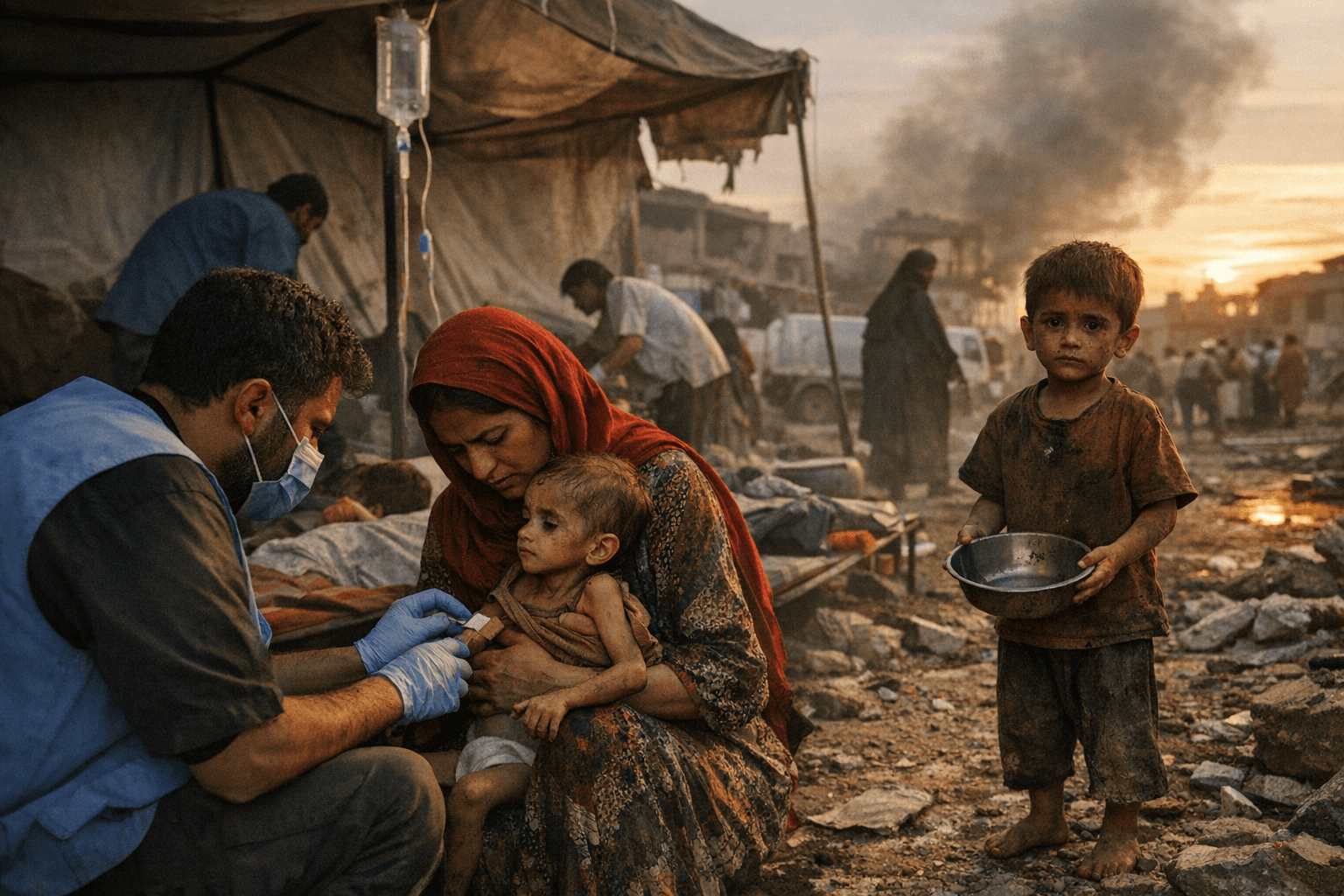
The World Health Organization launched a nearly US$1 billion global Health Emergency Appeal to sustain life-saving services across 36 crisis settings, warning that roughly 239 million people will need urgent humanitarian health assistance this year. The appeal, unveiled in Geneva on 3 February 2026, targets acute and protracted emergencies and seeks flexible, front-loaded funding to keep essential care functioning where needs are greatest.
WHO said the appeal will cover 36 emergencies worldwide, including 14 designated as Grade 3 crises that require the agency’s highest level of organizational response. Priority settings named by WHO include Afghanistan, the Democratic Republic of the Congo, Haiti, Myanmar, the occupied Palestinian territory including Gaza, Somalia, South Sudan, Sudan, the Syrian Arab Republic, Ukraine and Yemen. The program will also focus on preventing and responding to outbreaks such as cholera and mpox while supporting health workers operating under extreme conditions.
Director-General Dr Tedros Adhanom Ghebreyesus framed the appeal as a matter of investment, not charity. “It is not charity. It is a strategic investment in health and security. In fact, access to health care restores dignity, stabilizes communities and offers a pathway toward recovery,” he said, urging renewed commitments and international solidarity for fragile and conflict-affected populations. He also said the appeal is “a call to stand with people living through conflict, displacement and disaster – to give them not just services, but the confidence that the world has not turned its back on them.”
The appeal comes as humanitarian needs climb amid overlapping drivers: protracted conflicts, escalating climate extremes and recurrent infectious disease outbreaks. WHO officials warned that global humanitarian financing is contracting and that the agency has already been forced to make painful trade-offs. According to WHO reporting, last year the agency responded to 50 health emergencies across 82 countries and reached more than 30 million people with essential services. Continued funding shortfalls have, WHO says, compelled prioritization of the most critical interventions and scaling back of support where resources cannot be sustained.
The agency highlighted stark operational impacts linked to funding cuts. WHO figures show that cuts have forced some 6,700 health facilities across 22 humanitarian settings to close or reduce services, a disruption that left an estimated 53 million people without access to care. The organization appealed to wealthier states and major donors to reverse the trend as demands grow; Dr Chikwe Ihekweazu, WHO’s health emergencies chief, warned, “We are deeply worried about the vast needs and how we will meet them.” He added, “We are making some of the hardest choices we have to make,” while describing initial reactions to the appeal as “quite encouraging.”
WHO emphasized that flexible, front-loaded contributions are essential to rapidly respond to sudden-onset crises and to stabilize services in chronically underserved areas. The agency also drew a wider contrast between rising humanitarian need and other global expenditures, noting that global defense spending now exceeds $2.5 trillion a year.
Photographs accompanying WHO materials and partner releases illustrated the urgency: images included a child patient evacuated from the Gaza Strip under WHO support and a pregnant woman attending a UN-supported clinic in eastern DRC. WHO officials said the appeal is intended to preserve basic health infrastructure, shield populations from outbreaks and sustain health workers who are often the last line of care in conflict and disaster zones.
With donor fatigue and shrinking aid budgets, WHO warned that the appeal may be lower than requests in previous years and that realistic expectations are necessary. The organization called on governments, multilateral bodies and private donors to contribute early and flexibly to avert further closures and to keep life-saving services afloat.
This article was produced by Prism’s automated news system from verified source data, official records, and press releases, then run through automated quality and moderation checks before publishing. The system is built and supervised by the people who set the standards it runs under. Read our full AI policy.
Did this article answer your question?