WHO oversees ship evacuation after deadly hantavirus outbreak in Tenerife
More than 140 passengers and crew were due off the MV Hondius under armed escort as WHO rushed tests, experts and Tedros himself to Tenerife.
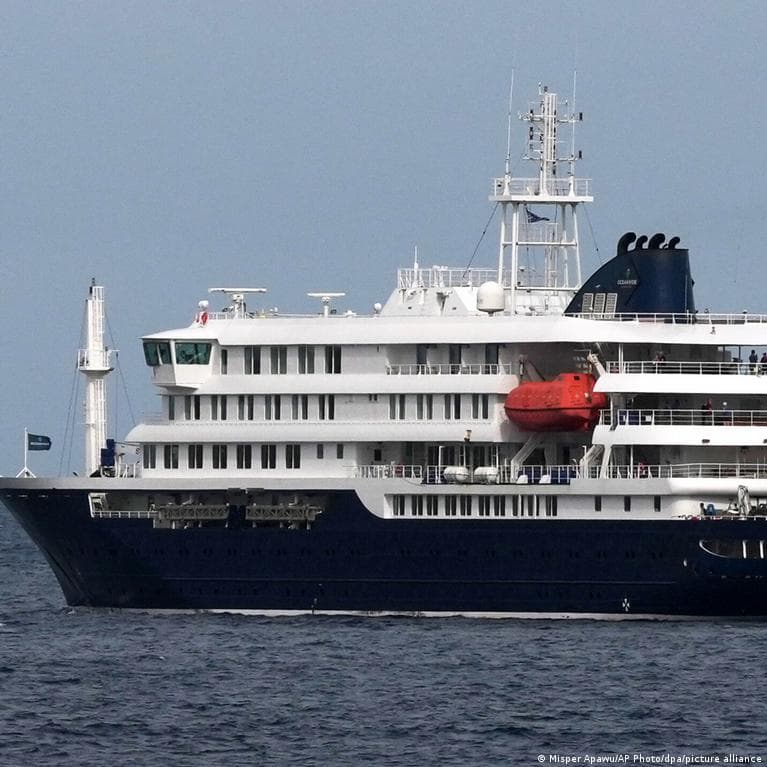
Spanish authorities moved to contain a rare, high-fear hantavirus outbreak aboard the Dutch-flagged MV Hondius by routing passengers through a tightly controlled evacuation at the industrial port of Granadilla, away from residential areas. Travelers were set to leave in sealed, guarded vehicles through a cordoned-off corridor and then continue directly to their home countries, part of a plan designed to limit any chance of spread while avoiding a broader panic.
The World Health Organization said the ship had eight reported cases, including three deaths, and that five of the eight cases had been confirmed as hantavirus. The strain involved is the Andes virus, which WHO says is the only hantavirus species known to spread between humans in limited circumstances, mainly through close, prolonged contact. Even so, WHO assessed the public health risk as low. The agency said it had deployed an expert aboard the vessel, arranged shipment of 2,500 diagnostic kits from Argentina to laboratories in five countries, and was preparing step-by-step guidance for safe disembarkation and onward travel under the International Health Regulations.
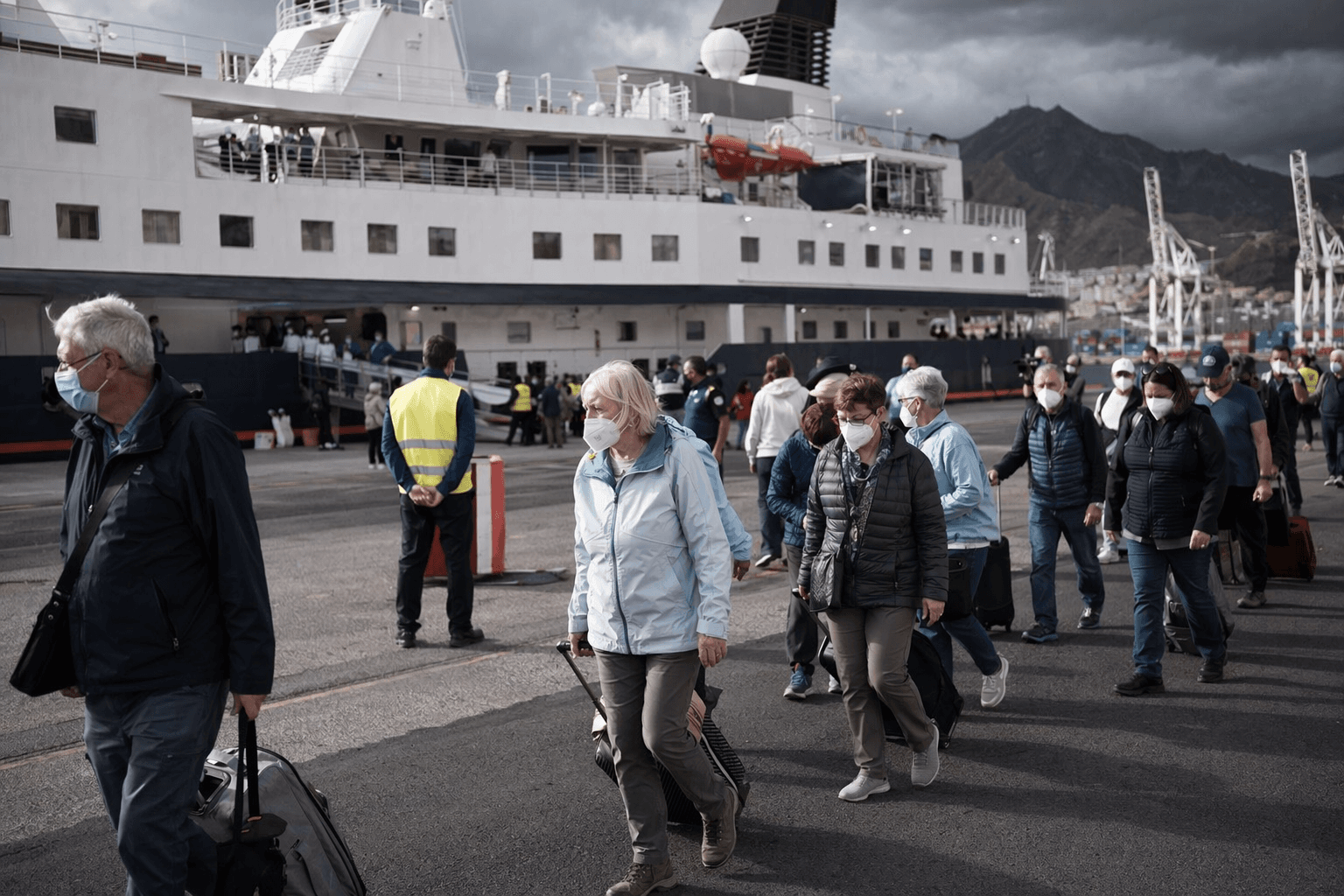
Tedros Adhanom Ghebreyesus arrived in Spain on Saturday, May 9, 2026, to oversee the operation in Tenerife, an unusually visible response for an outbreak that has already crossed several borders. In a direct message aimed at calming residents and travelers, Tedros said the situation was “not another COVID,” a pointed reminder that the pain of 2020 still shapes public fear even when the medical risk is much narrower. His presence signaled a response built on containment, tracing and controlled movement rather than emergency shutdowns.
Spain’s health minister, Monica Garcia, and interior minister, Fernando Grande-Marlaska, were joining the coordination effort as the government activated the EU civil protection mechanism so a medical evacuation plane equipped for high-consequence infectious disease could stand by. The passengers and crew on board represent 23 countries, underscoring how quickly a shipboard illness can become an international logistics problem. U.S. and U.K. authorities agreed to send planes to evacuate their citizens, while Dutch officials said repatriation would proceed subject to medical advice and conditions.
The outbreak began after a male passenger who had traveled through South America developed a probable infection and died on board in mid-April. Since then, cases have been hospitalized in South Africa, the Netherlands and Switzerland, and WHO said the ship had become the focus of an international tracing effort. No one on board was showing symptoms when the evacuation plan was assembled, but the incubation period means more cases could still emerge as authorities try to separate real hantavirus risk from cruise-ship fear.
Know something we missed? Have a correction or additional information?
Submit a Tip