Widower who lost wife and six children remarries in Nigeria mass wedding
Malam Haruna Bashir remarried in Kano after an attack killed his wife and six children. He joined about 1,500 couples in a state-backed mass wedding.

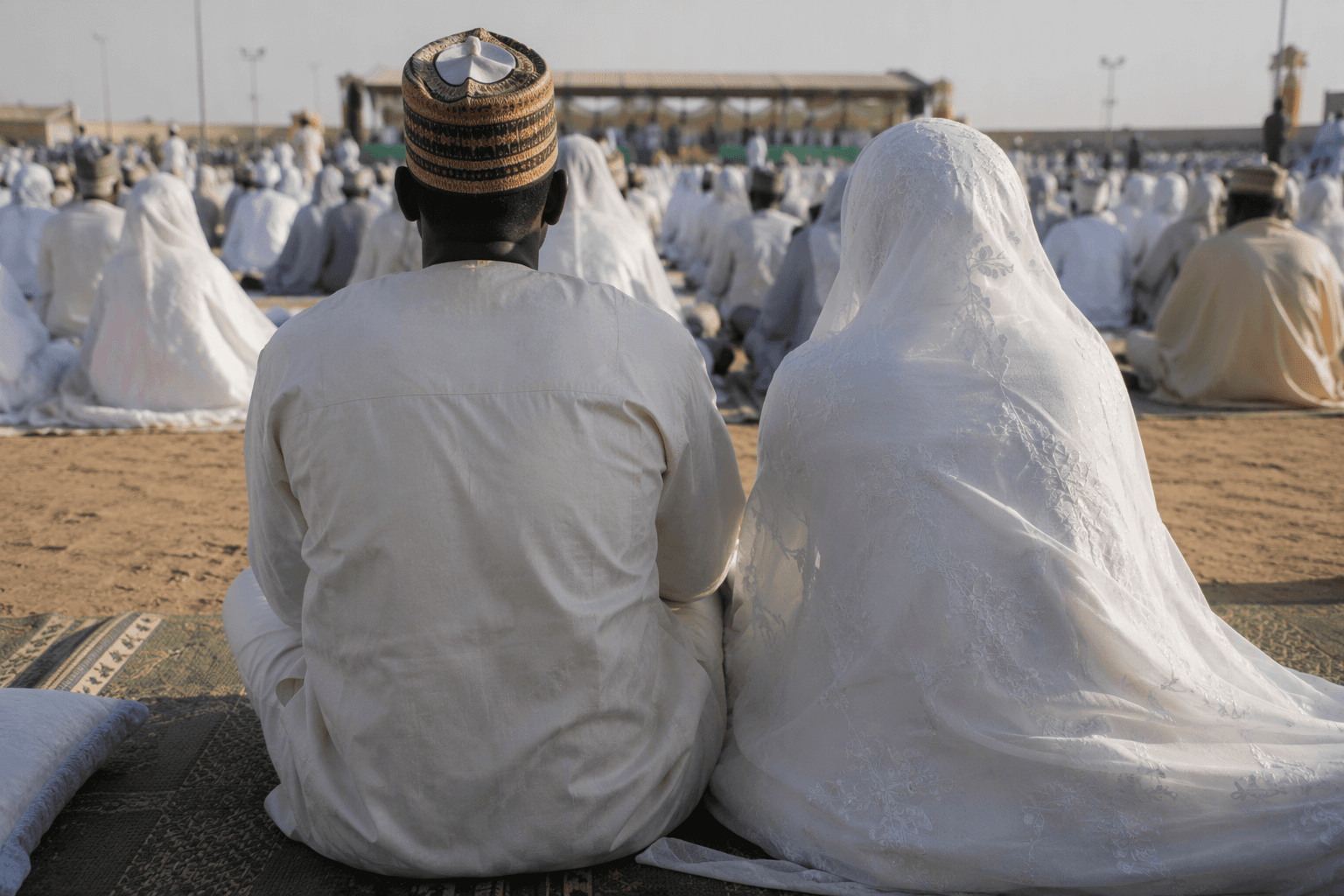
Malam Haruna Bashir, who lost his wife and six children in a violent attack, remarried in Kano State’s mass wedding that brought together about 1,500 couples. His return to marriage turned a public ceremony into a register of survival, grief and rebuilding.
Kano state governor Abba Kabir Yusuf organized the wedding as part of a government initiative designed to help low-income residents cover marriage costs and support family stability. The state presented the program as a way to ease the financial burden of marriage while reinforcing social order in households that might otherwise struggle to form or stay together.
The scale of the ceremony showed how deeply marriage policy has become tied to public welfare in northern Nigeria. Among the couples married were people who had lost family members in violent attacks, placing Bashir’s story inside a wider pattern of displacement and loss. In a region where conflict and poverty have pushed many families to the edge, the mass wedding functioned as both ceremony and assistance, with the state stepping in where ordinary household resources had been wiped out.
Kano has used mass weddings before. In 2012, state officials staged a similar ceremony for divorced or widowed Muslim women, with 100 couples married in the first batch of a planned 1,000. That earlier program was framed as a response to a rising divorce rate and an effort to give women stable homes. More recently, a planned mass wedding for about 100 orphans triggered public outrage, underscoring how quickly these programs can become politically sensitive when questions of vulnerability, religion and state responsibility collide.
The repeated use of mass weddings in Kano points to a broader governing logic: when security fails and household income is thin, the state does not only police or administer. It also intervenes in family formation, using collective marriage ceremonies to spread costs and project social stability. For Bashir, that meant remarrying in the shadow of a massacre that destroyed his first family, inside a system meant to help residents start again after violence has already taken so much.
This article was produced by Prism’s automated news system from verified source data, official records, and press releases, then run through automated quality and moderation checks before publishing. The system is built and supervised by the people who set the standards it runs under. Read our full AI policy.
Did this article answer your question?