World Bank cuts 2026 growth forecast as Middle East conflict jolts markets
The World Bank cut 2026 global growth to 2.5%, warning that a deeper energy shock could drag it to 1.3% and lift inflation to 4.4%.

The World Bank has downgraded its 2026 global growth forecast to 2.5%, warning that the Middle East conflict is pushing the world economy toward its weakest pace since the onset of COVID-19. The bank said the outlook could deteriorate far further if energy disruptions widen and financial markets come under stress, a scenario in which growth would slow to 1.3% and inflation would climb to 4.4%.
The downgrade runs through the most ordinary channels of economic pain: higher fuel bills, pricier shipping, stickier inflation and tighter borrowing costs. The World Bank’s baseline assumes Brent crude averages $94 a barrel in 2026, about 36% above 2025 levels, while headline inflation is expected to hold at 4.0%. In its June 2026 Global Economic Prospects report, the bank said the conflict has already triggered sharp increases in energy prices, renewed inflationary pressures and expectations of tighter monetary policy across many countries.
The shock is not confined to the Middle East. Forecasts for two-thirds of economies were downgraded from January, with some of the sharpest cuts hitting the United Arab Emirates, Iraq and other energy exporters. Reuters tied the downgrade to the war launched by U.S. and Israeli strikes on Iran, and said the closure of the Strait of Hormuz has already disrupted energy markets, feeding expectations that central banks will have to stay cautious for longer.
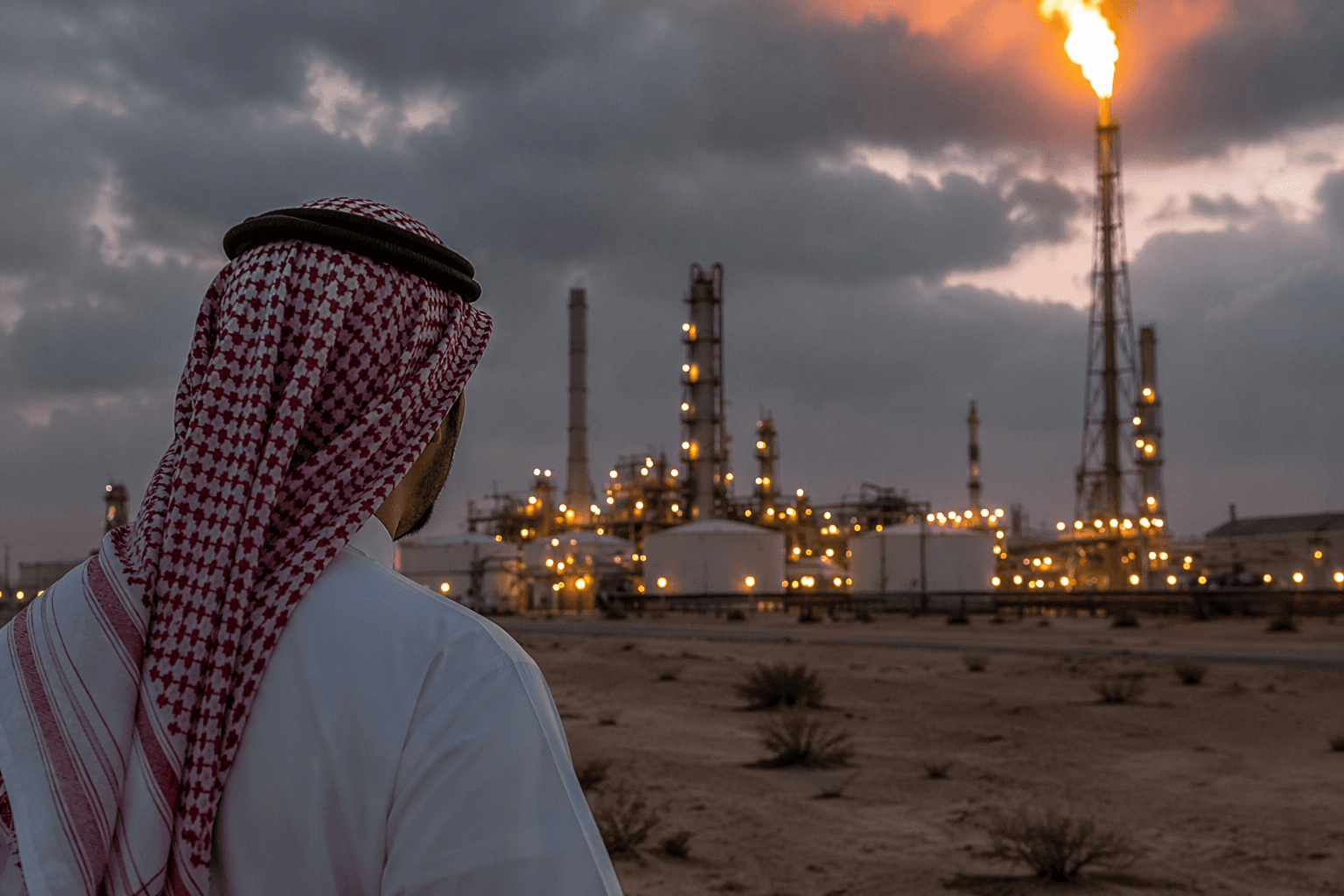
That matters well beyond oil producers because energy prices flow into transport, manufacturing and food. World Bank commodity research says energy prices are projected to surge 24% in 2026 to their highest level since Russia’s invasion of Ukraine in 2022, while fertilizer prices are also rising sharply, raising the risk of spillovers into food markets. A sustained jump in fuel and shipping costs would squeeze importers, widen trade deficits and make it harder for households and businesses to borrow at affordable rates.
Ajay Banga, the World Bank president, said developing countries have faced a series of shocks over the past decade and argued that the mission now is to “protect people and preserve stability today” while still keeping growth and jobs in view. The bank also warned that developing economies outside China and India risk nearly a decade without meaningful progress in narrowing their per-capita income gap with advanced economies.
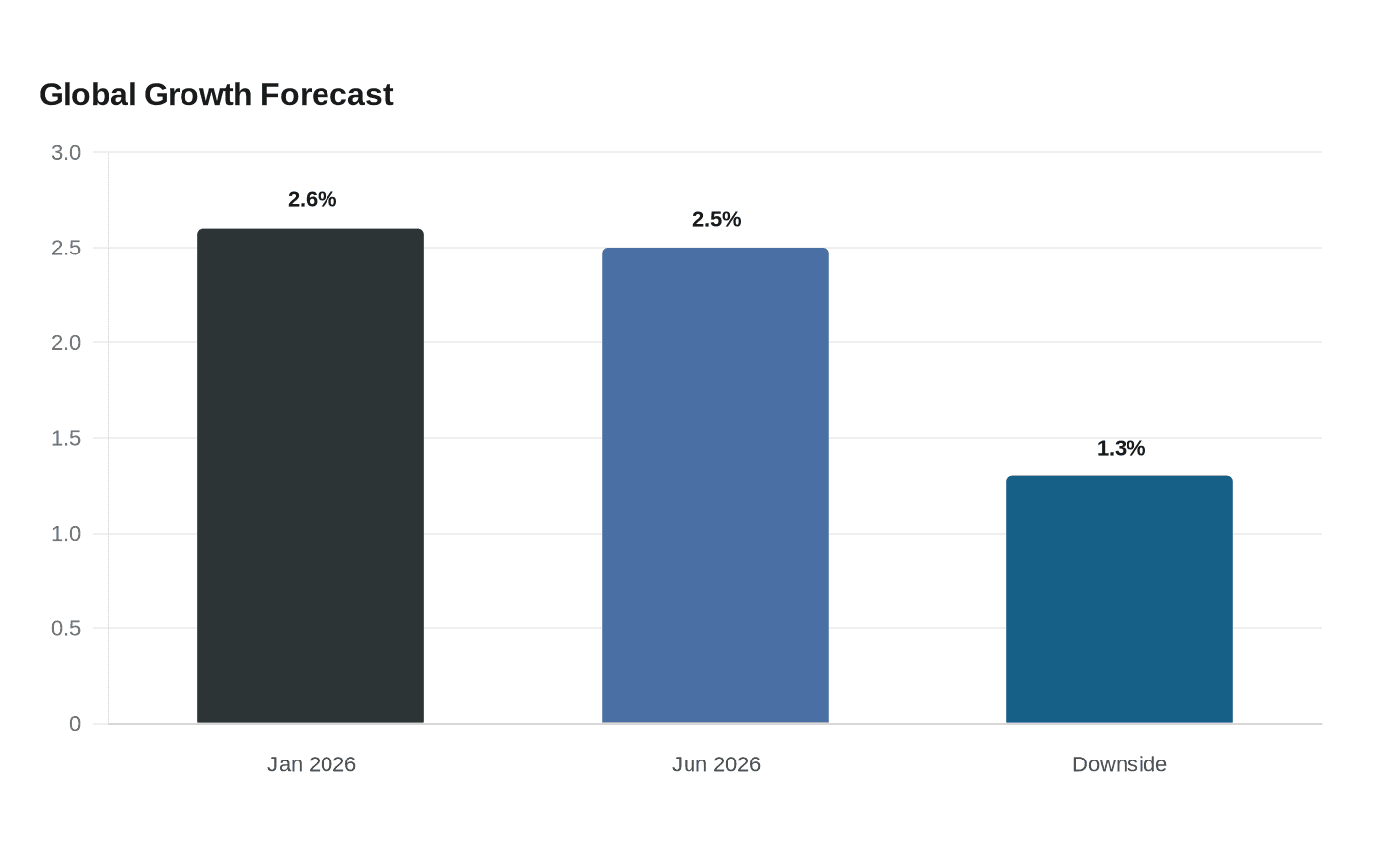
The January 2026 forecast had already projected global growth easing to 2.6% in 2026 and described the world economy as resilient despite trade tensions and policy uncertainty. The June revision shows how quickly that picture changed. The bank still expects activity to firm in 2027 and 2028 as energy supplies recover, monetary easing resumes and trade strengthens, but the immediate risk is that a regional war keeps reaching into global wallets long after the fighting stays offshore.
This article was produced by Prism’s automated news system from verified source data, official records, and press releases, then run through automated quality and moderation checks before publishing. The system is built and supervised by the people who set the standards it runs under. Read our full AI policy.
Know something we missed? Have a correction or additional information?
Submit a Tip