World Bank unveils tailored strategy for small island economies
The World Bank is shifting small-state lending toward jobs, resilience and private investment as island economies face costly shocks and debt strain.
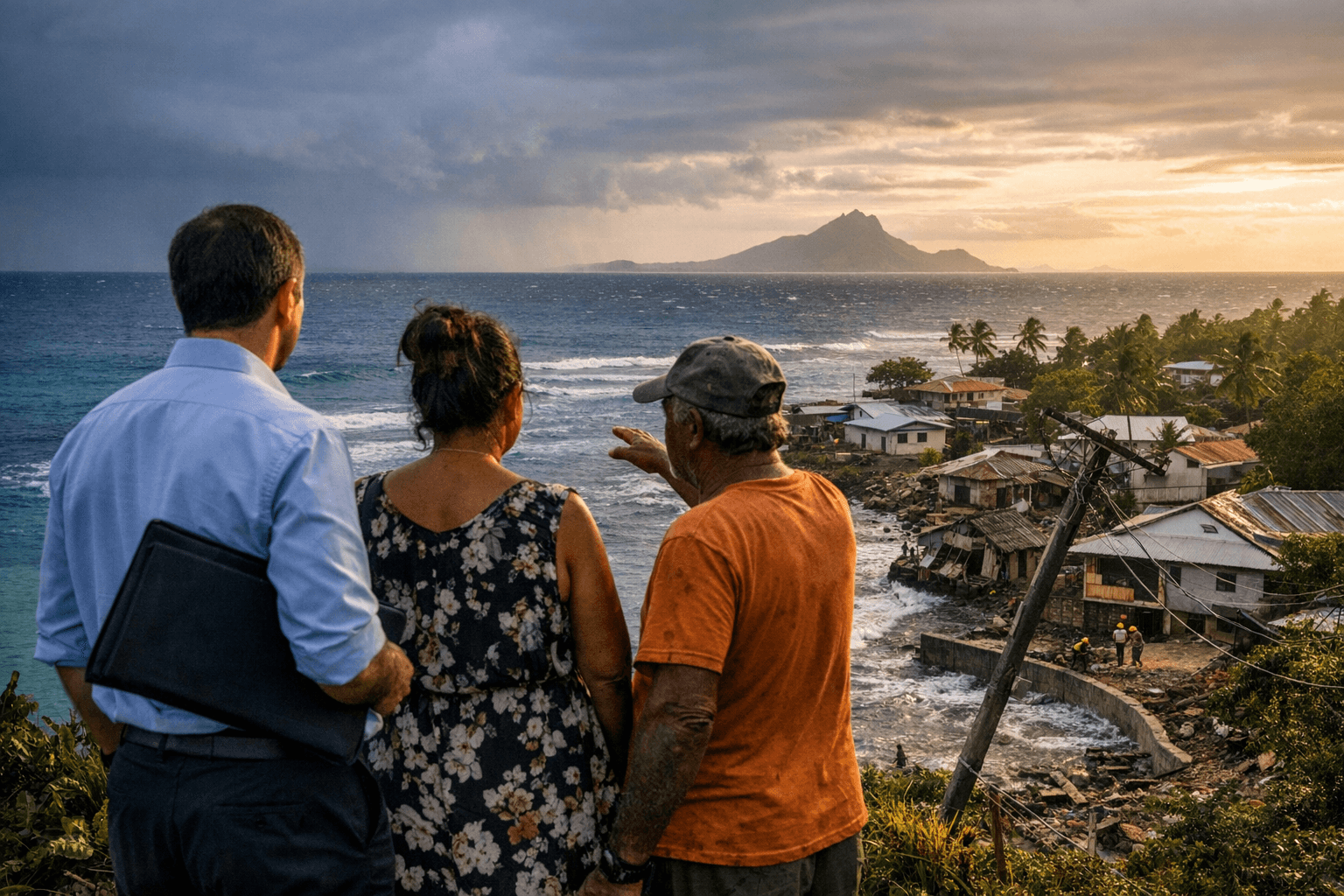
The World Bank is recasting its approach to small island and microstate economies, betting that a more selective, job-centered model can do more for countries that are too small to absorb shocks but too important to overlook. Its new Small States Strategy, disclosed April 14 and dated February 28, was built around the idea that remoteness, heavy import dependence, narrow economic bases and repeated climate shocks demand a different kind of development finance.
At a closed-door gathering during the IMF-World Bank Spring Meetings in Washington, D.C., Ajay Banga told ministers and central bank governors from 50 small countries that the institution would take a “differentiated” approach rather than apply a single template across economies that often have populations of about 1.5 million or fewer. The strategy steers support toward a focused set of Lighthouse Initiatives: health, connectivity, affordable energy, resilient infrastructure, fiscal sustainability and micro, small and medium-sized enterprises. The Bank says those are the channels most likely to create jobs quickly, raise private investment and make it easier for firms to operate and expand.
The timing matters because the scale of vulnerability is easy to underestimate. The World Bank says small states face external shocks from economic crises, commodity price swings, natural disasters and climate change, and it has also warned that working in these countries can cost up to four times more than in larger economies. In that context, the institution is promising faster delivery, more flexible financing and solutions that stretch each dollar further. That is a practical test of whether development finance can move beyond one-off projects and toward lending terms that are better suited to highly exposed island economies.
The Bank’s own numbers show how much is already at stake. As of June 30, 2025, the active IBRD and IDA portfolio in small states reached $8.2 billion in net commitments, more than doubling the FY18 level of $3.4 billion and topping the prior peak of $6.9 billion in FY22. A January 2026 update put the portfolio at $7.8 billion as of December 2025, underscoring how central these markets have become to the Bank’s pipeline even before the new strategy takes full effect.
The Bank is also pointing to early applications, including a co-financed urban resilience project in Tonga and planned partnerships with other multilateral development banks to expand the model in the Caribbean. Tonga’s government said Prime Minister Eke welcomed the strategy and thanked the World Bank for guidance tailored to Pacific small states. The larger question now is whether that tailored language will translate into faster disaster response, less debt vulnerability and finance that better fits the fragile arithmetic of island economies.
This article was produced by Prism’s automated news system from verified source data, official records, and press releases, then run through automated quality and moderation checks before publishing. The system is built and supervised by the people who set the standards it runs under. Read our full AI policy.
Did this article answer your question?