World Bank Warns Uganda Foreign Funding Bill Could Hinder Projects
The World Bank warned Uganda’s foreign funding bill could expose routine development work to criminal liability, sharpening the stakes around a law critics say can curb dissent.
The World Bank has warned Uganda that a proposed law targeting foreign-funded organizations could hinder its work in the country, turning a domestic sovereignty fight into a test of how far Kampala can tighten control without disrupting development financing. A letter seen by Reuters said the bank viewed the bill as a direct threat to its operating environment, not just a symbolic political gesture.
The Protection of Sovereignty Bill, 2026 was introduced in Uganda’s Parliament on April 15 by Internal Affairs State Minister David Muhoozi for first reading. The measure would regulate people and organizations that receive foreign funding, a category that includes civil society groups, some media outlets and development actors that depend on outside money to operate. The World Bank’s objection matters because Uganda is a low-income country with a population of 45.9 million, and it relies heavily on external support for projects, policy coordination and public-sector reform.
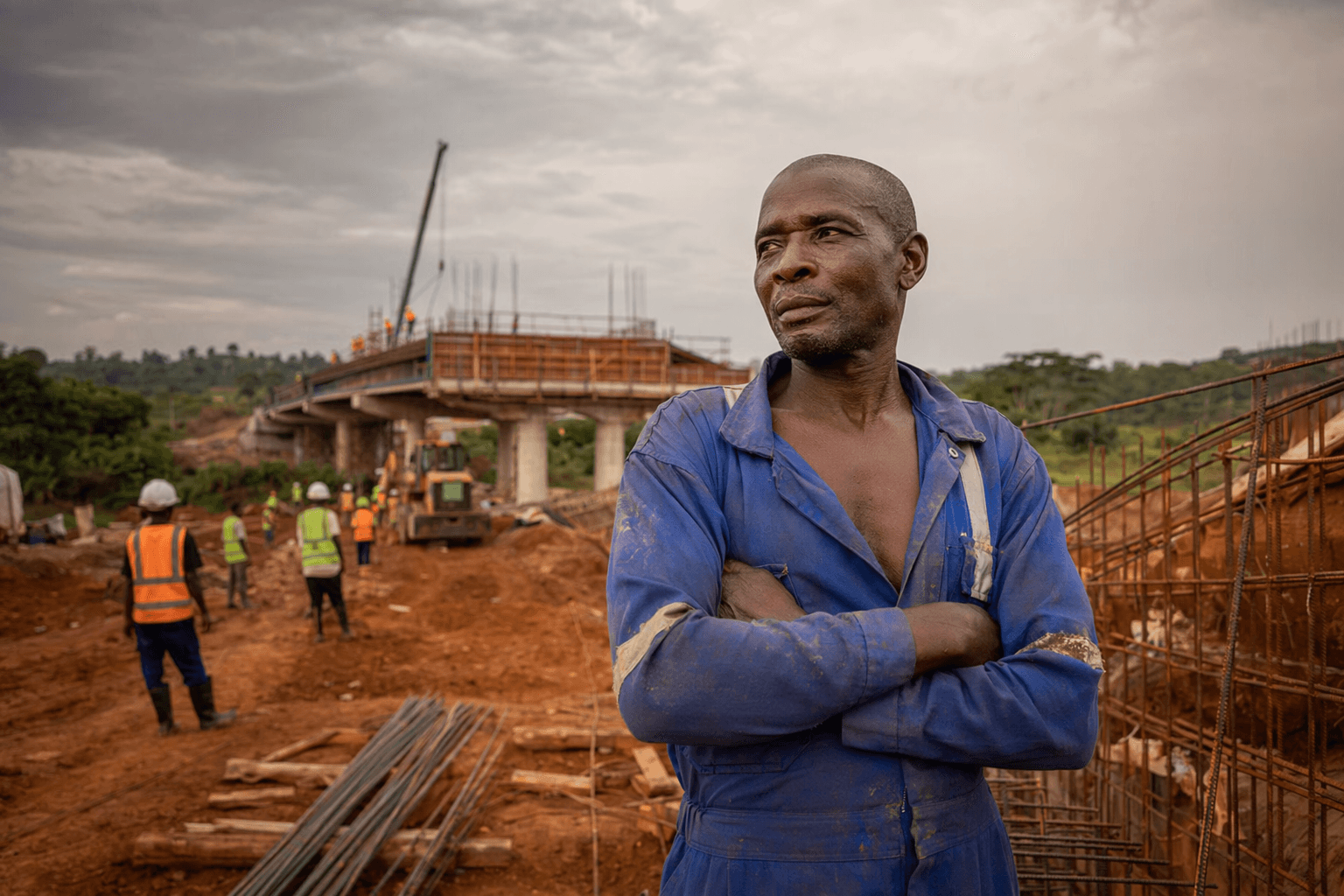
According to the Reuters-sourced excerpt, the bank warned that the bill could expose a broad range of routine development activities to criminal liability, including meetings where alternative policy ideas are discussed. It also said the bill did not clearly distinguish treaty-based international organizations from other foreign actors, a gap that could create confusion for multilateral lenders and project partners working in Uganda. That concern raises the possibility that the legislation could affect not only advocacy groups but also the practical mechanics of aid delivery, from consultations to program oversight.
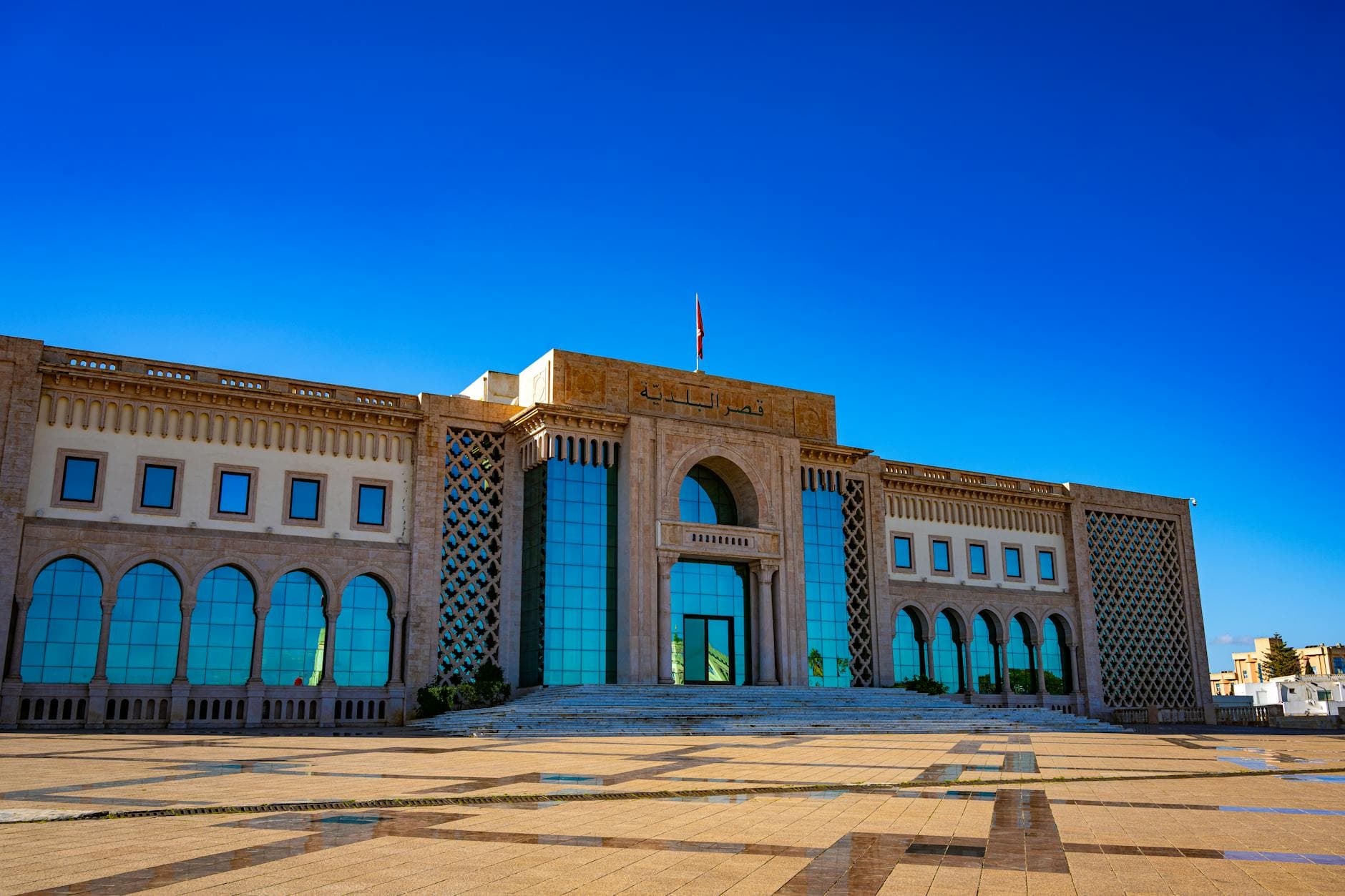
Rights groups say the political risks are just as serious. Human Rights Watch said on April 23 that the bill threatened speech and assembly and could be used to shut down civil society. The Committee to Protect Journalists went further on April 24, saying it could be used to imprison journalists for up to 20 years if they critically reported on economics, foreign policy or elections. CPJ also said the bill could cap foreign media funding at about $100,000 and place newsrooms under intrusive state oversight.
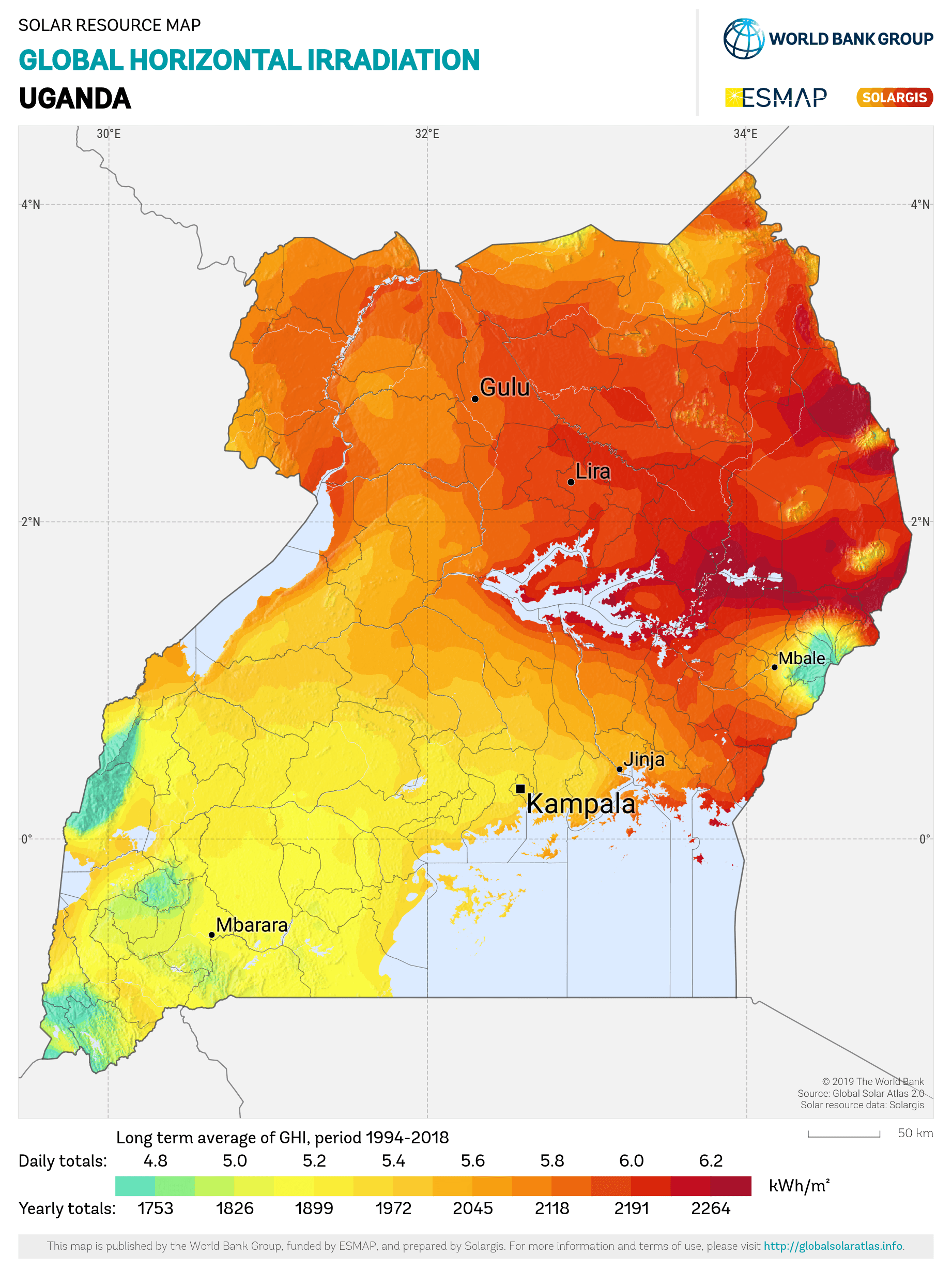
Reuters said the bill has also drawn criticism from banks, traders, the political opposition, civic groups and people who depend on remittances in foreign currency from abroad. That broad backlash underscores the bill’s economic as well as political reach. Under President Yoweri Museveni’s long rule, Uganda has repeatedly faced accusations of restricting opposition, journalists and protesters. The World Bank’s warning suggests this latest measure could test not just the country’s democratic space, but also the trust that underpins its funding relationships.
This article was produced by Prism’s automated news system from verified source data, official records, and press releases, then run through automated quality and moderation checks before publishing. The system is built and supervised by the people who set the standards it runs under. Read our full AI policy.
Did this article answer your question?