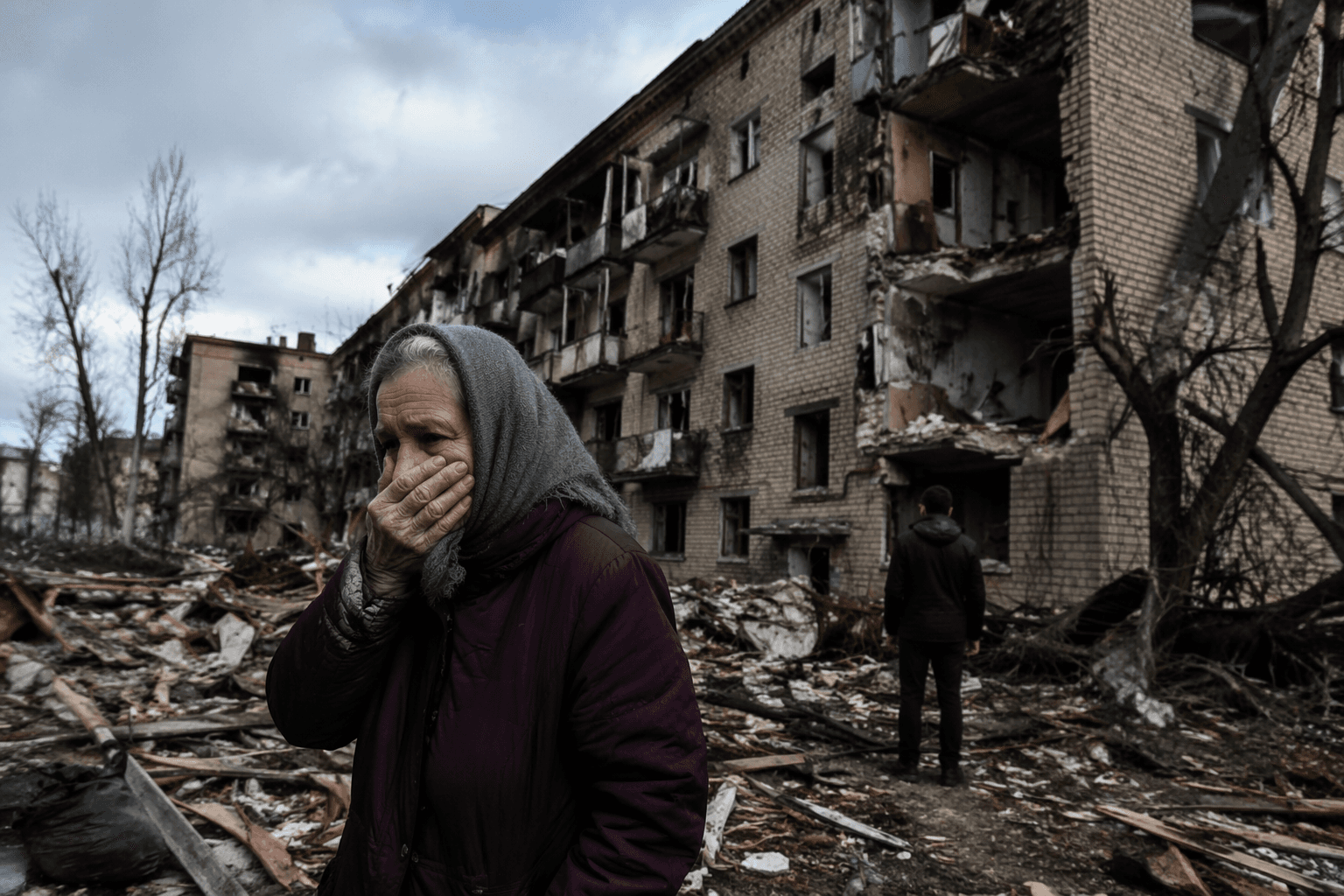
Zaporizhzhia nuclear plant reconnected to grid after ceasefire repairs
Zaporizhzhia’s plant was reconnected after nearly three days without outside power, with repairs completed under an IAEA-brokered ceasefire.
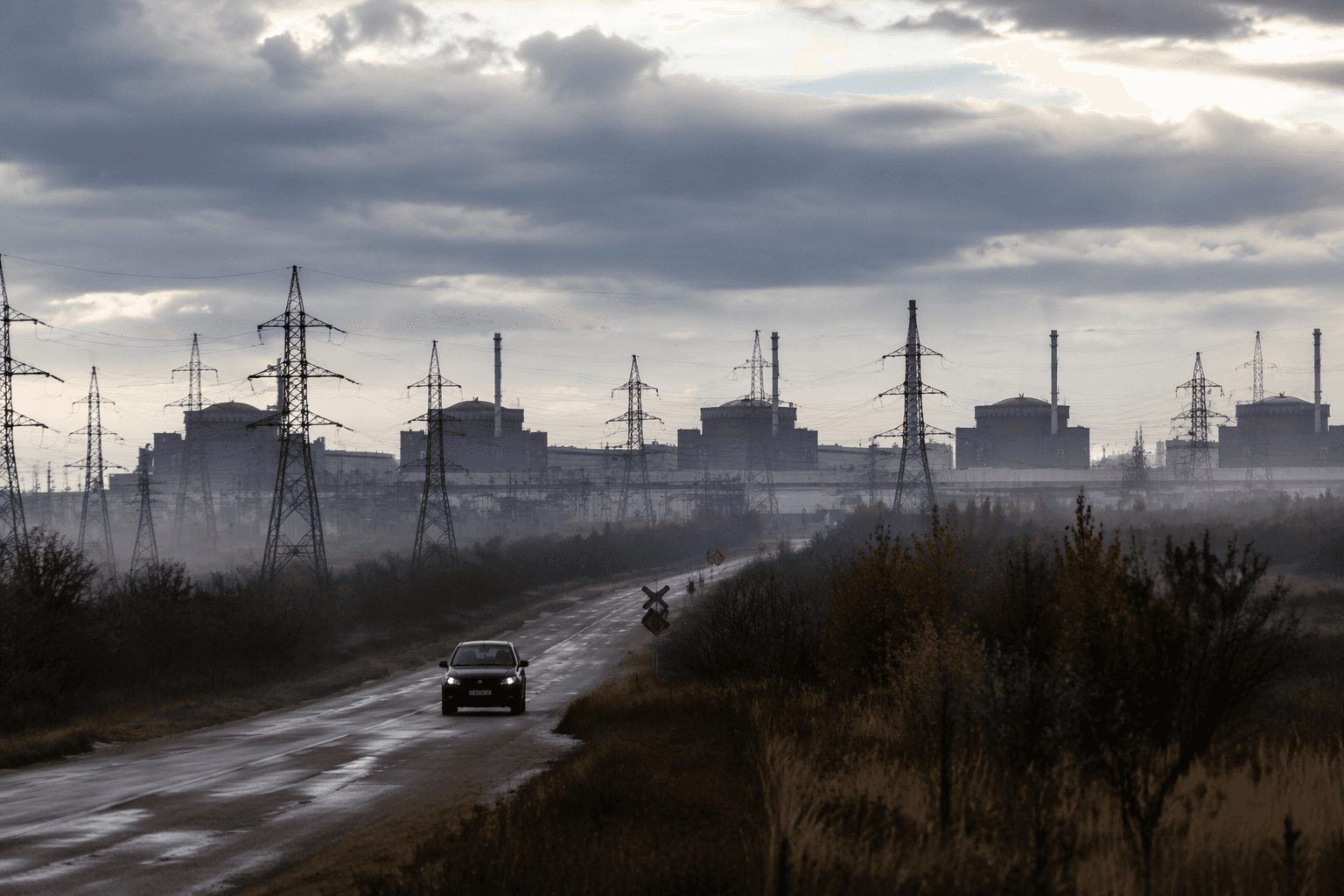
Zaporizhzhia’s nuclear plant was reconnected to the grid after nearly three days without off-site electricity, restoring the external power supply that keeps its safety systems alive. The repairs were carried out under a localized ceasefire brokered by the International Atomic Energy Agency, a rare pause in fighting around one of the war’s most dangerous industrial sites.
The stakes at Europe’s largest nuclear plant go well beyond electricity generation. Zaporizhzhia has six shut-down reactors that still require continuous cooling for the reactor cores and spent fuel, and when outside power is lost the plant’s emergency diesel generators automatically start to maintain essential safety and security functions. That backstop has repeatedly been tested during more than three years of war, with the site losing all off-site power ten times, according to the IAEA.
The latest repair underscored how dependent the plant has become on short, technical arrangements just to keep basic safety margins intact. Before the war, Zaporizhzhia had access to ten external power lines. Today, the plant remains exposed to repeated line failures and wartime damage. The 330 kV Ferosplavna-1 backup line was disconnected on February 10, 2026, while the 750 kV Dniprovska line has been disconnected since March 24, 2026, leaving the plant highly vulnerable to another total blackout.
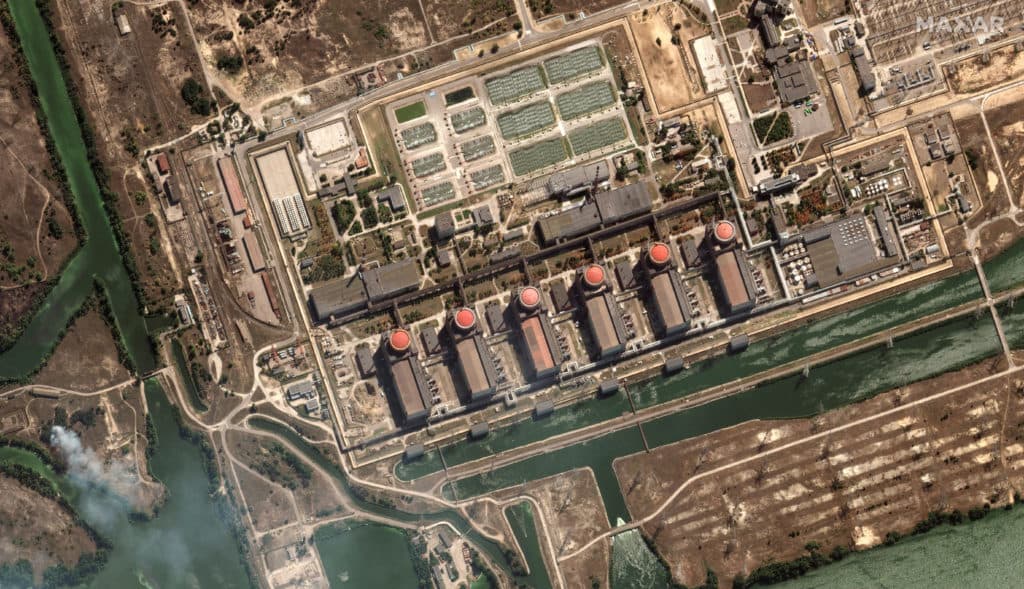
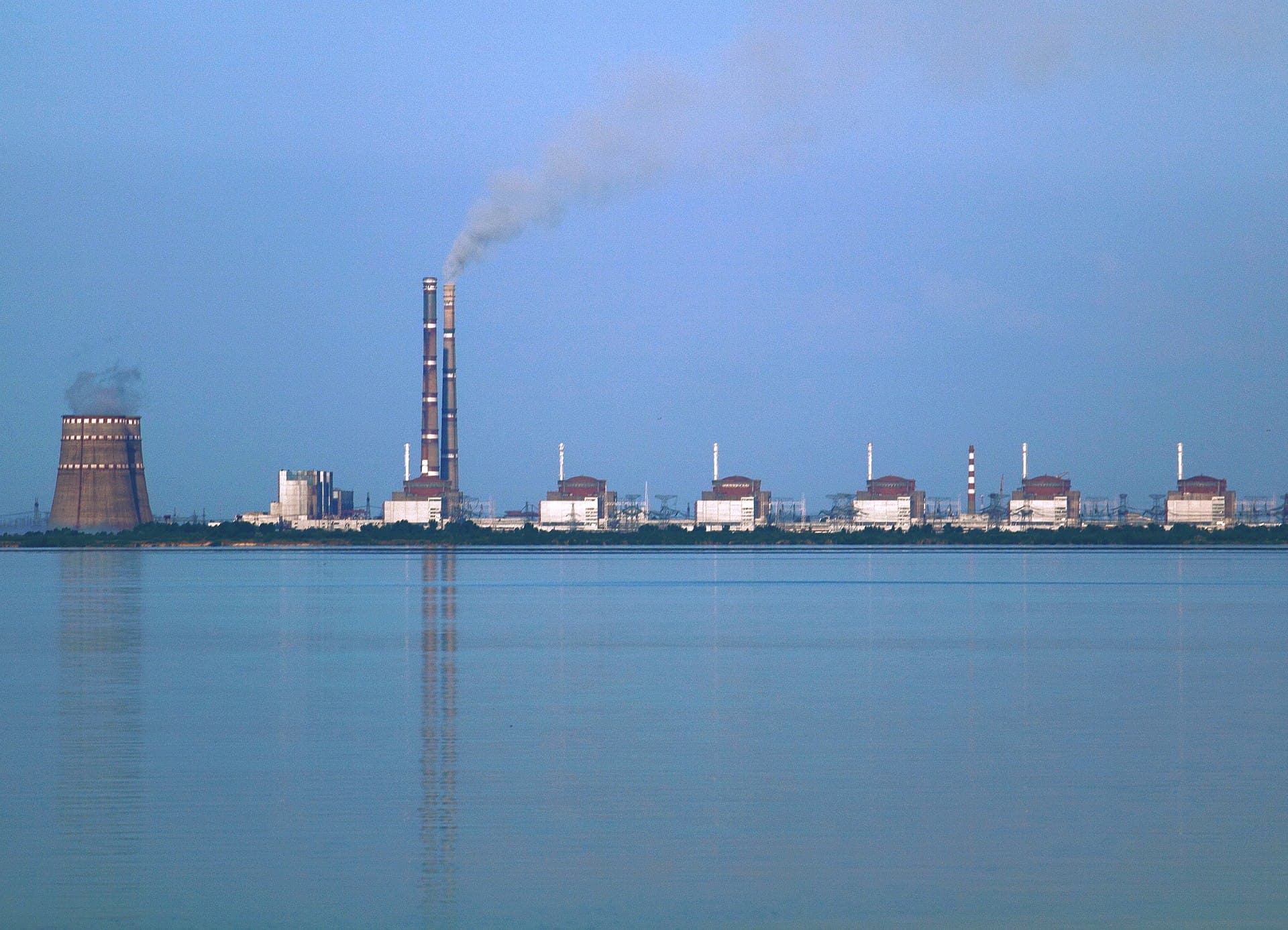
IAEA Director General Rafael Mariano Grossi has said the plant’s external electricity situation remains extremely fragile. In March, the agency said Zaporizhzhia was reconnected to a back-up power line after repairs completed under the protection of the fifth local ceasefire negotiated by the IAEA, showing that this latest reconnection fits a pattern of ad hoc crisis management rather than any durable fix. The plant has been shut down since mid-2022, but its reactors and spent fuel still need stable cooling and reliable grid access. In Russian-occupied southern Ukraine, that has made the IAEA less a distant monitor than an emergency broker, piecing together temporary safety arrangements while the war continues around the plant.
This article was produced by Prism’s automated news system from verified source data, official records, and press releases, then run through automated quality and moderation checks before publishing. The system is built and supervised by the people who set the standards it runs under. Read our full AI policy.
Know something we missed? Have a correction or additional information?
Submit a Tip