Zimbabwe grants lithium export quotas as it pushes local processing
Zimbabwe gave quotas to two Chinese miners, but only if they commit to local processing, annual accounts and tighter environmental and labor compliance.
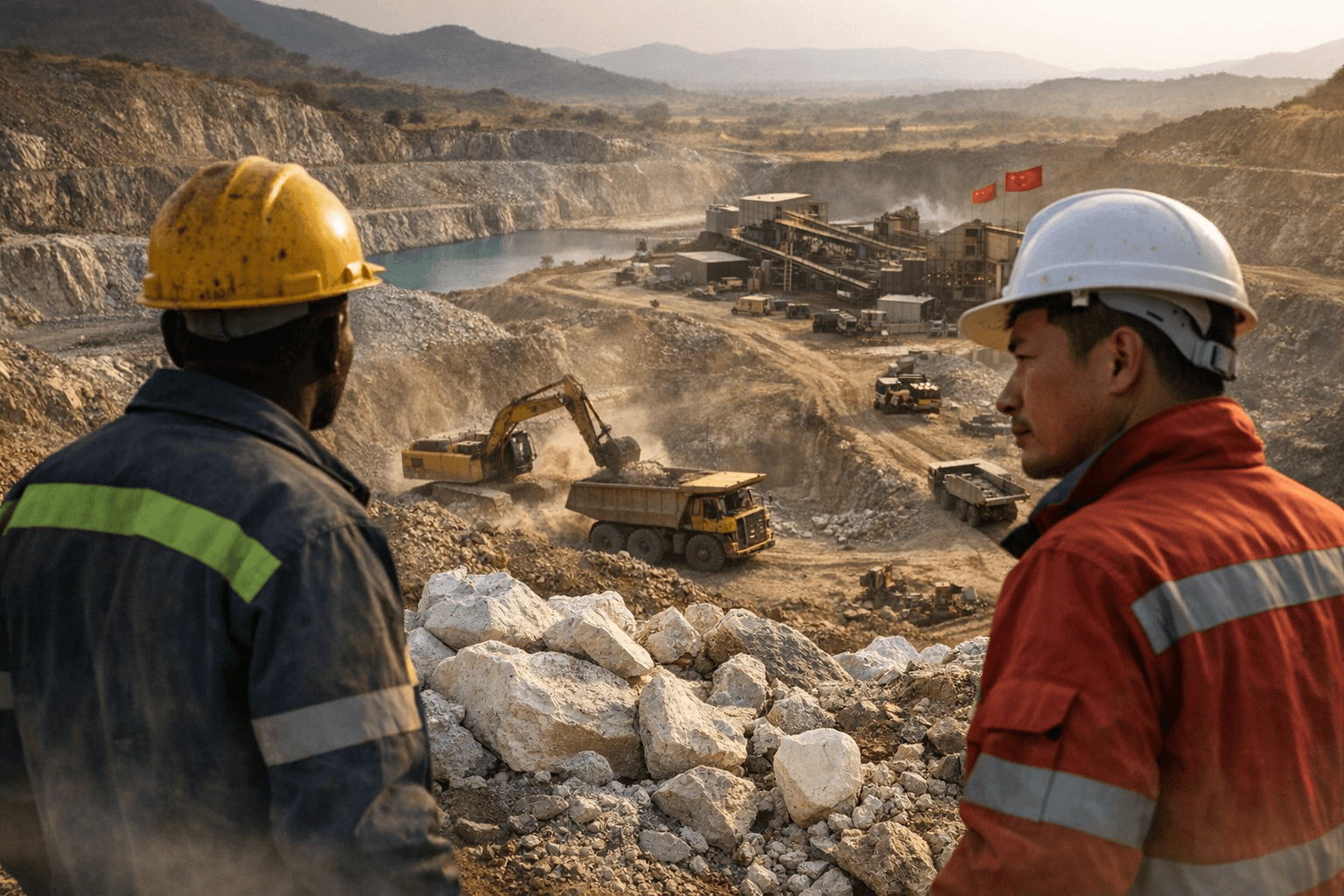
Zimbabwe has begun handing out lithium export quotas after shutting the door on unprocessed shipments, signaling that access to the market will now depend on how much value miners are willing to leave behind in the country.
State media reported that Sinomine Resource and Chengxin Lithium received quotas for lithium concentrate, a first sign that the new system can reopen trade for selected producers. The quota framework followed Zimbabwe’s February 26 suspension of exports of lithium concentrates and other unprocessed minerals, a move the government said was needed to tighten control over a fast-growing sector and force more domestic processing before shipments resumed.
The mines ministry set out the terms in an April 8 letter to the Zimbabwe Chamber of Mines. Approved quotas would be communicated to each producer, but the green light came with conditions: companies had to commit to local processing, comply with labor, safety and environmental standards, and publish annual financial statements. Industry guidance also said miners would need to submit written commitments, including plans to build lithium sulphate processing plants in Zimbabwe.
The policy did not remove the cost of export controls. A 10% tax on lithium concentrate remained in place until January 2027, when Zimbabwe planned a full ban on exports of unprocessed lithium concentrate. That timeline gives miners less than a year to adapt to a market that is being reshaped around beneficiation, the idea that raw materials should be processed locally before leaving the country.
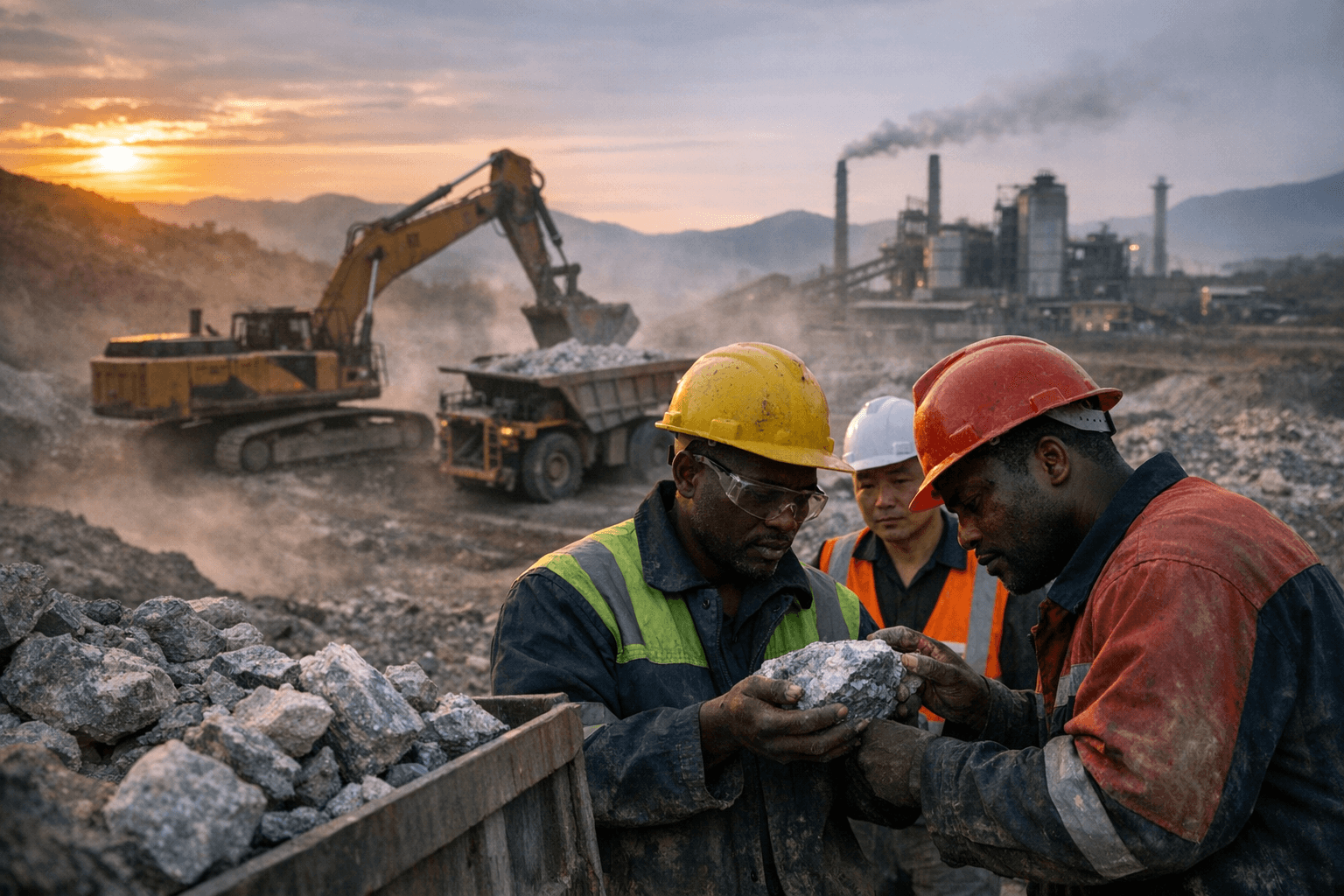
The stakes are high because Zimbabwe has become a significant supplier to China’s battery supply chain. The country exported 1.128 million metric tons of lithium-bearing spodumene concentrate to China in 2025, equal to about 15% of China’s lithium concentrate imports that year. That volume helps explain why the quotas matter not only for Zimbabwe’s revenue, but also for global battery and electric vehicle supply chains.
Chinese groups already dominate much of Zimbabwe’s lithium sector. Alongside Sinomine Resource and Chengxin Lithium Group, the field includes Zhejiang Huayou Cobalt, Yahua and Tsingshan Holding Group. The new rules suggest Harare is trying to keep foreign investment in the sector while forcing more processing, more tax income and more industrial capacity onto Zimbabwean soil. For miners, the message is clear: exports can resume, but only under a tighter regime that demands more than just digging and shipping ore.
This article was produced by Prism’s automated news system from verified source data, official records, and press releases, then run through automated quality and moderation checks before publishing. The system is built and supervised by the people who set the standards it runs under. Read our full AI policy.
Did this article answer your question?