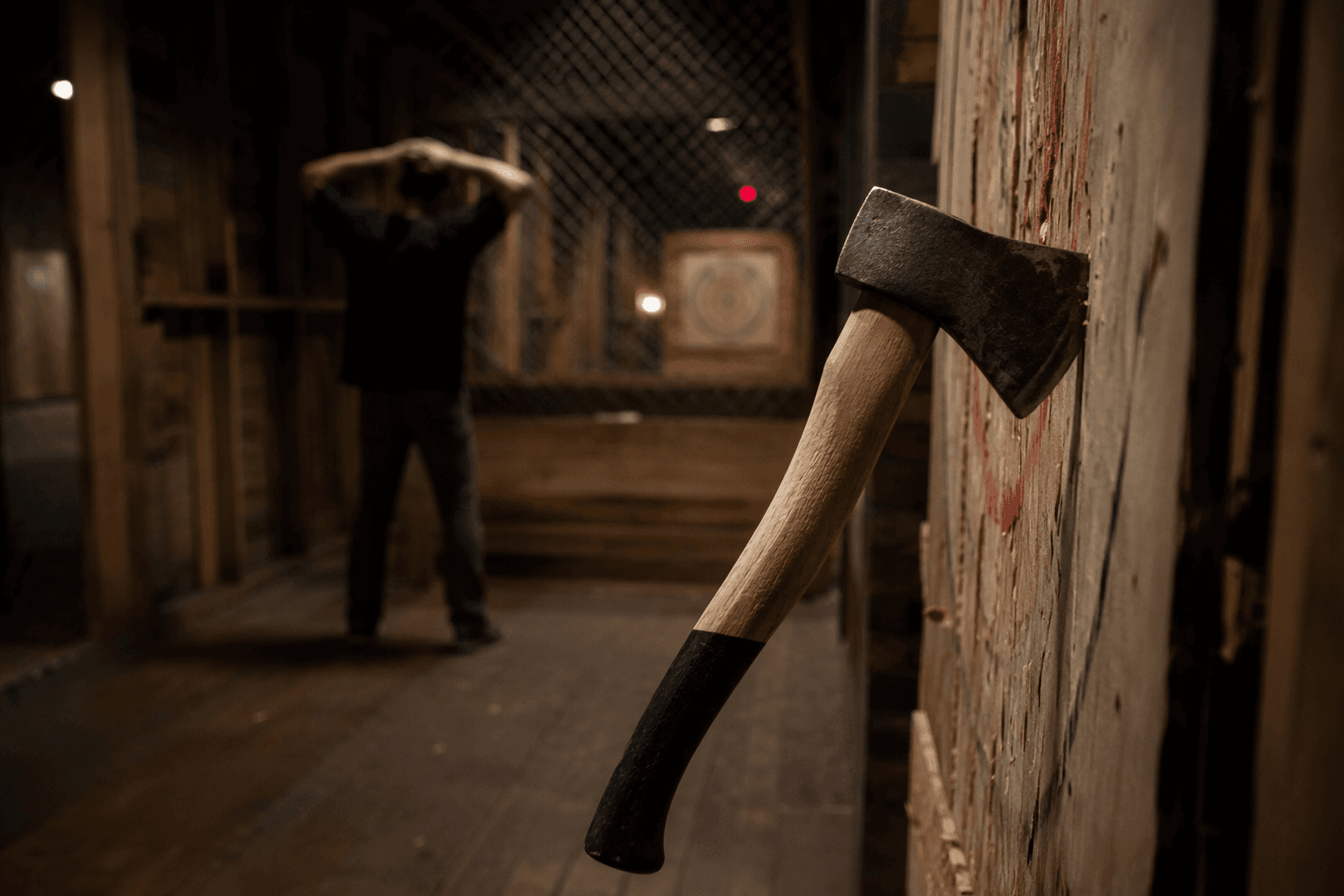
Axe throwing guide explains sport’s rise, rules and tournament format
Axe throwing now runs like a real circuit, with safety briefings, 10-throw games and league pathways to world championships.

Axe throwing has moved well past the “try it once” stage. A first session now follows a clear script, starting with safety instruction and ending with a head-to-head knockout, which is why the sport feels easier for newcomers than it looks from the outside. That same structure also explains the bigger shift: what began as a novelty around 2015 is now organized through governing bodies, ranked play and championship routes.
What a first session looks like
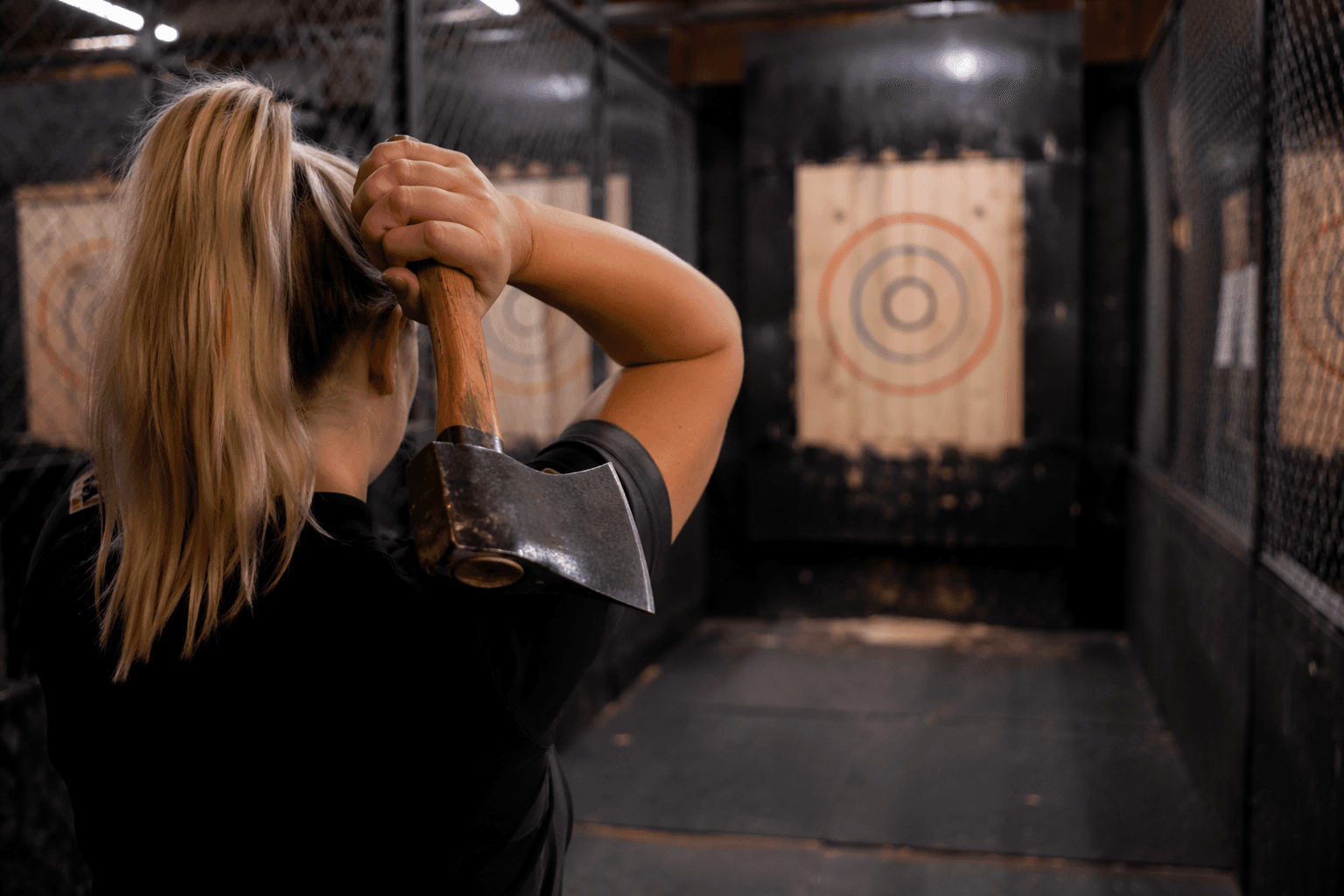
The opening minutes matter most. A certified instructor usually begins with a safety briefing, covering lane rules, demonstrating the throw and making sure everyone understands the basics before anyone steps to the target. That is the point where a casual social activity starts to feel like a real sport, because the rules are not just about fun, they are about keeping the lane controlled and the motion repeatable.
After that comes the practice block, and this is where first-time throwers usually settle in. Participants take multiple warm-up shots and get individualized coaching, which helps them build a throw they can repeat instead of relying on luck. The format is deliberate: it gives players time to learn the target, adjust their grip and feel the distance before the score starts to count.
Why the game format matters
Once the warm-up ends, the session moves into scored games. WATL’s official rules say a standard game is decided after 10 throws, with the highest score winning. That makes the sport readable fast, even for someone who has never thrown before: every toss matters, but the scoring window is short enough that the pressure builds quickly.
The usual finish is a head-to-head knockout tournament, which gives the session a clean competitive climax. Instead of ending as a loose rotation of turns, the night closes with elimination rounds and a winner. That is a big reason axe throwing has spread beyond date nights and group outings, because the format gives casual players a real competitive finish without requiring months of experience.
The governing bodies behind the sport
The modern version of axe throwing is organized by two names that define the competitive side of the game: the World Axe Throwing League, or WATL, and the International Axe Throwing Federation, or IATF. WATL says it is the global governing body for the sport, with standardized rules, certified venues and officials, sanctioned leagues and tournaments, and an official leaderboard. It dates its current organization to 2017 and says it has more than 300 affiliated venues across 20 countries.
IATF takes a similar but distinct role. It says it was established in 2016 to standardize rules and facilitate interleague competition, and it says its rule system dates back more than 16 years. That system underpins league play for more than 20,000 competitive axe throwers, which tells you this is not just a bar-game ecosystem anymore. It is a regulated competition structure with enough depth to support serious local, regional and international play.
How league play is built
WATL’s competition pathway is where the social version of the sport turns into a true season. It runs four official seasons per year, and each season includes eight weeks of gameplay. That cadence gives throwers a clear entry point: join a league, learn the scoring, see where you stack up and then decide whether to keep moving deeper into competition.
The playoff format can be single- or double-elimination, and the final championship is typically best of 2/3. That matters because it changes the skill profile of the event. A one-shot novelty can favor randomness; a playoff bracket and a championship series reward consistency, pressure control and the ability to make the same throw when the room tightens up.
WATL also links league play to the World Axe Throwing Championship. That pathway is the clearest sign that the sport now operates like a ladder rather than a one-off attraction: practice, league, playoffs, championship. For anyone deciding whether to stick with the sport, that structure answers the most important question early. There is somewhere to go after the first night.

The role of safety and control
The game’s growth has not come from making it wilder. It has come from making it more controlled. IATF’s gameplay rules say all participants, including spectators, match officials, scorekeepers and employees, must avoid actions that endanger physical safety. That language is broad for a reason: axe throwing depends on disciplined lanes, clear movement and people knowing when not to step in or cross through.
That safety-first approach is also what helps the sport work for beginners. The briefing, the coached practice and the short scoring format are all part of the same design. They lower the intimidation factor without lowering the competitive bar, which is why a first session can feel approachable and still point directly toward sanctioned play.
Why the sport keeps expanding
Axe throwing’s modern rise, which began around 2015, tracks with the way venues have learned to package it. Some places lean into the social side, making the session feel like a night out with friends. Others function more like entry points into leagues, where the same target, lane and scoring system become the first step toward sanctioned competition.
That split is important for anyone trying to choose a venue or decide whether to keep going. If the goal is just a good night, the safety briefing and game block are enough. If the goal is competition, the real markers are the official rules, the 10-throw game, the bracket format and the league pathway that can end at a world championship. Axe throwing is still easy to try, but it is no longer hard to see where serious play begins.
This article was produced by Prism’s automated news system from verified source data, official records, and press releases, then run through automated quality and moderation checks before publishing. The system is built and supervised by the people who set the standards it runs under. Read our full AI policy.
Did this article answer your question?