Five common axe throwing mistakes that stall improvement
Most slumps come from one or two repeatable errors, not a lack of power. WATL’s league structure shows how setup, release, distance, reads and mindset fix them.
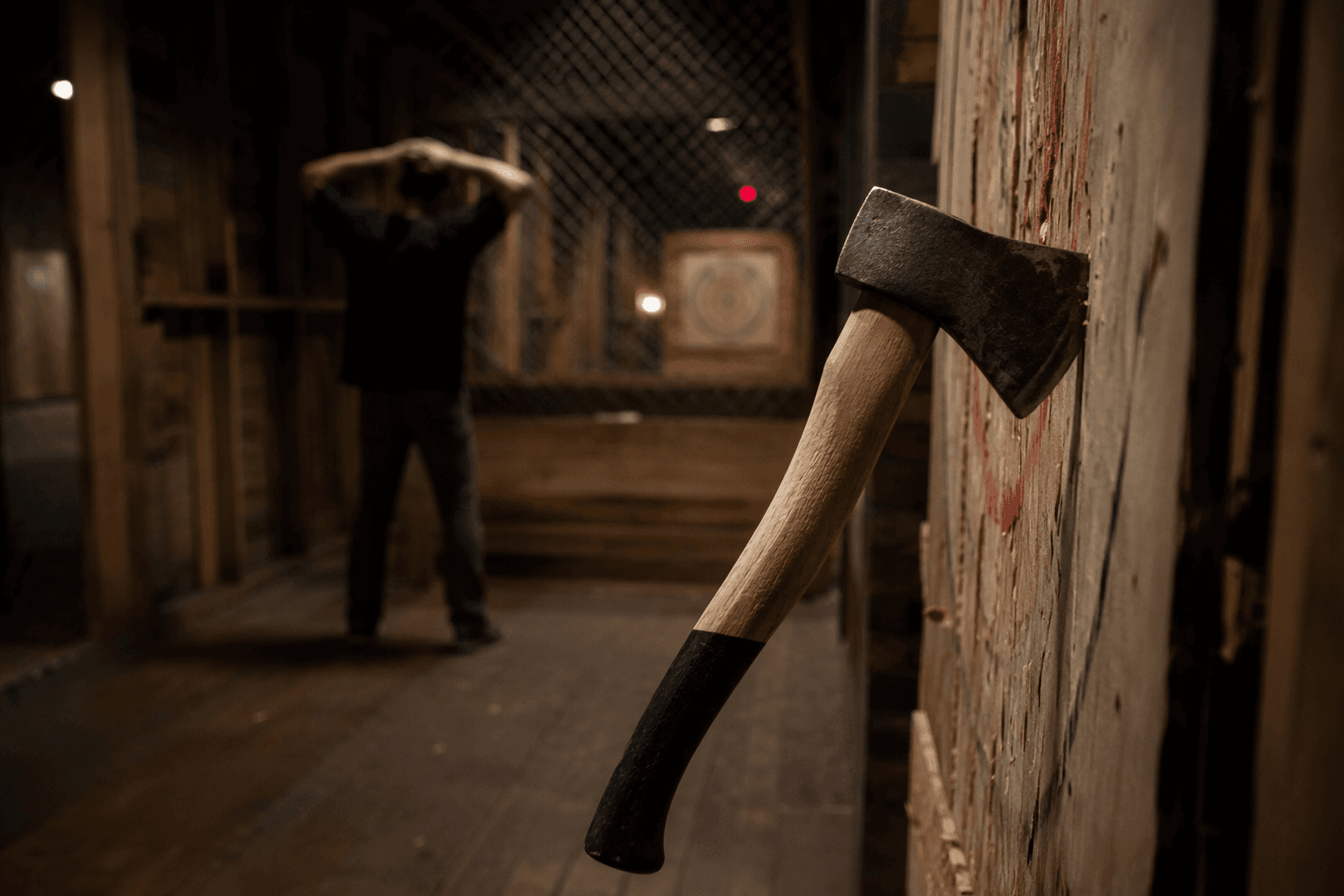
Axe throwing usually stalls for one reason: the same miss keeps coming back dressed up as a new one. WATL, which calls itself the “Global Governing Body” of axe throwing, says it has more than 300 affiliated venues across 20 countries, while its LinkedIn page puts the network at 250+ locations with over 20 countries represented. Its 2026 Season 3 runs from July 13 through September 13, and the 10th World Axe & Knife Throwing Championship is set for April 2027 in Appleton, Wisconsin, so the sport already has the kind of standardized ladder that exposes repeatable errors fast.
Start every throw from the same platform
If your first throw lands in the kill shot and the next one sails high, the problem may be built into the setup before the axe ever moves. An unstable stance changes the release point by inches, and in a sport where the target rewards repeatable geometry, those inches matter more than raw force. WATL’s rules-heavy ecosystem exists for exactly this reason: sanctioned play punishes inconsistency.
The correction is simple and brutally honest. Pick one foot position, one hip angle, one shoulder line, and lock them in for the whole practice set. Put tape on the floor or use the same board markers every time, then throw 10 axes without changing your base, because the goal is not to look comfortable, it is to make your body show the same picture to the target every rep.
Stop muscling the axe
The classic over-grip shows up in two ways: the throw feels forced, and the axe leaves your hand late, which usually means the rotation is off. When throwers try to add power with the arm and shoulder, they often create the exact opposite of control, because the release turns into a fight instead of a clean motion. The miss pattern is usually obvious: too much effort, too little consistency.
The fix is to back off the urgency and let the throw happen on the same path every time. Next practice session, throw a short set at what feels like 70 percent effort and watch whether the rotation cleans up as the grip relaxes. The point is not to baby the throw forever, but to prove you can hit the board without squeezing the handle like it owes you money.
Find the distance that matches your throw
Standing at the wrong distance is one of the easiest ways to sabotage a good swing, and one of the most common reasons a player keeps missing the same way. Axe throwing is as much about repeatable geometry as it is about arm strength, so a stance that works at one venue or with one axe may fail when the board feel changes. That is why even advanced players have to revisit their setup when they change axes, move to a new venue, or adjust to a different target feel.
The correction belongs in the next practice block, not in theory. Work from one fixed starting distance, then move in small, deliberate increments until the axe starts hitting with the same rotation and the same board entry every time. Once you find the sweet spot, write it down and stop guessing, because distance errors are often disguised as “bad throws” when they are really bad math.
Read the board like it owes you points
Players who do not study where the axe is actually landing tend to repeat the same miss over and over. A throw that lands low-left three times is not random, it is information, and the board is handing it over for free. The problem is that too many throwers stare at the result instead of using it, so the next throw is just a rerun of the last mistake.
Treat every throw as data. After each rep, note the entry angle, the impact point and whether the miss is drifting the same direction, then make one adjustment only. If the axe is consistently sticking handle-high, or favoring one edge of the face, do not chase three fixes at once, because the fastest way to stall improvement is to keep changing the wrong variable.
Reset after the miss instead of chasing it
The mental mistake is the one that turns a single bad throw into a wrecked round. A miss is not a match loss, but plenty of players react to it like the whole session is already gone, which leads to rushed throws, tighter shoulders and a second miss that is really just panic wearing a different jersey. That spiral is exactly what standardized league play is built to expose and control.
WATL’s growth makes that lesson impossible to miss. The league traces its start to 2017, when representatives from Canada, the United States, Brazil and Ireland were part of the early push, and an early Facebook post said it already had 19 axe throwing nations with membership. A September 15, 2021 founder video revisited that origin story, and a March 22, 2023 WATL video with founder Mario summarized how hatchet leagues work, which is a reminder that structure matters as much as talent. After a bad throw, use the same pre-shot routine, take the same breath, and send the next one from the same mental place, because the best throwers do not erase mistakes, they refuse to compound them.
This article was produced by Prism’s automated news system from verified source data, official records, and press releases, then run through automated quality and moderation checks before publishing. The system is built and supervised by the people who set the standards it runs under. Read our full AI policy.
Did this article answer your question?