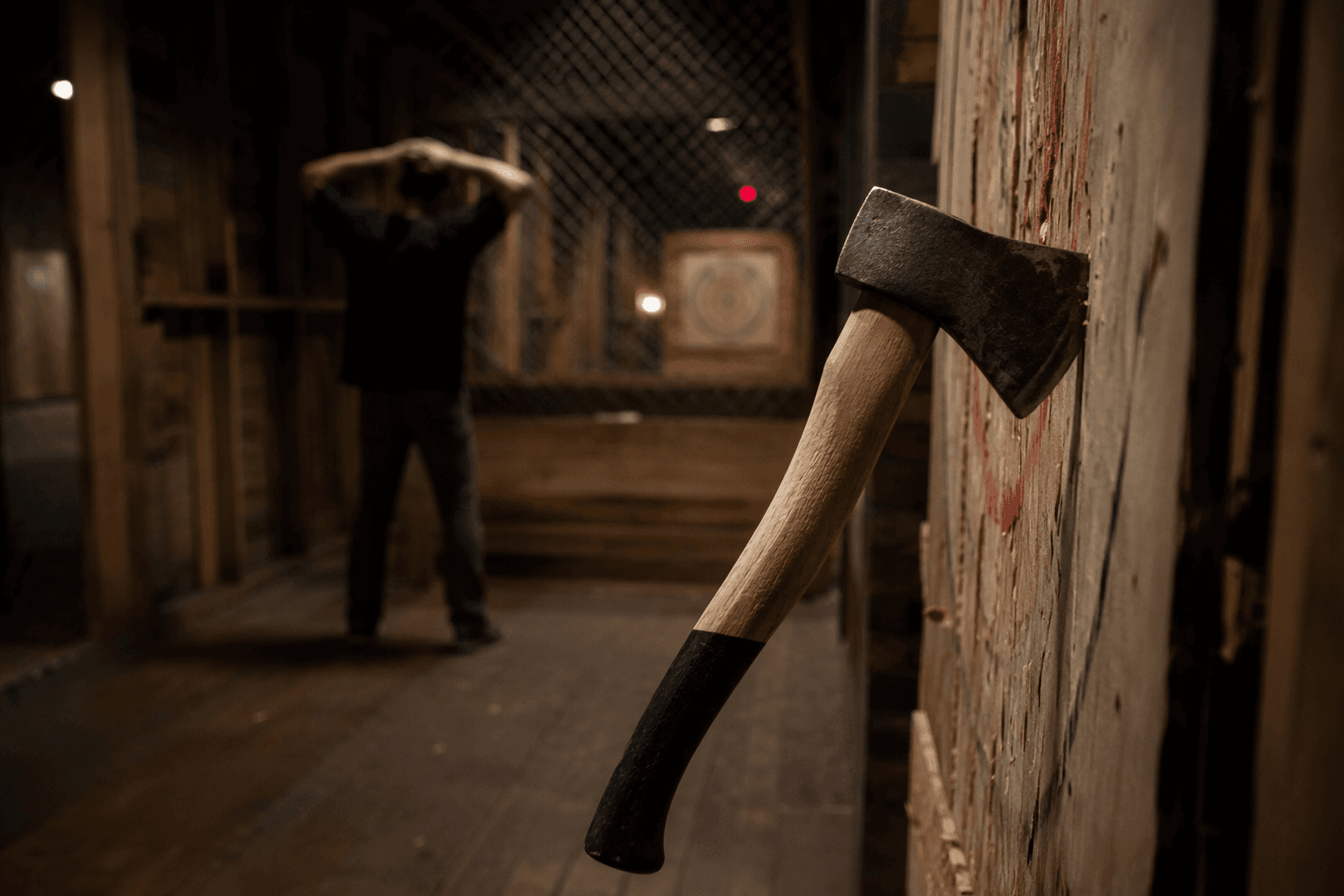
Axe throwing tournament guide helps first-time competitors prepare for competition
First-timers can use check-in, warmups and judge-led bracket play to settle the nerves before their first sanctioned axe tournament.
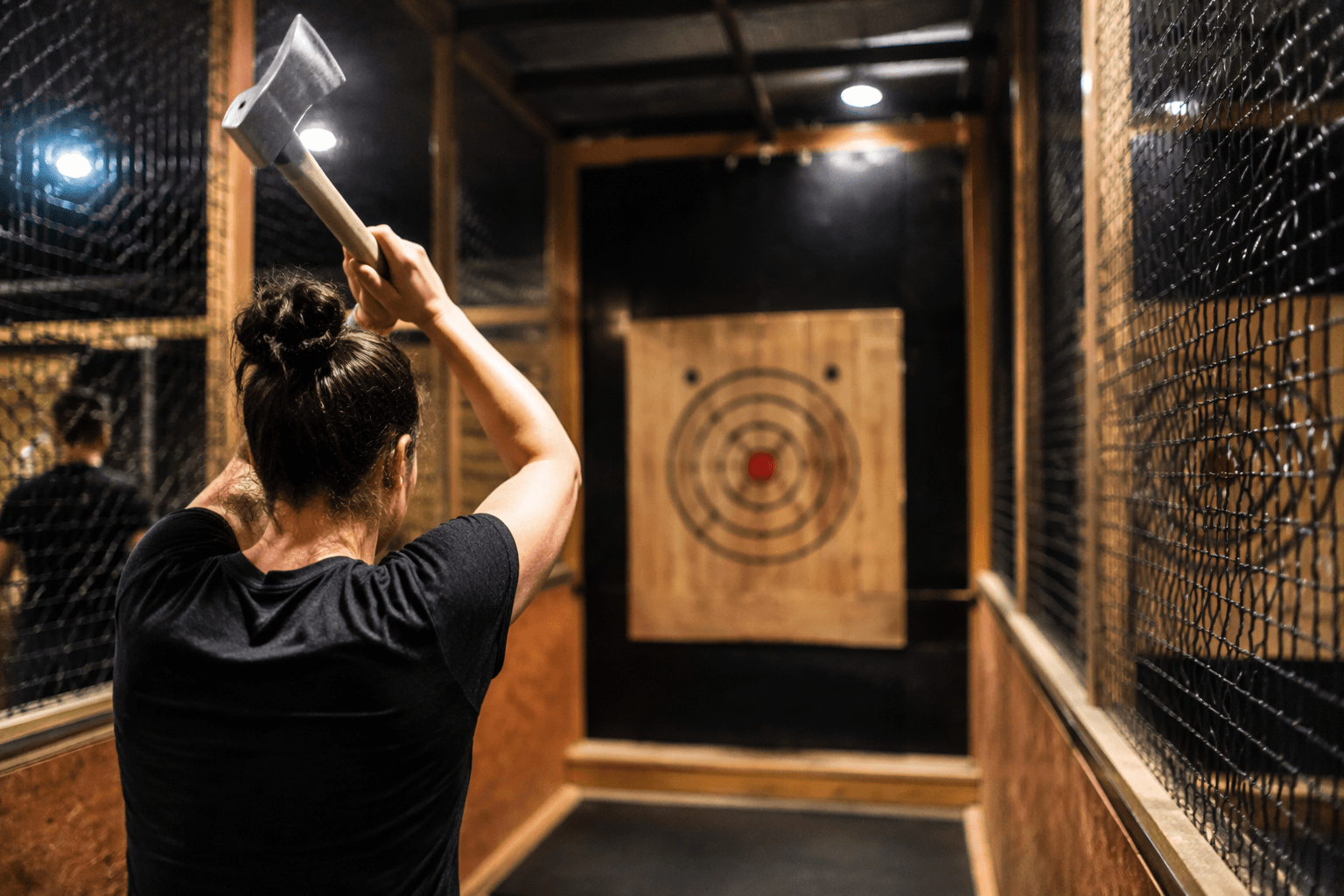
Check-in, lane assignment and warmup usually decide how a first axe throwing tournament feels before the first axe leaves your hand. Open play or league night can feel easier because every throw in a tournament sits inside a judge-run format, and one rough round can alter the path forward fast.
Start at check-in, not at the target
Treat arrival as part of the competition, because the clock starts working against you long before bracket play does. A sanctioned World Axe Throwing League event is built around standardized judging and scoring, so the first minutes are about getting oriented, learning your lane and settling into the room before the pressure rises.
WATL lists more than 300 affiliated venues across 20 countries worldwide. For many players, the path begins in a familiar league or open-play setting before tournament day makes everything feel sharper.
Use warmup to lock in rhythm, not to reinvent your throw
Warmup is where you protect yourself from first-tournament nerves. The best move is to keep your throwing routine repeatable, make a few calm throws, and resist the urge to troubleshoot every miss before the bracket starts. Hatchet leagues are a pathway for new competitors, and that same logic applies here: use the early throws to settle your body and your timing, not to overhaul mechanics on the spot.
The event environment is often the first real challenge. Noise, unfamiliar opponents and a judge watching each release create a different pressure than a relaxed league night, where you can drift into rhythm over time. A WATL rules explainer video from August 12, 2021 walks through competition basics, and a 2020 explainer highlights terms such as kill shots, boards and rotations, all of which can surface quickly once the match day vocabulary starts flying around.
Know what the head judge is actually doing
At a sanctioned event, the Head Judge is not there as background scenery. Under WATL’s official rules, the Head Judge is responsible for interpreting and applying the rules as fairly and consistently as possible, and the Head Judge’s discretion can overrule written rules when that is needed to apply the rules as intended.
For a first-timer, that changes how you handle confusion. If a call needs clarification, ask early and do it calmly, because the official in charge is there to keep the competition fair rather than to reward guesswork.
Bracket play feels tighter than league night
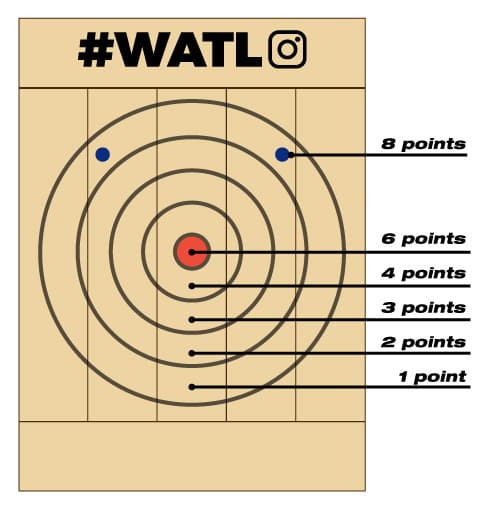
Once bracket play begins, the match flow gets more formal and more consequential. Lane assignment, turn order and scorekeeping all become part of the rhythm, and the judge’s role becomes more visible as each throw is tracked inside the structure of the match. It is common for the format to feel less forgiving than casual play, because a single bad round can change where you land in the bracket.
The throws do not become physically different, but they start to feel heavier because every result carries more consequence. If you have spent most of your time in league play, the move to bracketed elimination can feel like a speedup in both tempo and meaning.
Change the habits that work on league night
Some league-night habits need to go on pause the moment the tournament starts. You cannot assume you will figure out the format after the bracket begins, and you should not rely on improvisation to cover for uncertainty. The safer habit is to ask questions before your lane heats up, stick to a repeatable pre-throw routine and reset quickly after a miss instead of carrying it into the next turn.
This is also where etiquette becomes part of performance. Tournament settings are competitive, but they are still social spaces, and WATL’s event structure makes that obvious by putting players in close contact with judges and opponents throughout the day. More often than not, the opponent across the lane becomes the practice partner you talk to after the match.
See the larger circuit before you step in
The first tournament is not an isolated event. Tournament play is part of a larger qualifying and championship circuit, and WATL’s current calendar shows how organized that pathway has become: 2026 Season 3 runs from July 13 through September 13, and the 10th World Axe & Knife Throwing Championship is scheduled for April 2027 in Appleton, Wisconsin, United States.
A March 22, 2023 WATL video presents hatchet leagues as a clear entry point for newer players, while the league and tournament rules materials show how standardized scoring, judging and rotations turn a recreational throw into a competitive sport.
This article was produced by Prism’s automated news system from verified source data, official records, and press releases, then run through automated quality and moderation checks before publishing. The system is built and supervised by the people who set the standards it runs under. Read our full AI policy.
Did this article answer your question?