WATL launches coach certification as axe throwing turns professional
WATL’s coach certification puts formal instruction on the same footing as judging and rules at 300-plus venues in 20 countries. For beginners, that means safer lanes and cleaner league prep.
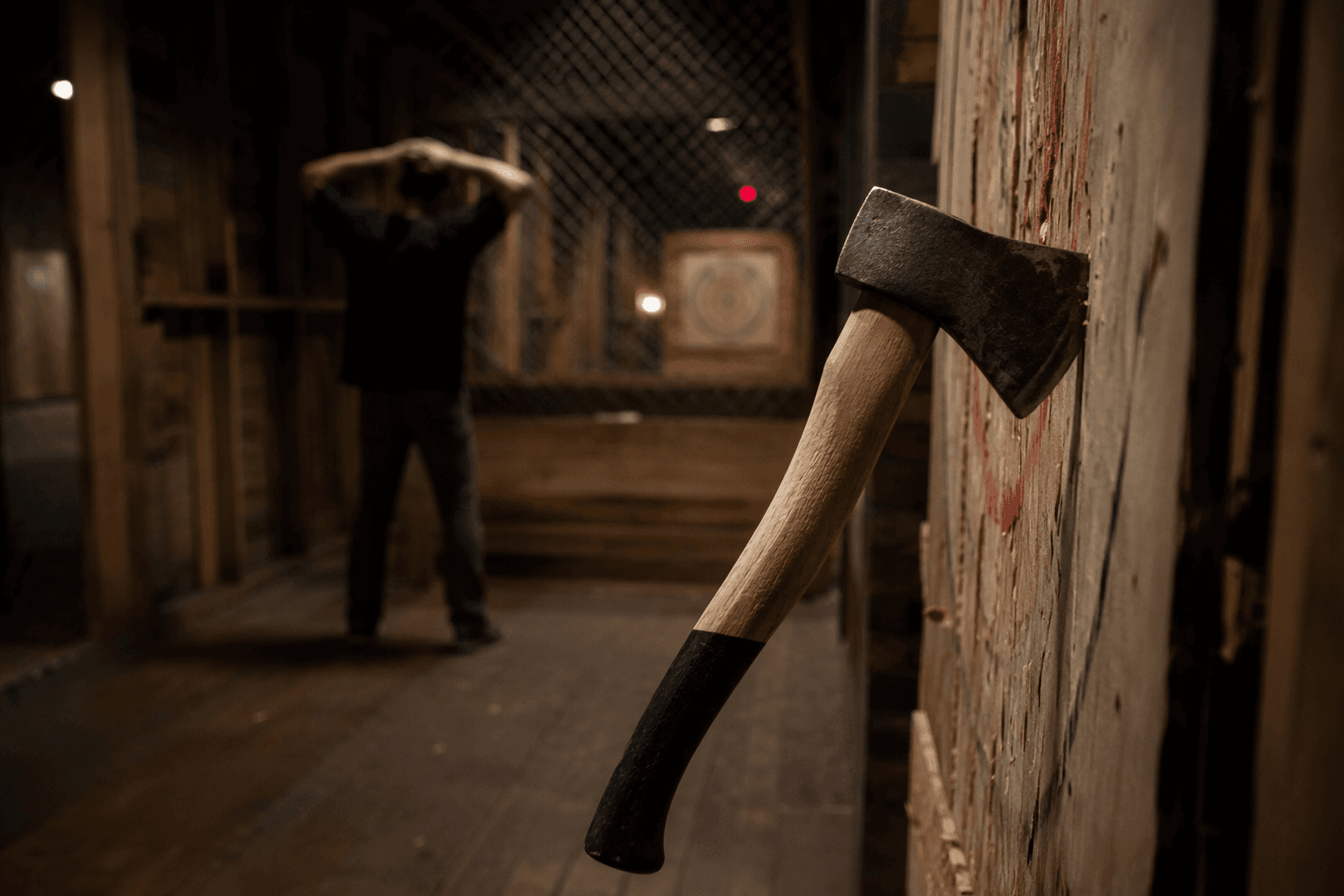
World Axe Throwing League launched its Certified Coach Program for new, existing and prospective venues, adding a formal instruction track to a sport that already has a Certified Judge Program and official rules. The move gives axe throwing a clearer answer to a basic customer question: who is trained to teach the throw, keep the lane safe, and prepare a beginner for league play?
WATL says it is the global governing body of axe throwing and lists 300-plus affiliated venues across 20 countries worldwide. That scale helps explain why coaching is no longer treated as an informal task for whoever happens to be behind the counter. In a sport built on repeatable mechanics, a certified coach is supposed to do more than watch a first-timer toss an axe and hope it lands.
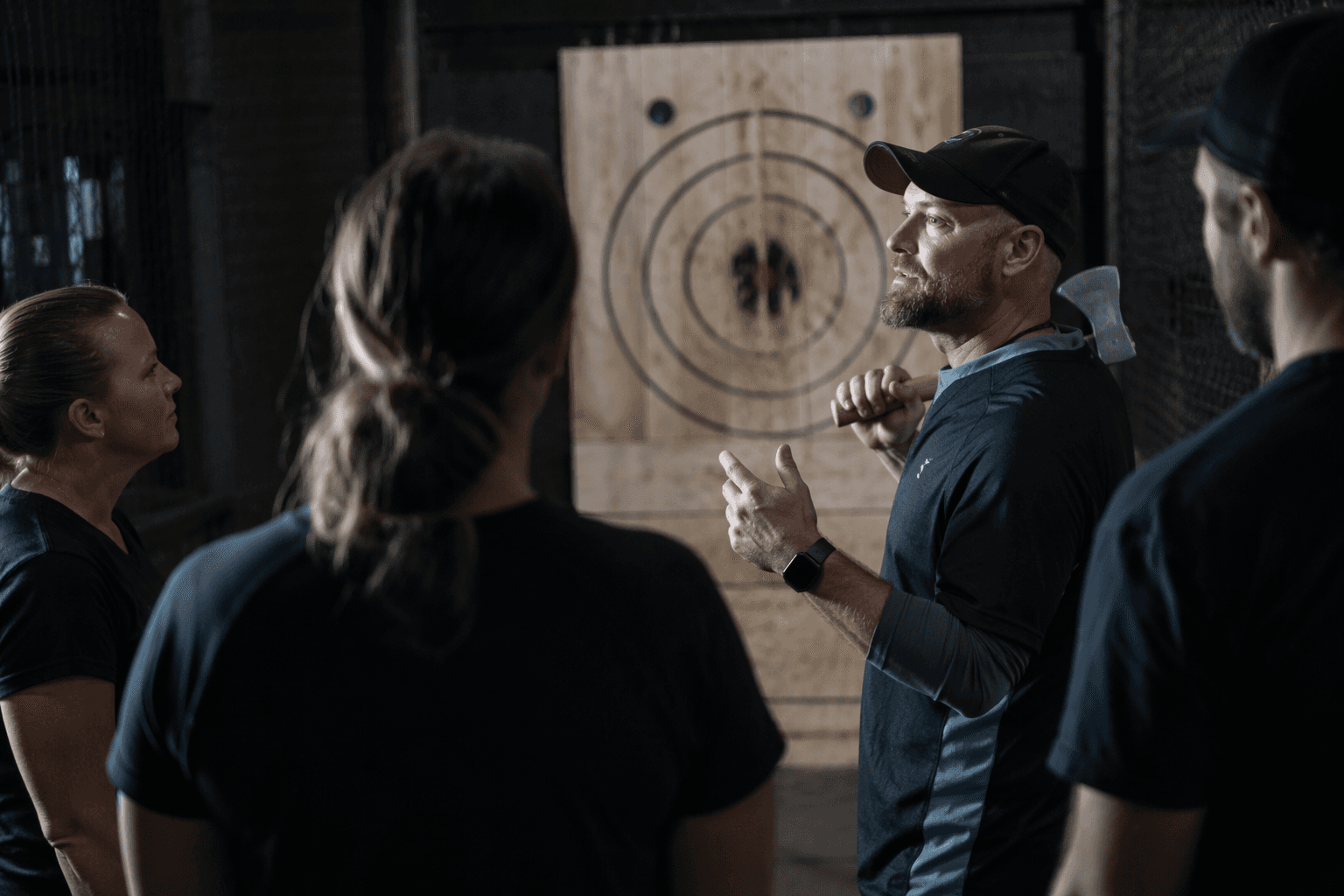
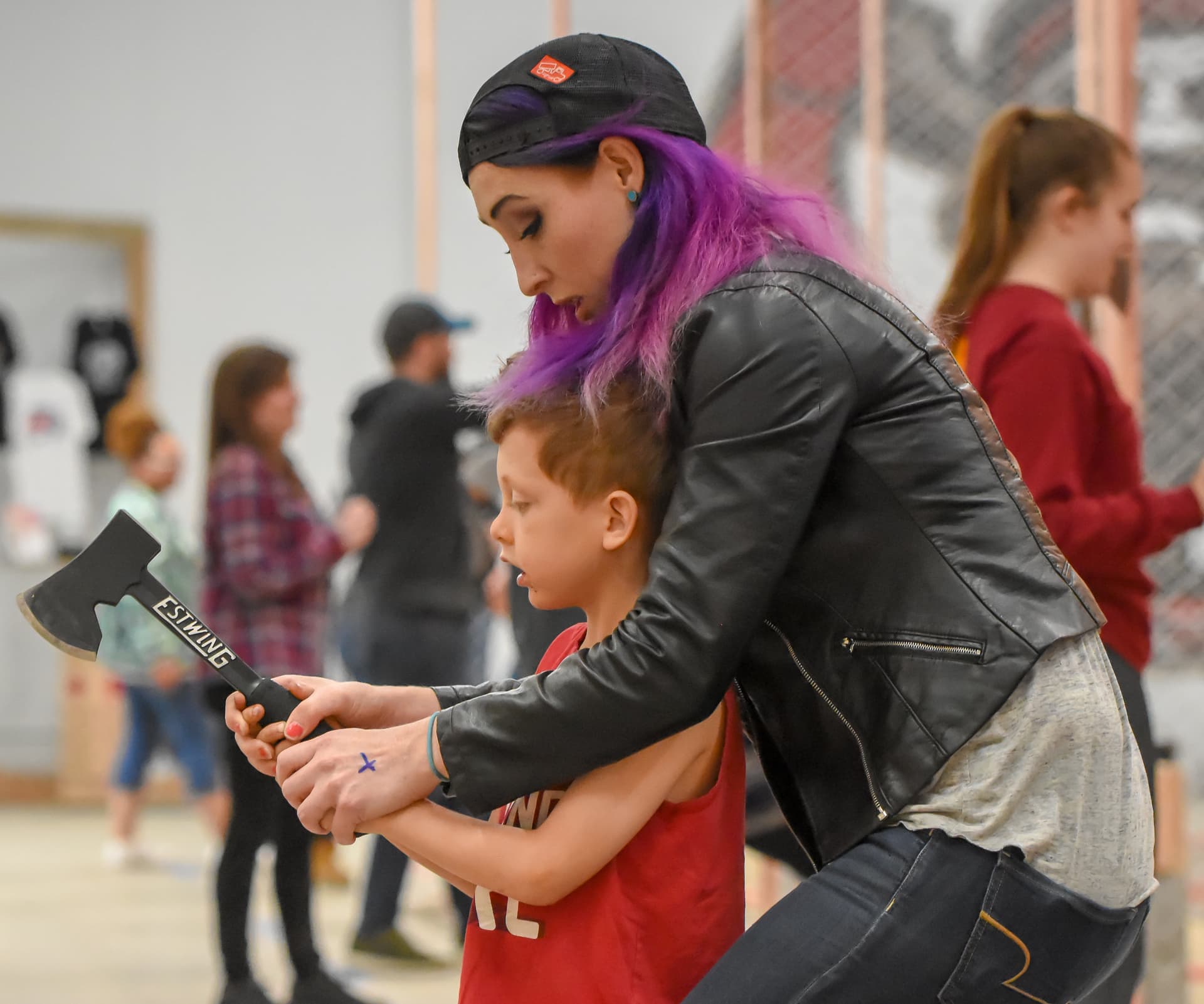
The instruction side of the sport is specific. A coach has to help new throwers with posture, grip, release and rhythm, but also with the less glamorous parts of the game: staying behind the line, understanding judge calls, recognizing what counts as a valid throw and adjusting to different lane conditions or equipment. That is the difference between a venue that can host casual walk-ins and one that can turn them into league players who understand the scoring system.
WATL framed the program in a Facebook post on Oct. 27, 2020, saying, “We’re thrilled to announce our WATL Certified Coach Program for new, existing and prospective venues. It encompasses over 5 years of experience, knowledge.” The wording matters because it places the program inside venue operations, not just in the personal development of a single coach. If certification is real, the effects should show up in cleaner onboarding, safer first sessions and more consistent lesson quality from lane to lane.
The broader structure reinforces that point. WATL already uses role-specific certification through its Certified Judge Program, and it publishes official rules on its site. Together, those pieces show a sport trying to standardize the parts that casual players usually never see until something goes wrong or a league night gets confusing.
For local throwers, the practical test is simple: a certified venue should be able to explain the rules clearly, correct form without guesswork and prepare a newcomer for league play without making the first session feel like a trial by error. In a sport that now presents itself as organized and international, that is the difference between a badge on the wall and a better night on the lane.
This article was produced by Prism’s automated news system from verified source data, official records, and press releases, then run through automated quality and moderation checks before publishing. The system is built and supervised by the people who set the standards it runs under. Read our full AI policy.
Did this article answer your question?