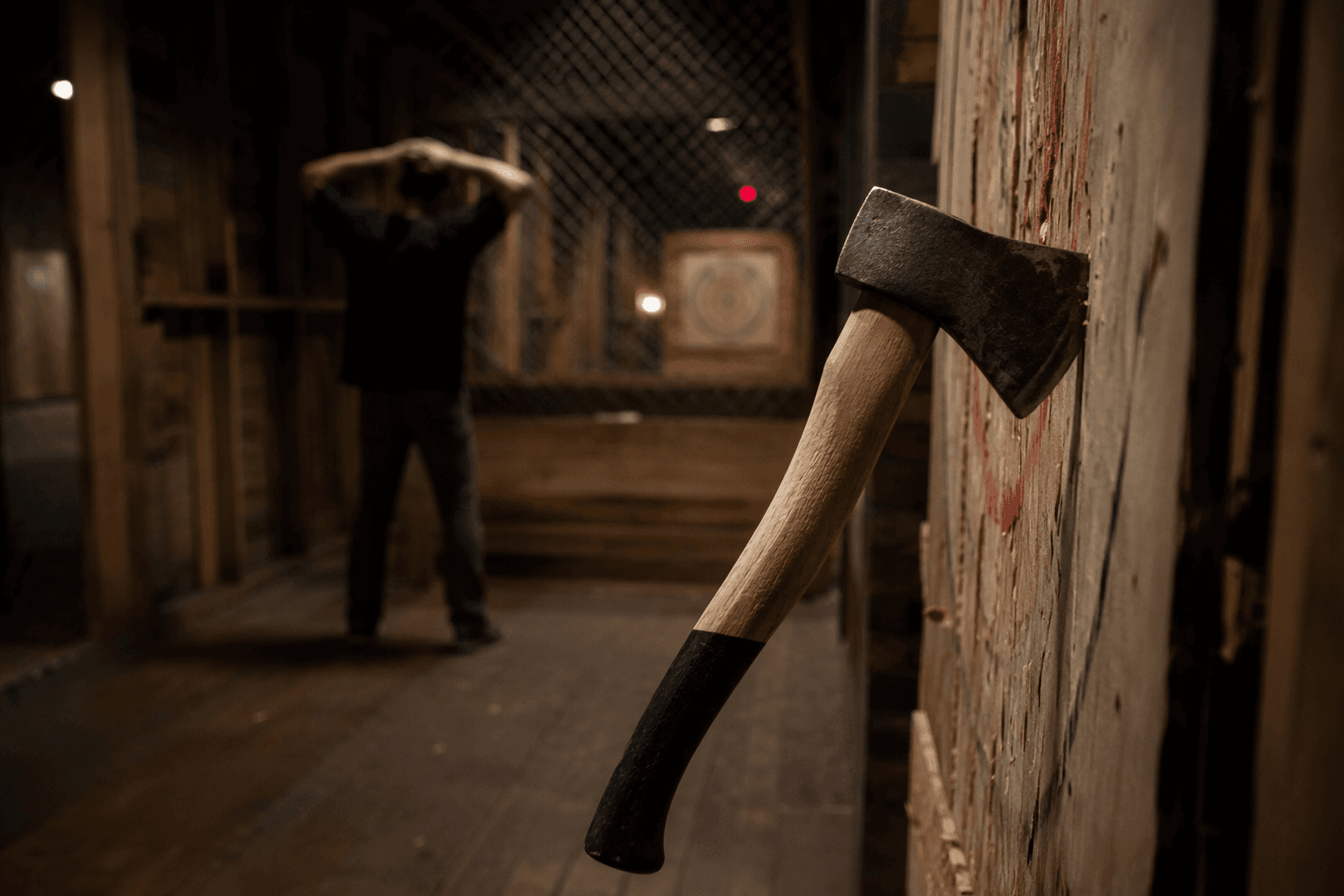
World Axe Throwing League standardizes gear as sport expands globally
Competition axes are built to stick cleanly and rotate predictably, while league specs keep hardware-store hatchets off the line. WATL’s global reach is why the details matter.
The World Axe Throwing League spans 300+ venues across 20 countries, and that reach depends on axes built to behave the same way from throw to throw. In league throwing, the head shape, balance and handle are built for consistency, because consistency is what lets an axe land and stick on command.
What makes a throwing axe different
A throwing axe is its own equipment category, not a repurposed garage tool. WATL lists 32 products in its throwing-axes store, and throwers can choose between multiple sport-specific shapes instead of settling for a one-size-fits-all hatchet.
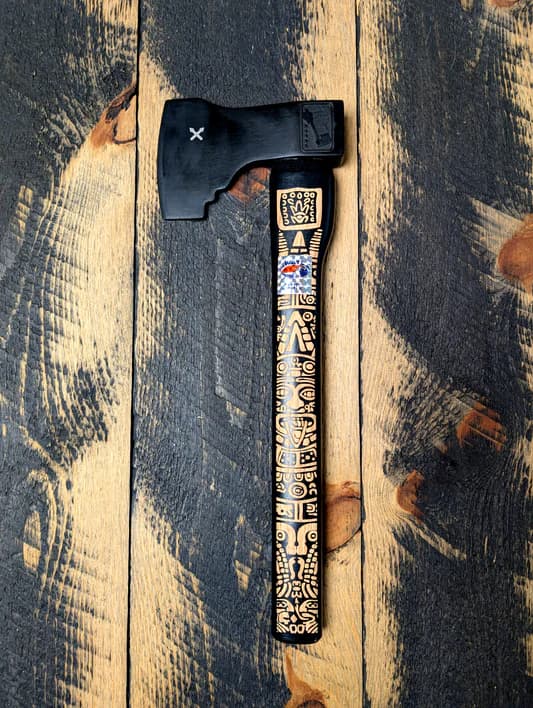
That specialization shows up in the names alone. WATL’s lineup includes models such as the Aztec Throwing Axe, The Bad Axe Throwing Axe and The Colossus Throwing Axe - Big Axe, and those labels separate standard throwing axes from big axe gear as distinct disciplines.
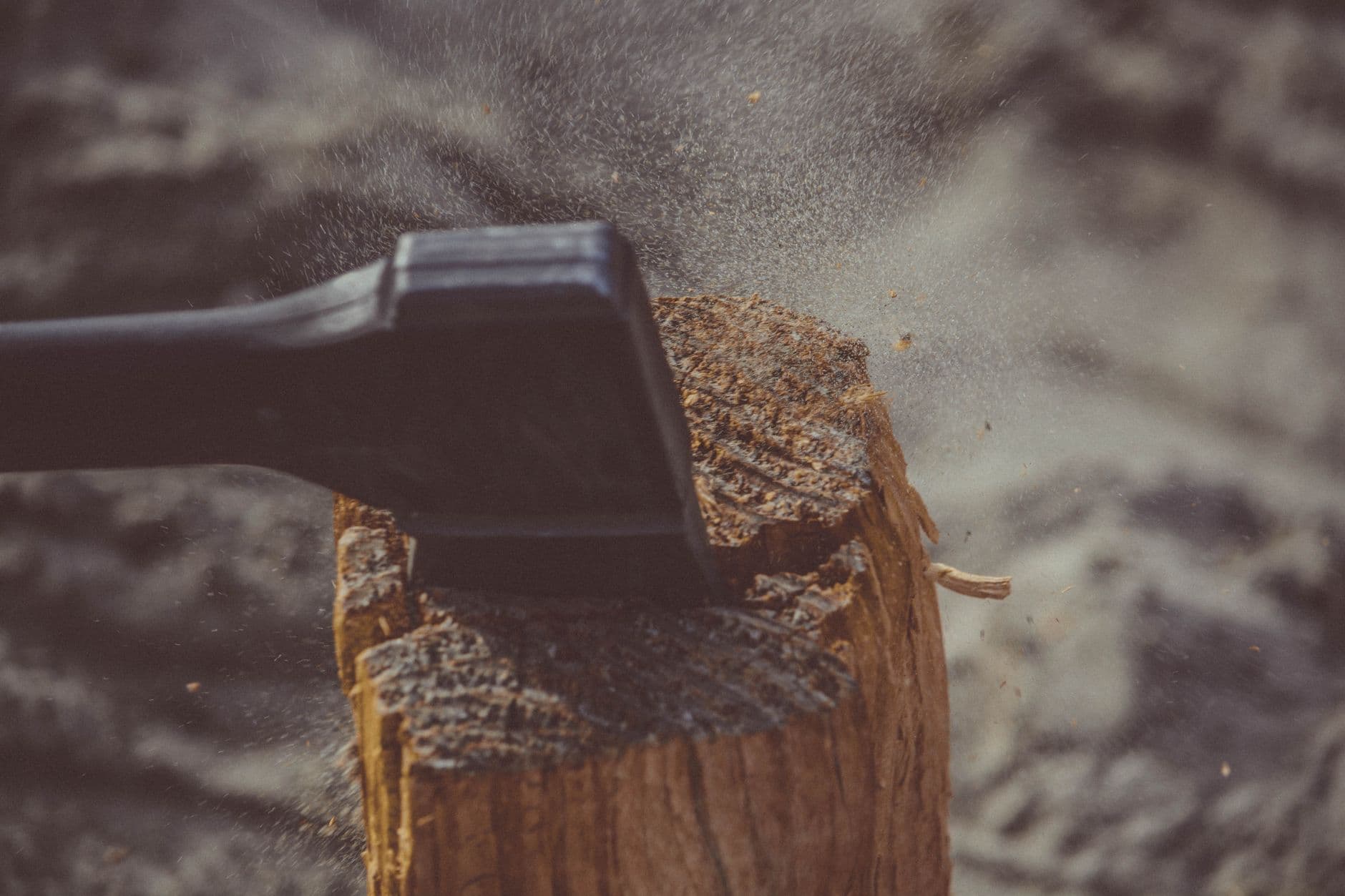
A hardware-store hatchet usually starts from a different design job. It is meant to cut, split or survive rough use, which is why many of them carry a wedge shape that fights the clean rotation throwers want. A league axe is engineered around the target board, the rotation path and the need to land the blade in a repeatable way.
The design features that matter most
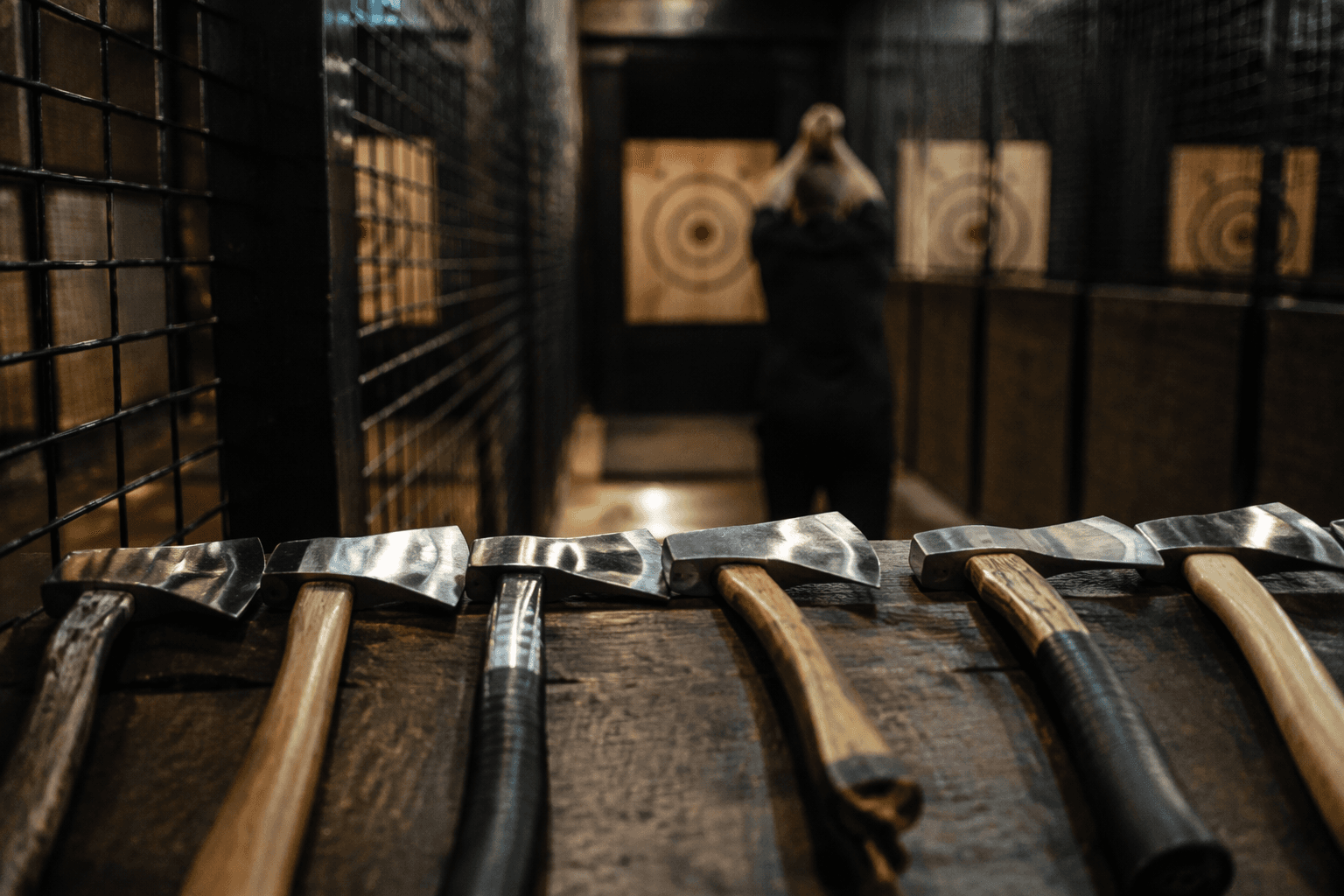
The most important feature in a competition axe is predictability. A purpose-built throwing axe needs to rotate the same way every time, and that starts with a blade profile and balance that do not force the thrower to make constant adjustments. If the head is awkward or the bite point changes from throw to throw, the thrower is battling the tool instead of the target.
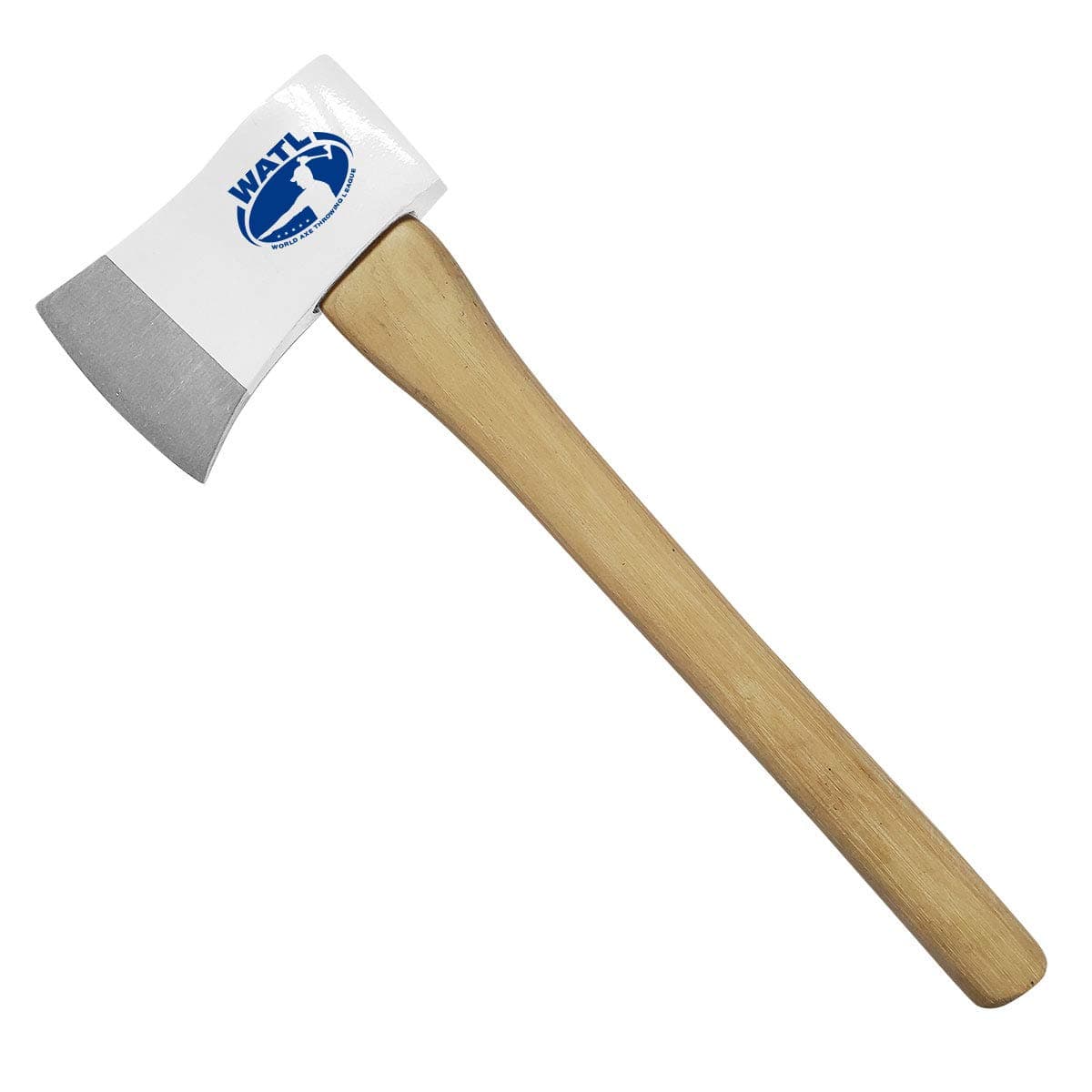
Hatchet Hangout’s WATL Competition Thrower description reads: “Our throwing axe lineup has been designed specifically with throwing in mind. We’ve done away with the wedge shape of hardware store axes to create an ultra-thin profiled blade developed specifically to stick in the target.” The blade is slimmer, the shape is more deliberate and the tool is built to stick, not split.
The International Axe Throwing Federation’s standard axe, or hatchet, specifications call for a wooden handle. Its big axe specifications require a single-bit blade, a total weight between 2.75 and 3.75 pounds, and a wooden handle at least 25 inches long.
Standard axe and big axe are not the same game
The standard axe and the big axe may sound like simple size differences, but competitive throwing treats them as separate categories. WATL’s product lineup makes that distinction visible, and the IATF’s big axe specs make it official by spelling out weight, blade type and handle length. A big axe is a formal class with its own build rules.
Weight changes the throw. A 2.75- to 3.75-pound axe with a wooden handle at least 25 inches long behaves differently than a shorter standard hatchet, and the thrower has to match stance, release and distance to the tool.
For a new thrower, the key question is simple: does the tool match the lane and the league format? If it is a standard axe division, study the hatchet spec. If it is big axe, the longer handle and added weight are part of the assignment.
Why standardization matters in a global sport
A thrower in one city needs to trust that the gear will feel close to what is used elsewhere. Standardized axes make league nights, tournaments and training sessions more portable.
That also helps venues. A league operator can stock competition-oriented axes instead of improvising with whatever is lying around in a tool shed. The result is less guesswork for the thrower and fewer variables on the wall.
Forged Axe Throwing places the Canadian commercial era in 2006 in Toronto, Ontario, when Matt Wilson and friends started throwing axes in a backyard.
What a smart buyer or borrower should look for
If you are picking up gear for league play, the checklist is practical rather than flashy. The axe should be built for throwing, not chopping. It should have a blade profile that sticks cleanly, a handle that fits the format and enough consistency that you can repeat the same release without fighting the tool.
- Look for a throwing-specific blade shape, not a wedge meant for splitting wood.
- Match the tool to the discipline, standard axe or big axe.
- Check the handle material, since IATF standard and big axe specs call for wood.
- In big axe play, confirm the weight falls between 2.75 and 3.75 pounds and the handle is at least 25 inches long.
- Use a league-built or league-friendly axe when possible so training gear behaves like competition gear.
WATL’s official rules include 2024 gameplay rules.
This article was produced by Prism’s automated news system from verified source data, official records, and press releases, then run through automated quality and moderation checks before publishing. The system is built and supervised by the people who set the standards it runs under. Read our full AI policy.
Did this article answer your question?